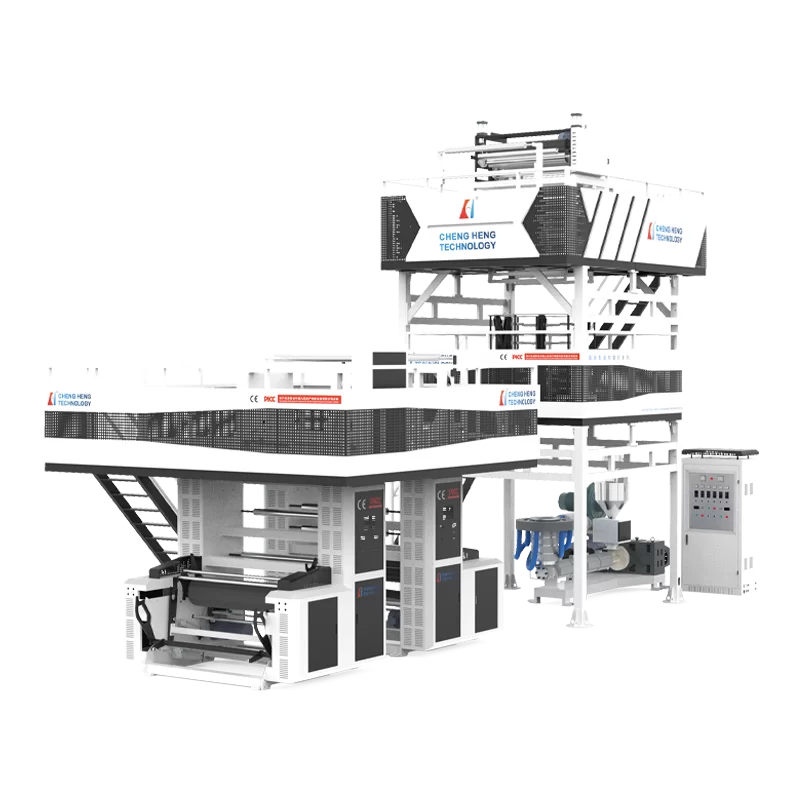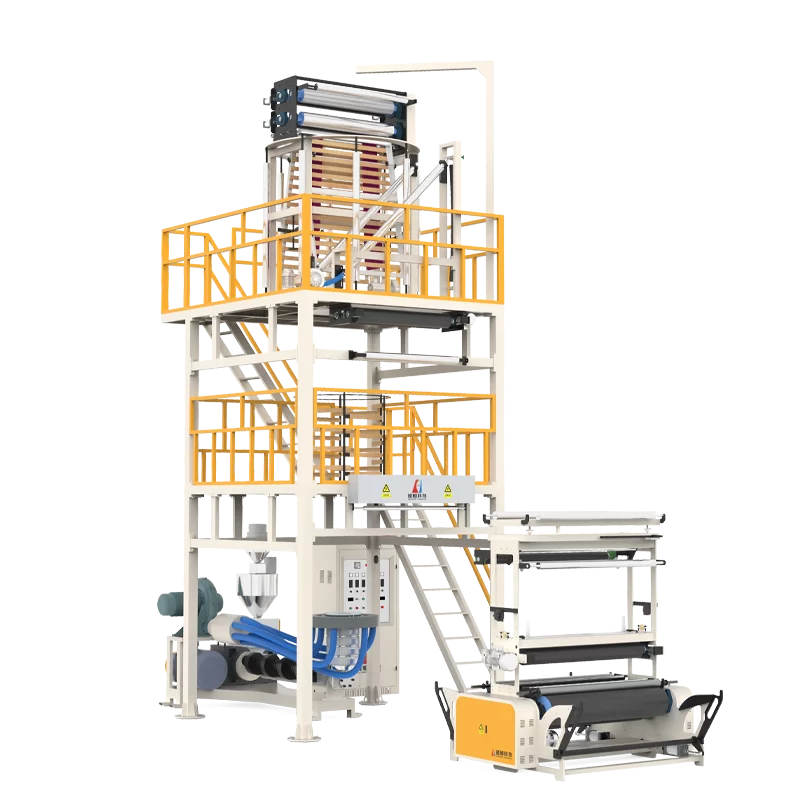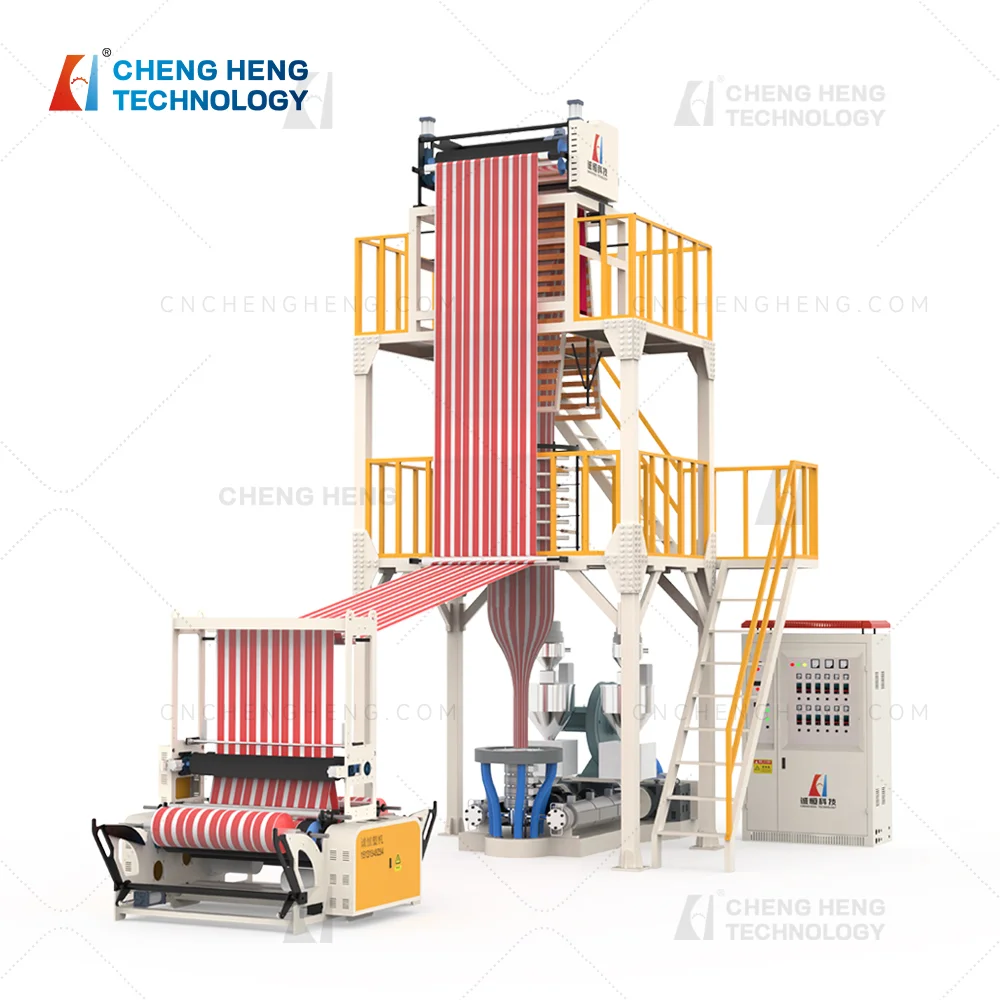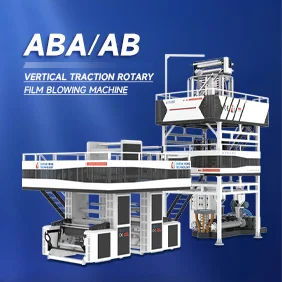
Film blowing is a widely used process in the plastics industry for producing thin plastic films, commonly used for packaging, agricultural, and industrial applications. The process begins with melting polymer resin, such as polyethylene (PE), inside an extruder. The molten polymer is then forced through an annular die to form a tubular film. Air is introduced through the die to inflate the tube, expanding it into a bubble. This bubble is continuously cooled and drawn upward, controlling its thickness and mechanical properties.
A key component in this process is the film blowing machine, which includes the extruder, die, air ring, cooling system, and haul-off unit. Proper control of temperature, air pressure, and haul-off speed ensures consistent film quality. The blown film machine allows precise control over film width, thickness, and orientation, resulting in films with improved tensile strength, clarity, and barrier properties.
Film blowing offers several advantages compared to other film production methods, such as cast film extrusion. It allows biaxial orientation of molecules in the film, enhancing mechanical properties and elasticity. Moreover, it is highly adaptable, supporting multilayer film production, including barrier and functional films. Common applications include shopping bags, shrink wraps, mulch films, and industrial liners.
In short, film blowing is a versatile and efficient technique that relies on the coordinated operation of a film blowing machine or blown film machine to transform molten polymer into high-quality, flexible films for diverse industries. Proper understanding of the process ensures optimal film performance and production efficiency.
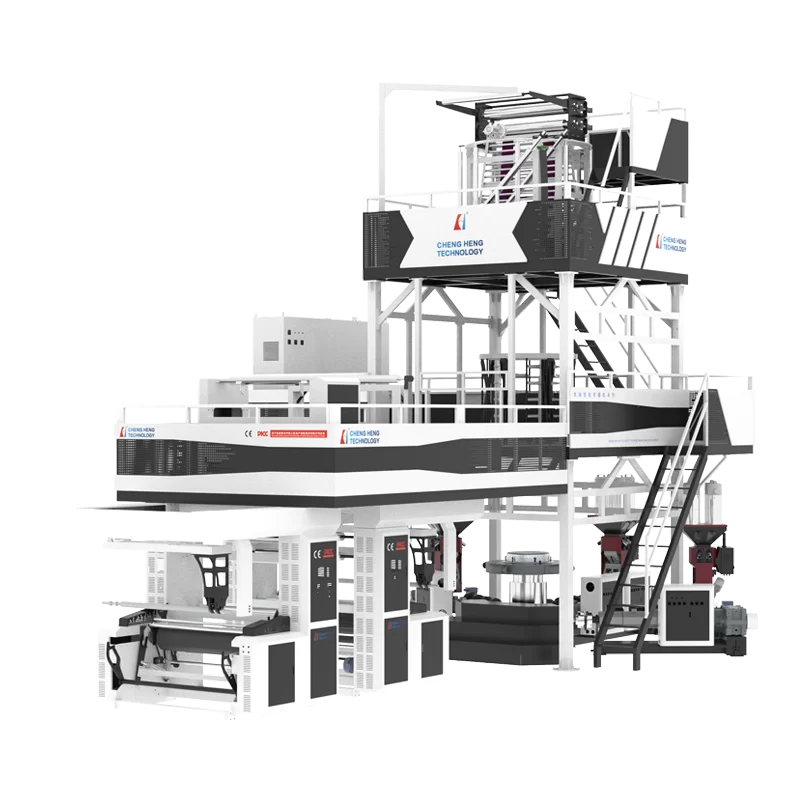
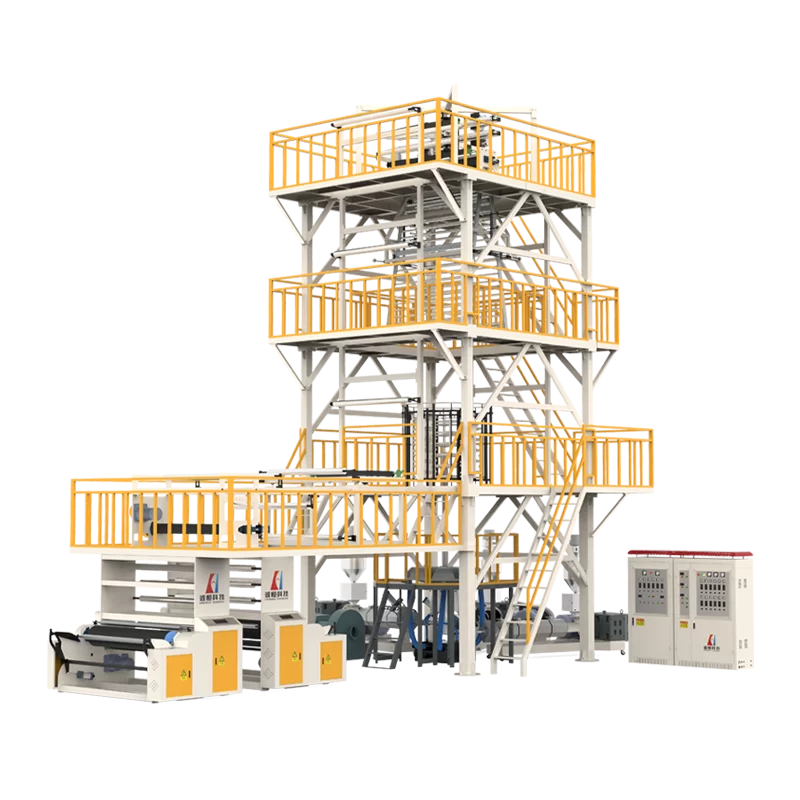
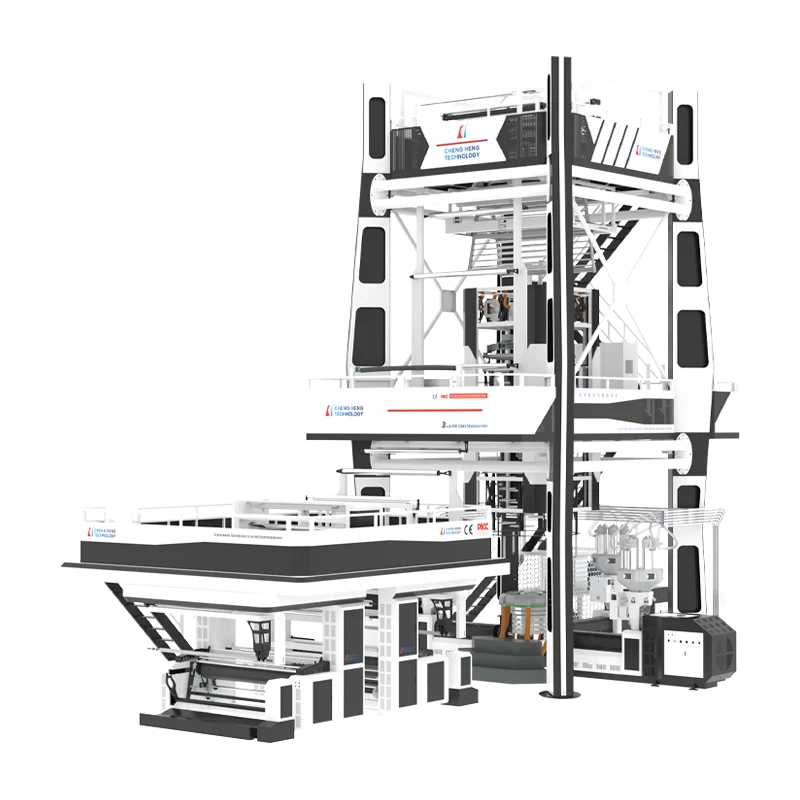
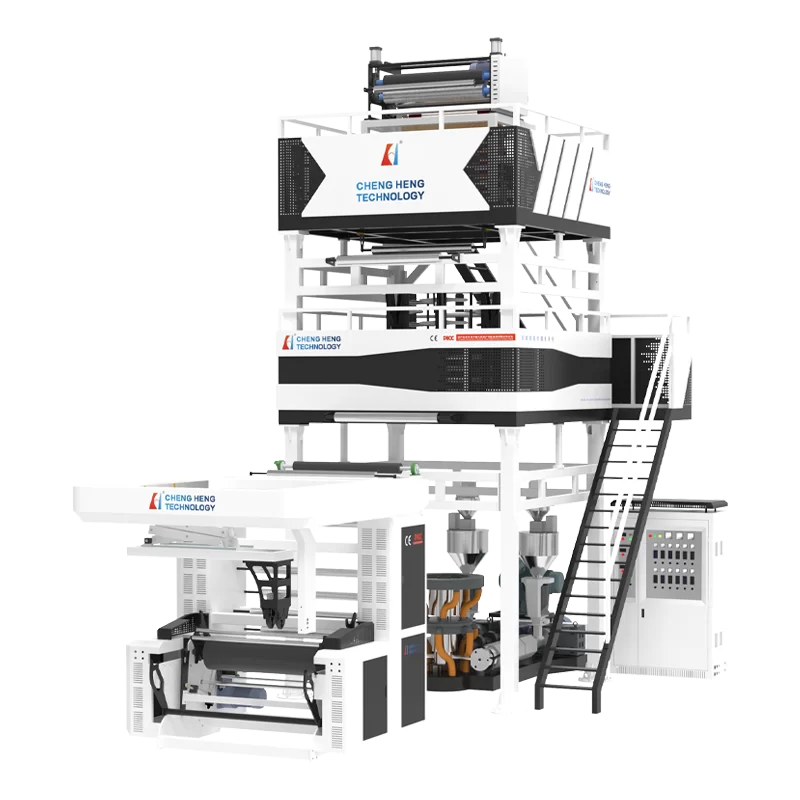
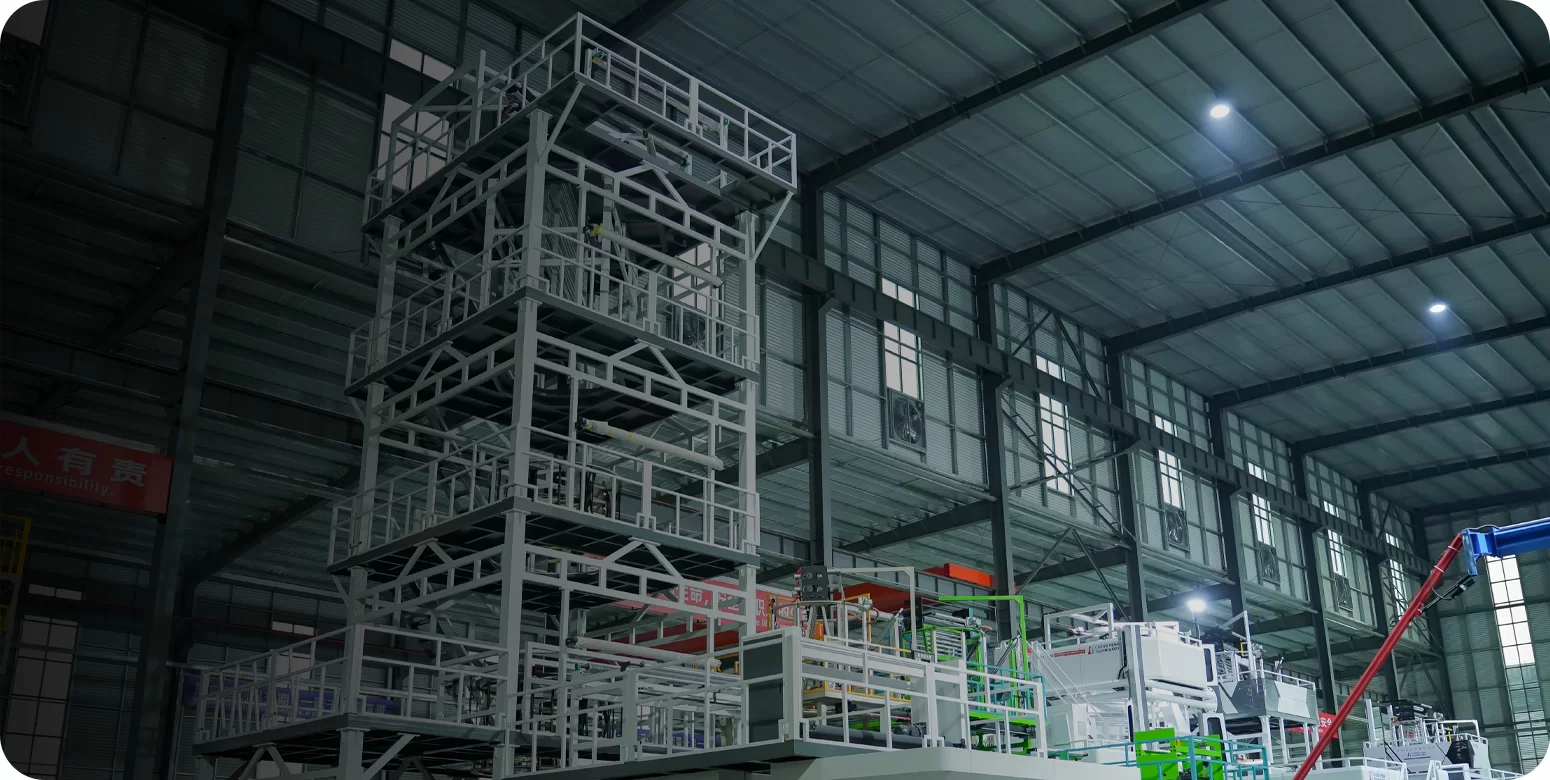
ABC Three-Layer Multifunctional Intelligent Film Blowing Machine
-
 CE Certification
 -
 SGS Certification
 -
 ISO Certification
How To Solve Blown Film Problems
Blown film production can encounter a variety of challenges, including uneven thickness, film breaks, haze, or bubble instability. Identifying the root cause is essential, and the blown film machine and film blowing machine must be carefully monitored and adjusted.
One common problem is gauge variation, where the film thickness is inconsistent. This can result from uneven cooling, improper bubble inflation, or fluctuations in the extruder screw speed. Adjusting the air ring cooling, stabilizing extrusion rate, and optimizing haul-off speed can resolve this. Another issue is bubble instability or fluttering, often caused by improper air pressure, die gap inconsistencies, or ambient airflow interference. Stabilizing air pressure and ensuring uniform die temperature can minimize bubble movement.
Haze or poor transparency in the film may be due to polymer contamination, improper melting, or insufficient cooling. Cleaning the extruder and die, maintaining optimal melt temperature, and adjusting the cooling system can improve clarity. Additionally, film breaks or tears often occur if the bubble is stretched too quickly or the resin grade is unsuitable. Selecting proper polymer grade and controlling bubble draw ratio can prevent this.
Regular maintenance of the blown film machine, including lubrication, cleaning, and calibration, is essential for consistent performance. Operator training is equally important to quickly recognize issues and implement corrective actions. Using diagnostic tools, such as bubble diameter sensors and infrared temperature monitoring, can enhance problem-solving efficiency.
In conclusion, solving blown film problems requires a combination of proper equipment management, process parameter optimization, and skilled operation of the film blowing machine or blown film machine to ensure high-quality film output.
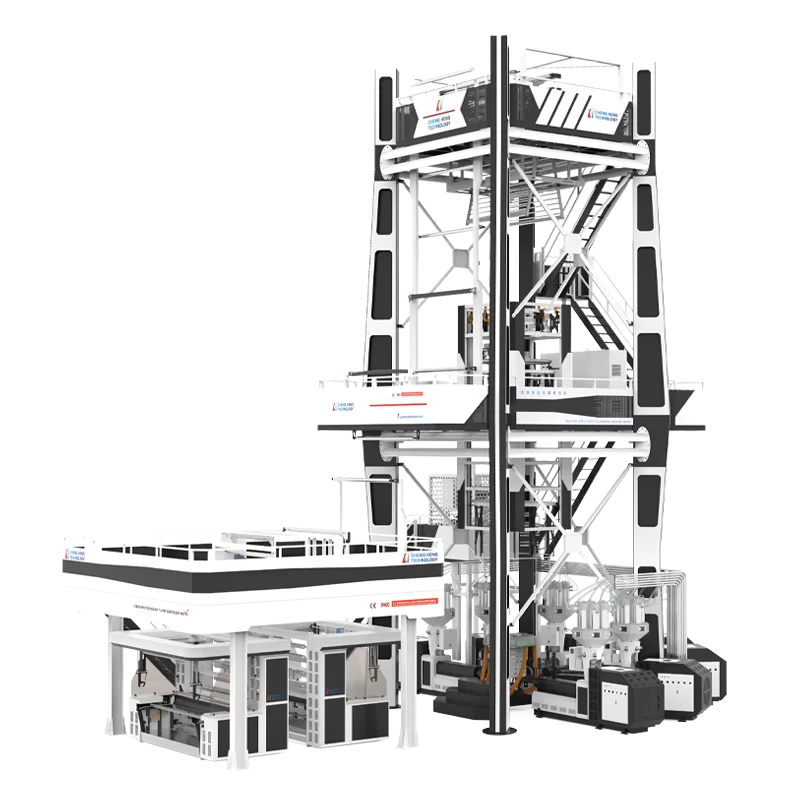
3 Layer Blown Film Extrusion Process
The 3-layer blown film extrusion process is an advanced technique that allows manufacturers to produce multilayer films with enhanced functionality. In this process, three polymer melts—typically different grades or materials—are co-extruded through a special annular die to form a single composite bubble. This is performed using a blown film machine equipped for multilayer extrusion.
Each layer serves a distinct purpose. The outer layer provides mechanical strength, surface properties, and printability. The middle layer often acts as a barrier against gases, moisture, or aromas, depending on the polymer used. The inner layer ensures sealability, chemical resistance, and smooth contact with packaged products. Proper layer distribution and thickness control are critical to achieving consistent film performance.
During the process, the film blowing machine inflates the tubular bubble, allowing the layers to adhere uniformly while maintaining the desired thickness ratio. Air cooling, bubble stabilization, and precise haul-off control ensure the multilayer film maintains dimensional stability. The 3-layer approach also allows combining recycled materials in the middle layer while maintaining quality outer layers, improving cost efficiency and sustainability.
Applications of 3-layer blown film include food packaging, industrial liners, and shrink films. The blown film machine enables production at high speeds while ensuring uniformity across layers, critical for barrier performance and sealing properties.
In summary, the 3-layer blown film extrusion process leverages a specialized film blowing machine to produce composite films with tailored functional properties, offering superior performance compared to single-layer films.
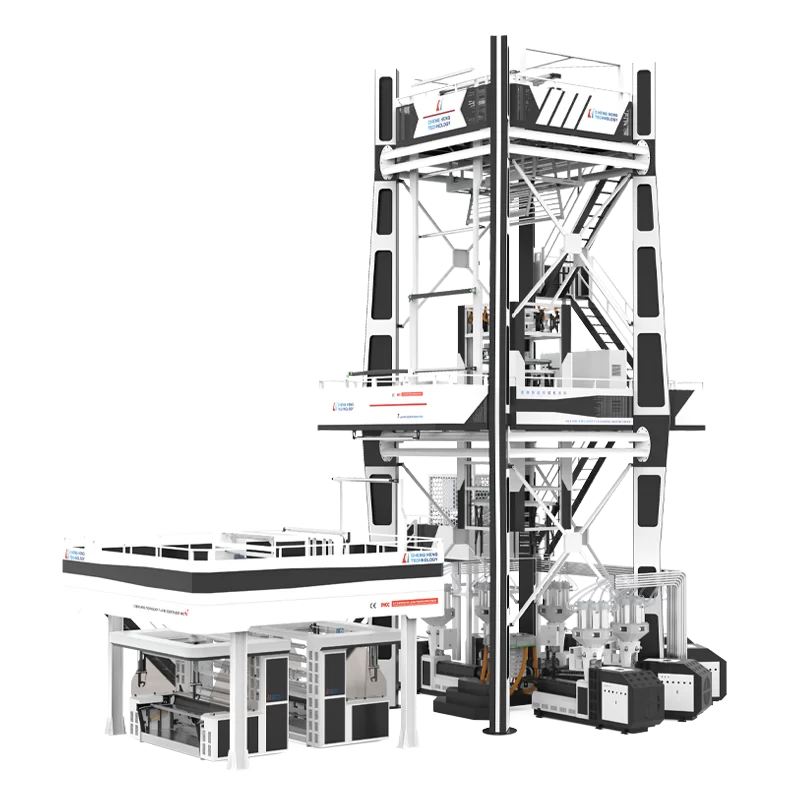
Blown Film Manufacturing Process
The blown film manufacturing process is a continuous extrusion technique for producing thin plastic films used in packaging, agriculture, and industrial applications. The process begins by feeding polymer granules into an extruder, where they are melted and homogenized. The molten polymer is then forced through an annular die to form a continuous tubular film, which is inflated into a bubble by the film blowing machine.
A blown film machine consists of an extruder, die, cooling system (air ring), bubble stabilization mechanism, haul-off rollers, and winder. As the bubble rises, air pressure expands it to the desired diameter, while the cooling system solidifies the polymer. Operators can adjust the blow-up ratio and haul-off speed to control film thickness, width, and orientation.
Quality control is critical in the blown film manufacturing process. Common parameters include melt temperature, air ring cooling, bubble stability, and die gap uniformity. Advanced blown film machines include layer multiplication systems for co-extrusion, enabling multilayer films for barrier, strength, or functional purposes.
The process offers advantages such as biaxial orientation, improved tensile strength, and adaptability for multilayer constructions. The films can be used for shopping bags, shrink wraps, agricultural films, and industrial liners. Operators must carefully manage parameters to prevent issues like bubble instability, gauge variations, or film haze.
Overall, the blown film manufacturing process relies on precise operation of a film blowing machine or blown film machine to transform molten polymer into uniform, high-performance films suitable for a wide range of applications.