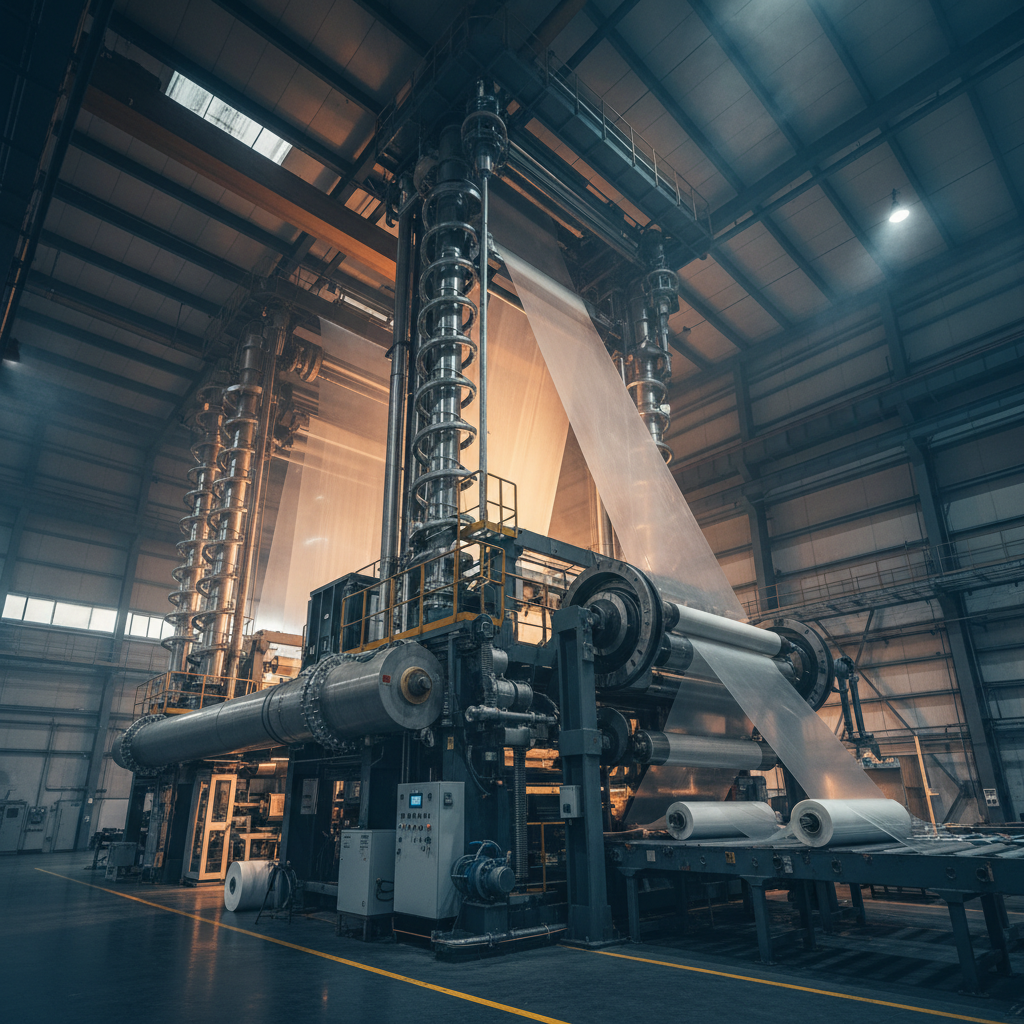
The global packaging industry relies heavily on flexible packaging solutions, and the blown film machine is central to this process. These machines extrude plastic into a thin tube, which is then inflated into a bubble and flattened into film, used for a vast array of products from food packaging to industrial liners. Understanding blown film technology is crucial for optimizing production processes, reducing material waste, and innovating in the ever-evolving packaging landscape.
The demand for blown film is consistently increasing, driven by factors like population growth, urbanization, and the expanding e-commerce sector. This growth presents both opportunities and challenges – the need for more efficient, sustainable, and cost-effective blown film machine technologies is paramount. Addressing these challenges requires continuous advancements in machine design, materials science, and process control.
The blown film machine plays a vital role in supporting numerous industries, contributing significantly to supply chain efficiency and product protection. From ensuring food safety to enabling the secure transport of goods, its impact is far-reaching and essential to modern commerce.
The Significance of Blown Film Machine Technology
The blown film machine isn’t merely a piece of manufacturing equipment; it’s a cornerstone of the modern packaging industry. Its influence extends far beyond simply creating plastic film. It's a driver of innovation, cost reduction, and sustainable practices within the broader supply chain. The efficiency of this technology directly impacts product shelf life, transportation costs, and overall consumer experience.
Investing in advanced blown film machine technology allows companies to respond quickly to changing market demands. The ability to produce diverse film types – varying in thickness, width, and material composition – provides a competitive edge and enables customized packaging solutions tailored to specific product needs.
Defining the Blown Film Machine
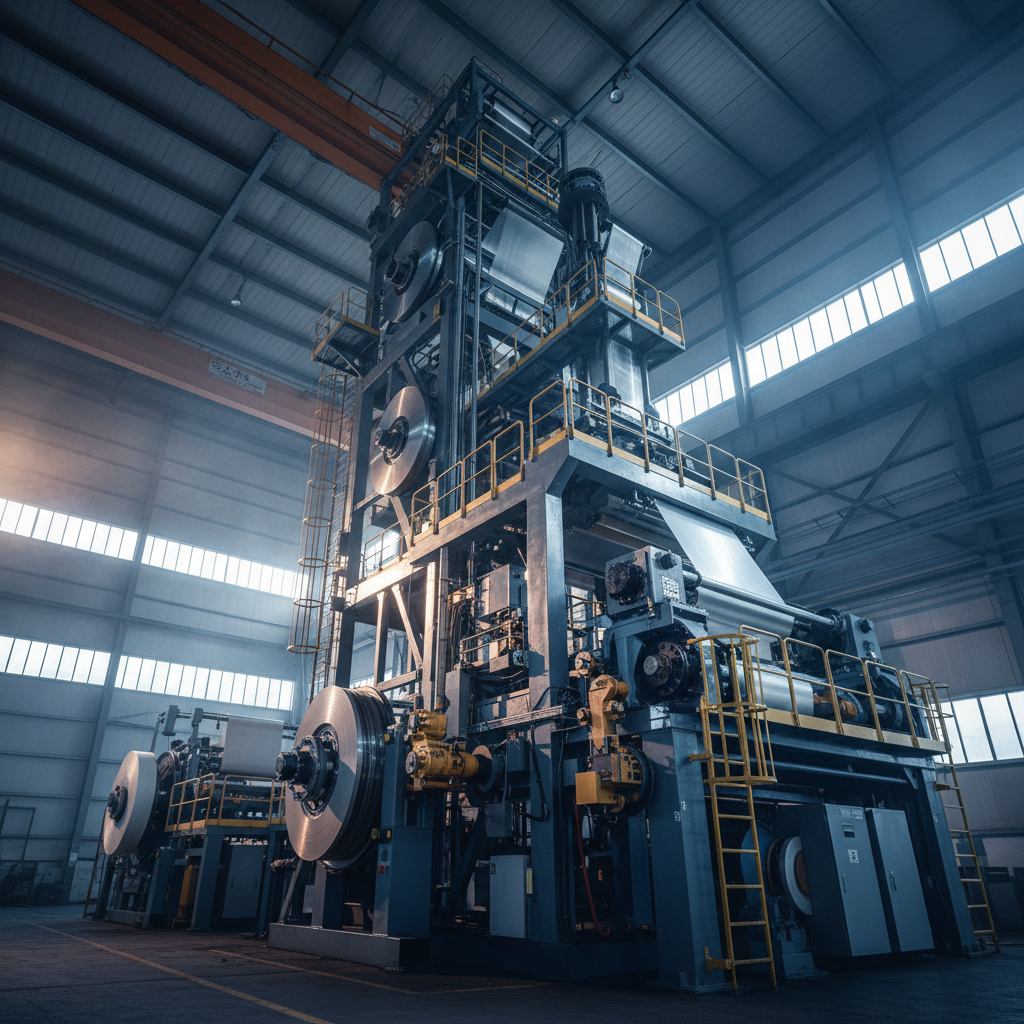
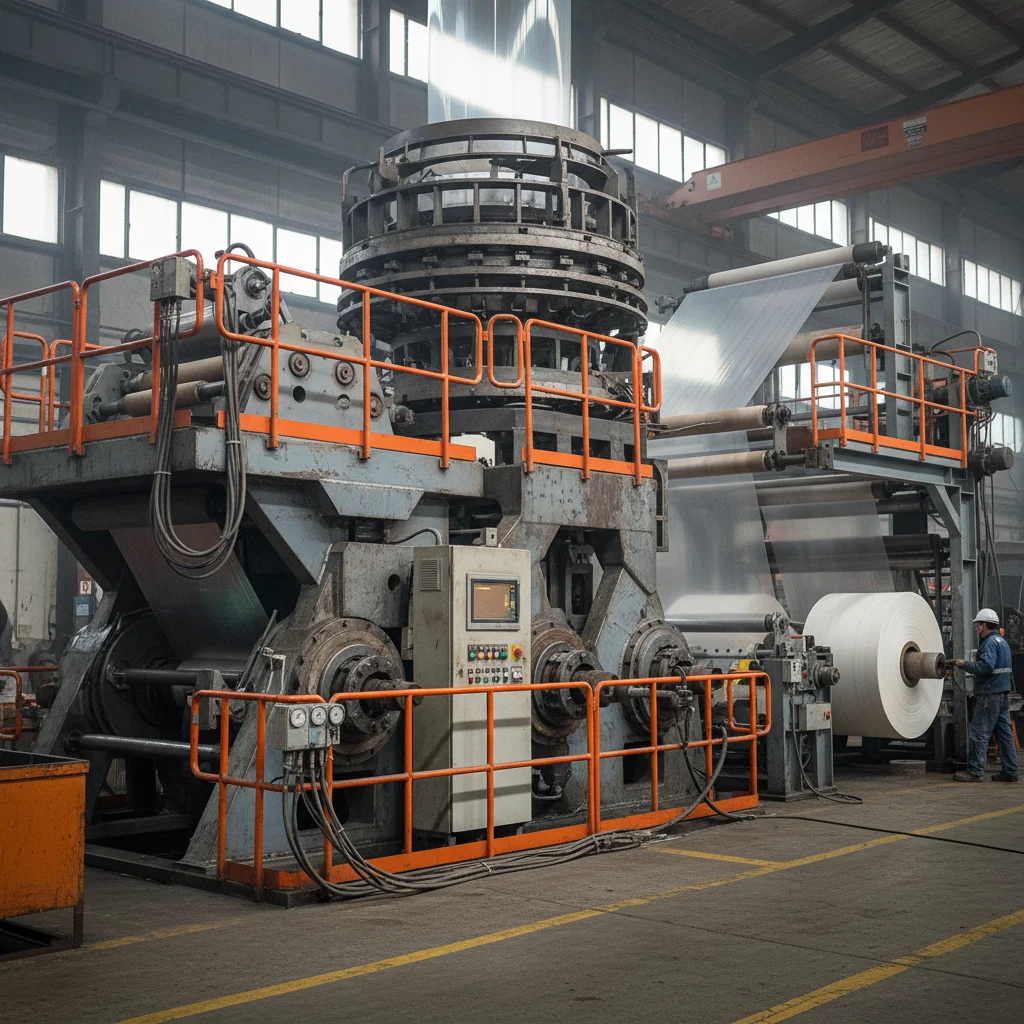
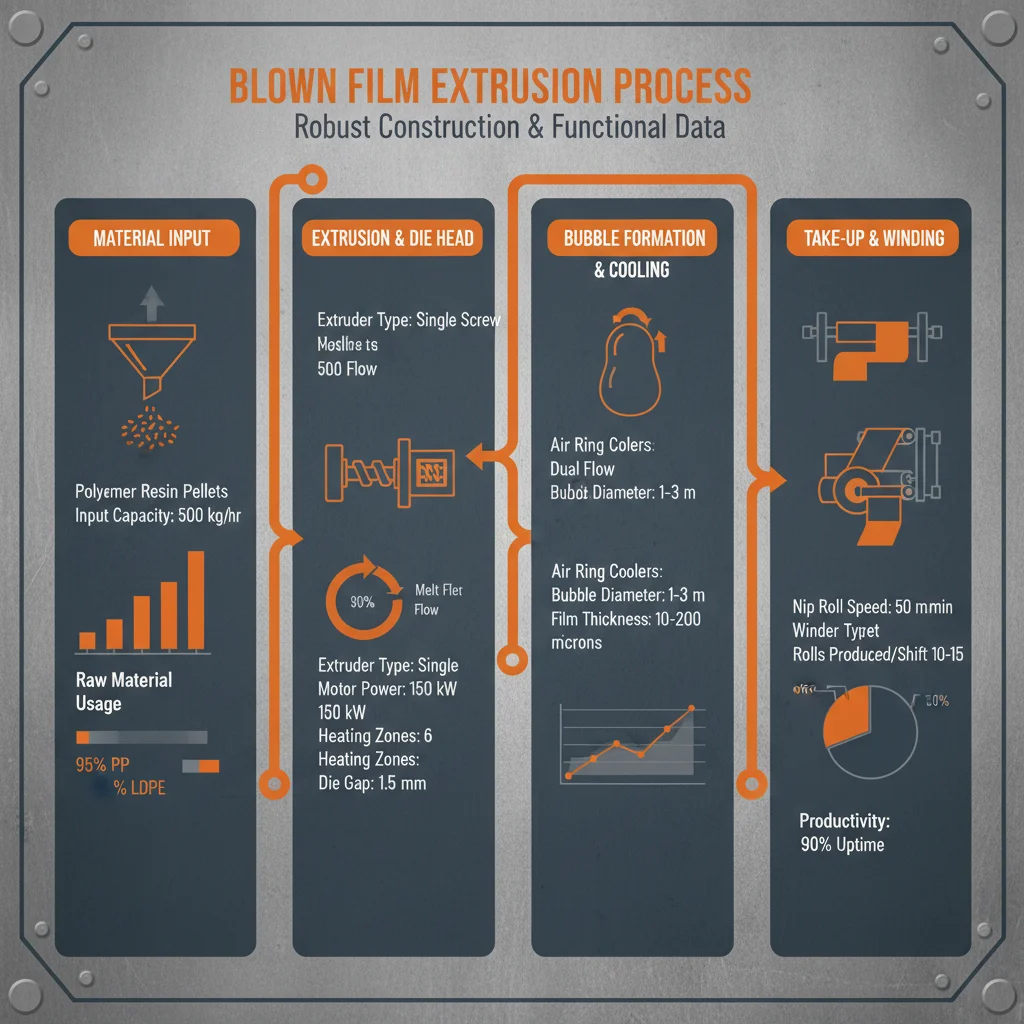
A blown film machine is a specialized extrusion machine used to create plastic film tubes. The process begins with melting plastic resin, which is then forced through a circular die. This extruded plastic is inflated with air, creating a bubble. As the bubble rises, it’s cooled and collapsed, then flattened by rollers, resulting in a continuous sheet of plastic film. This film can then be slit and wound onto rolls for further processing.
The connection to modern industry is undeniable. Virtually every product we consume is, at some point, packaged in film produced by a blown film machine. From protecting perishable food items to ensuring the safe delivery of electronic components, the reliability and versatility of this technology are vital.
Beyond commercial applications, the principles behind blown film machine technology extend to humanitarian needs, specifically in the creation of durable shelter materials and protective coverings for emergency relief efforts.
Core Components and Operational Factors
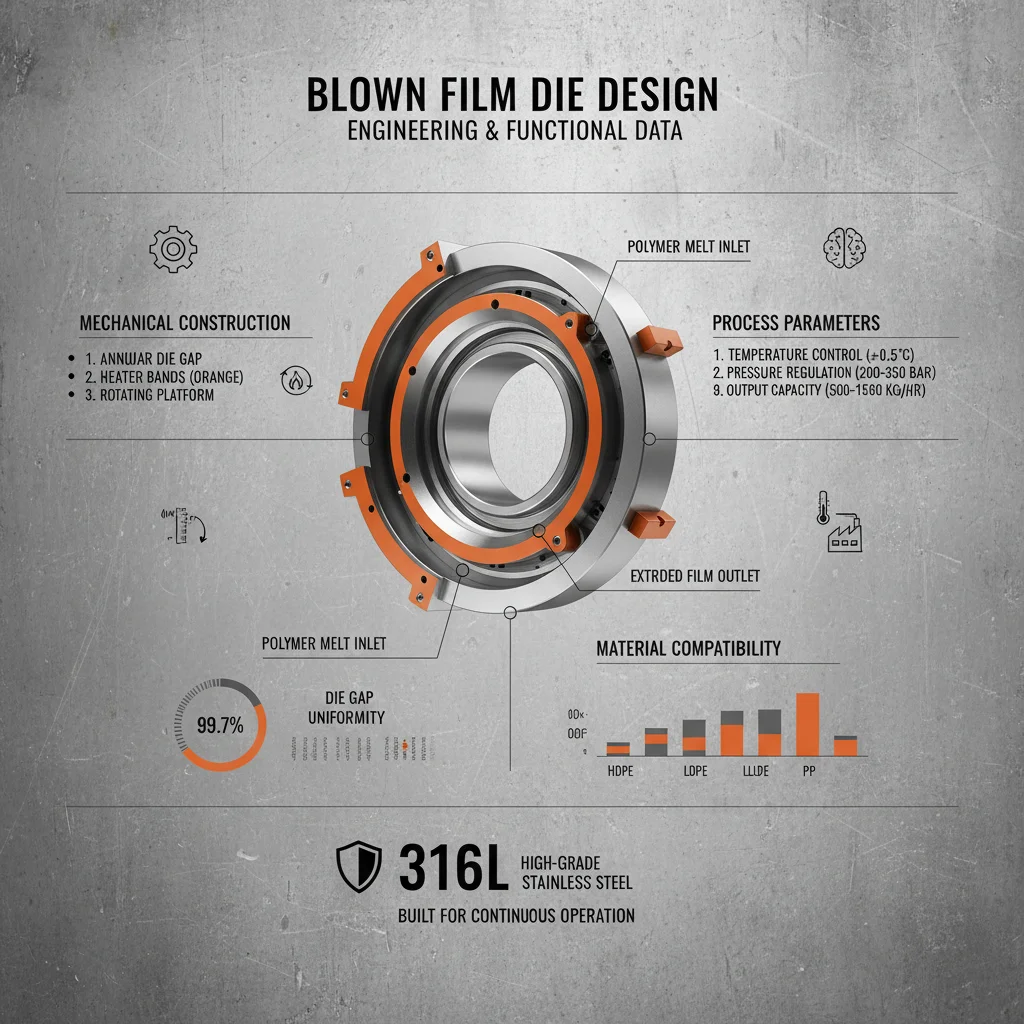
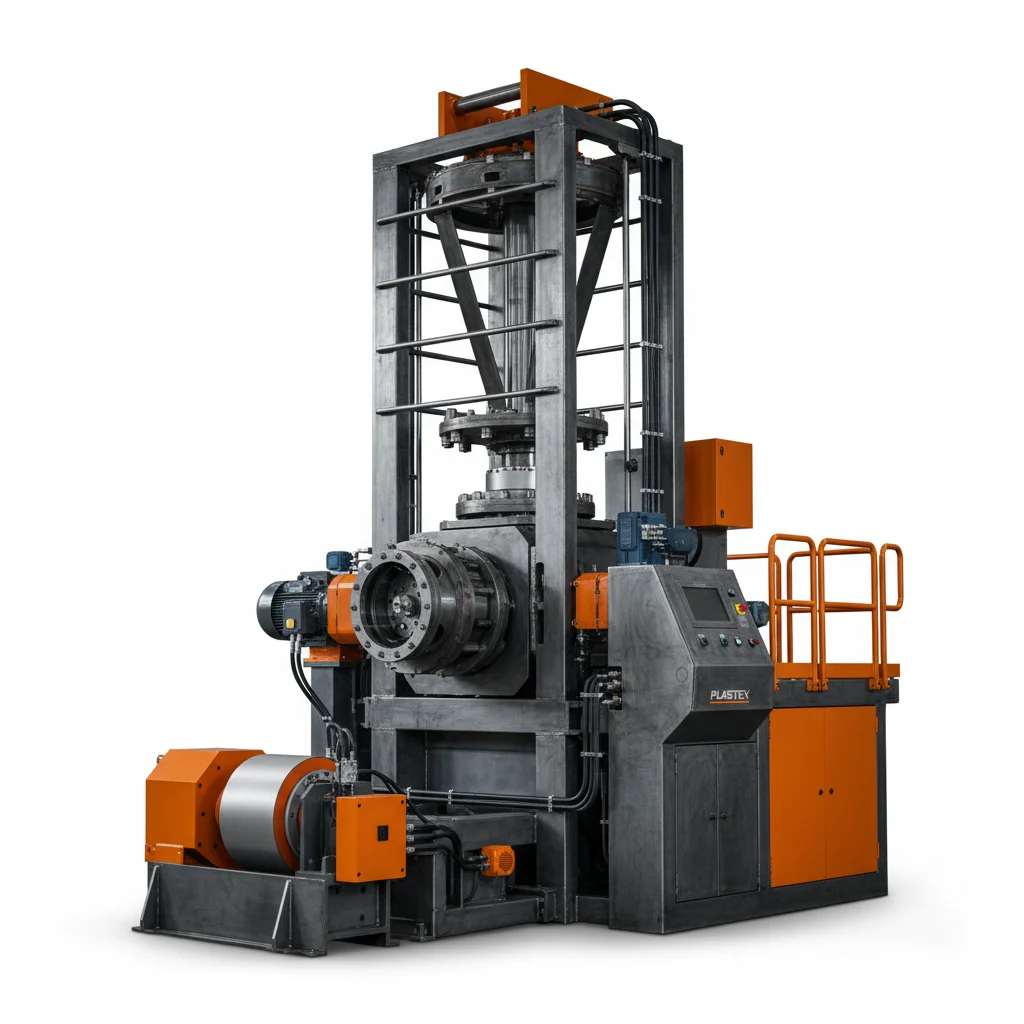
Several core components contribute to the functionality of a blown film machine. These include the extruder, the die, the air ring, the nip rollers, and the control system. The extruder melts and delivers the plastic resin. The die shapes the molten plastic into a circular tube. The air ring cools the bubble, and the nip rollers flatten it. The control system manages the entire process, ensuring consistent film quality.
Operational factors such as die gap, blow-up ratio, haul-off speed, and temperature control are crucial for achieving desired film properties. The die gap dictates the film thickness, while the blow-up ratio determines the film width. Haul-off speed controls film tension, and precise temperature control ensures uniform cooling and prevents defects. Optimizing these parameters requires skilled operators and sophisticated control systems.
The material used in the blown film machine is also a significant factor. Polyethylene (PE), polypropylene (PP), and polyethylene terephthalate (PET) are commonly used, each possessing unique properties that influence film strength, clarity, and barrier characteristics. Selecting the appropriate material is critical for meeting specific application requirements.
Key Performance Indicators of Blown Film Machines
Evaluating the performance of a blown film machine requires tracking several key indicators. These include production speed (meters per minute), film thickness consistency (measured in microns), waste percentage, and energy consumption. High production speed and low waste are crucial for maximizing profitability.
Another important metric is the gauge control, which measures the machine’s ability to maintain a consistent film thickness across the width of the bubble. Poor gauge control can lead to material waste and compromised product quality.
Blown Film Machine Performance Comparison
Global Applications Across Industries
The applications of film produced by a blown film machine are incredibly diverse. The food packaging industry is a major consumer, utilizing film for bags, pouches, and wraps to preserve freshness and extend shelf life. Industrial packaging relies on film for protecting goods during transit and storage.
In agriculture, film is used for greenhouse coverings and mulch films, enhancing crop yields. The medical sector utilizes specialized films for sterile packaging and medical devices. Furthermore, the construction industry employs film for vapor barriers and protective sheeting.
Advantages and Long-Term Value Proposition
Investing in a high-quality blown film machine offers numerous advantages. Cost efficiency is a primary benefit, as optimized production reduces material waste and labor costs. Enhanced product quality and consistency translate to fewer rejects and increased customer satisfaction.
From a sustainability perspective, modern machines are designed for energy efficiency and can process recycled materials, reducing environmental impact. The reliability and longevity of these machines provide a strong return on investment, ensuring long-term operational stability.
Beyond the tangible benefits, there's an element of trust and innovation associated with employing state-of-the-art technology, enhancing a company's reputation and market position.
Future Trends and Technological Innovations
The future of blown film machine technology is focused on several key areas. Automation and digitalization are driving the development of smart machines with advanced control systems and real-time monitoring capabilities. These systems optimize performance, reduce downtime, and improve overall efficiency.
The increasing demand for sustainable packaging is fueling innovation in bio-based and biodegradable films. Machines capable of processing these materials efficiently are becoming increasingly important. Furthermore, advancements in multilayer extrusion technology are enabling the creation of films with enhanced barrier properties and tailored performance characteristics.
The integration of artificial intelligence (AI) and machine learning (ML) is expected to revolutionize the industry, allowing for predictive maintenance, optimized process control, and improved quality assurance.
Summary of Challenges and Solutions in Blown Film Machine Operation
| Challenge |
Impact on Blown Film Machine Performance |
Potential Solution |
Implementation Cost (1-10) |
| Film Thickness Variation |
Reduced material strength, inconsistent quality, increased waste. |
Implement automated gauge control system with real-time feedback. |
7 |
| Bubble Instability |
Film defects, potential machine downtime, reduced production speed. |
Optimize air ring cooling system and adjust blow-up ratio. |
5 |
| Material Waste |
Increased raw material costs, environmental impact. |
Implement in-line slitting and winding system with minimal trim loss. |
6 |
| Energy Consumption |
High operating costs, increased carbon footprint. |
Upgrade to energy-efficient motors and optimize heating/cooling cycles. |
8 |
| Operator Skill Gap |
Inconsistent film quality, increased risk of machine damage. |
Provide comprehensive training programs and operator certification. |
4 |
| Die Blockage |
Reduced throughput, inconsistent film properties |
Regular cleaning and preventative maintenance of die block. |
3 |
FAQS
The production speed of a blown film machine is impacted by several factors including the resin type, die diameter, blow-up ratio, haul-off speed, cooling efficiency, and the machine's overall control system. Optimizing these parameters requires a balanced approach, as increasing one factor may negatively affect others. Efficient cooling is crucial, as it allows for higher extrusion rates without compromising film quality. Properly calibrated sensors and control loops contribute to faster, more consistent production.
Preventative maintenance is absolutely critical for ensuring the longevity and reliability of a blown film machine. Regular inspection, lubrication, and replacement of worn parts can prevent costly breakdowns and downtime. Key areas to focus on include the extruder screw, die, air ring, nip rollers, and control system. A well-structured preventative maintenance schedule minimizes unexpected repairs and maintains consistent film quality.
A wide range of plastic resins can be processed on a blown film machine, including polyethylene (PE – LDPE, HDPE, LLDPE), polypropylene (PP), polyethylene terephthalate (PET), and various copolymers. The specific resin chosen depends on the desired film properties such as strength, clarity, barrier characteristics, and heat resistance. Some machines are designed for single-layer extrusion, while others can handle multiple layers for complex film structures.
The blow-up ratio (BUR) is the ratio of the diameter of the inflated film bubble to the diameter of the die. A higher BUR generally results in thinner film with increased transverse strength but can also lead to instability. A lower BUR produces thicker film with reduced strength. Careful control of the BUR is essential for achieving the desired film properties and preventing defects. It's a key parameter that must be optimized based on the resin type and application.
Improving the energy efficiency of a blown film machine can be achieved through several measures. Upgrading to energy-efficient motors, optimizing heating and cooling cycles, and implementing waste heat recovery systems are effective strategies. Proper insulation of the extruder and die also reduces heat loss. Utilizing variable frequency drives (VFDs) for motors and employing advanced control algorithms can further minimize energy consumption.
Selecting the right blown film machine involves considering several factors. Determine the required film width, thickness, and material type. Evaluate production volume requirements and budget constraints. Assess the level of automation needed and the availability of skilled operators. Factor in the long-term cost of ownership, including maintenance, energy consumption, and spare parts availability. Choosing a reputable manufacturer with strong after-sales support is also essential.
Conclusion
In conclusion, the blown film machine remains an indispensable technology in the modern packaging landscape. Its ability to produce versatile and cost-effective film solutions is critical across a vast range of industries. Continued innovation in automation, materials science, and sustainability will further enhance its value and ensure its continued relevance in the years to come.
Investing in advanced blown film machine technology, prioritizing preventative maintenance, and embracing sustainable practices are key to maximizing long-term benefits. As the demand for flexible packaging continues to grow, understanding the nuances of this technology will be paramount for businesses seeking to thrive in a competitive market. Visit our website at www.cnchsj.com to learn more about our comprehensive range of blown film solutions.