0%

Table of Contents

The modern industrial landscape relies heavily on efficient and precise manufacturing processes, and at the heart of many of these lies the film extruder. This technology is pivotal in producing a vast range of plastic film products, from flexible packaging and agricultural films to specialized materials used in medical and automotive applications. Understanding film extrusion is not merely a technical exercise; it’s crucial for driving innovation, reducing waste, and meeting the ever-growing global demand for plastic films.

The global demand for plastic films is projected to continue its upward trajectory, driven by population growth, urbanization, and increasing consumer spending. According to reports from the UN and the World Bank, developing nations are experiencing particularly strong growth in demand for packaging and agricultural solutions – both heavily reliant on film extrusion. However, this growth brings challenges, including the need for more sustainable materials and production methods, as well as improved efficiency to minimize environmental impact.

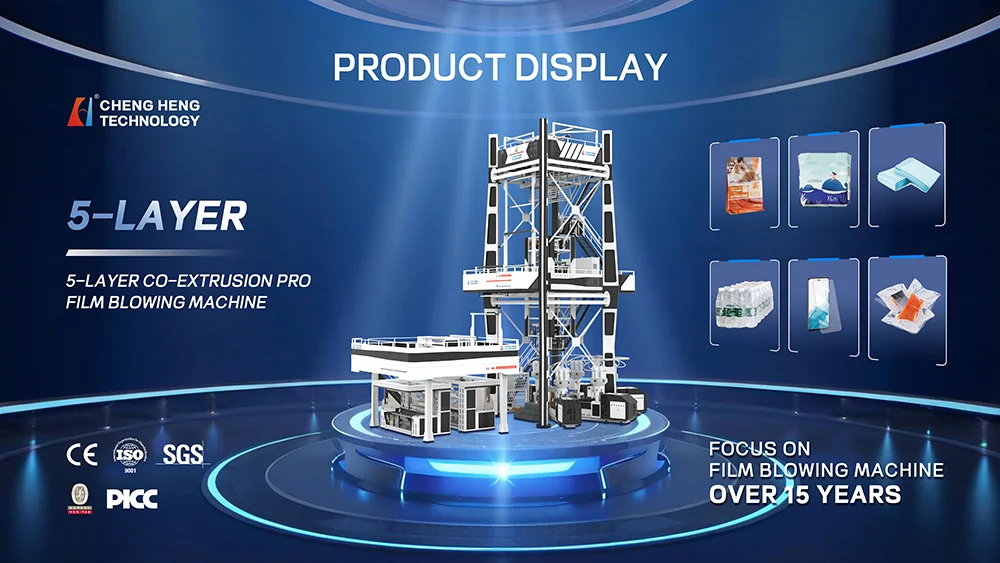
The film extruder is a high-volume manufacturing process in which raw plastic is melted and formed into a continuous film. It is a cornerstone of modern industry, enabling the production of critical materials for food preservation, healthcare, and countless other essential applications. Its versatility and scalability make it a vital component in addressing humanitarian needs, providing protective coverings, and delivering essential supplies in challenging environments.
film extruder

The Importance of Film Extrusion

film extruder

Film extrusion forms the backbone of the modern plastics industry, creating the flexible films essential for packaging, agriculture, construction, and numerous other sectors. The ability to produce films with precise thicknesses, consistent properties, and tailored characteristics is paramount to product performance and consumer satisfaction. A robust film extruder ensures reliability and efficiency throughout the manufacturing process.

The process isn't merely about creating a plastic sheet; it's about controlling the entire polymer transformation from raw material to finished product. Precise temperature control, screw design, and die configuration are all critical factors that influence the final film quality and its suitability for specific applications. Investing in advanced extrusion technology translates directly into improved product quality and reduced material waste.

Defining Film Extrusion

In its simplest form, film extrusion involves melting plastic resin and forcing it through a die to create a continuous sheet, or film. This process leverages the thermoplastic properties of the plastic, allowing it to be repeatedly softened by heating and hardened by cooling. The extruded film is then cooled, often using air or rollers, and wound onto a roll for further processing or use.

Modern film extruders are far more complex than this basic description suggests. They incorporate sophisticated control systems, precise temperature regulation, and specialized screw designs to optimize the process for different materials and film characteristics. This precise control enables the production of films with exceptional clarity, strength, and barrier properties.

The connection to modern industry and humanitarian needs is direct. Food packaging relies on extruded films to preserve freshness and prevent contamination. Agricultural films protect crops and enhance yields. Medical packaging utilizes specialized films to maintain sterility. In disaster relief, extruded film provides vital shelter and protection against the elements.

Core Components of a Film Extruder

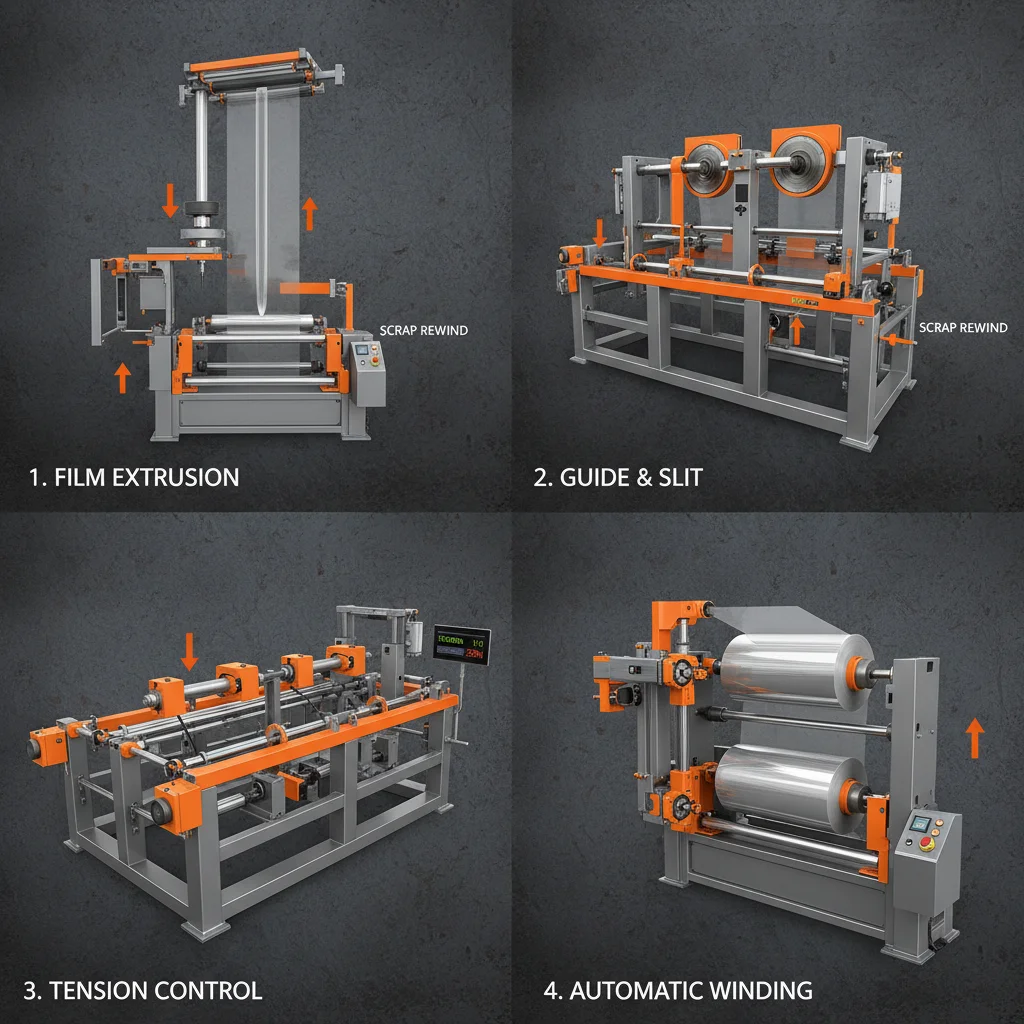
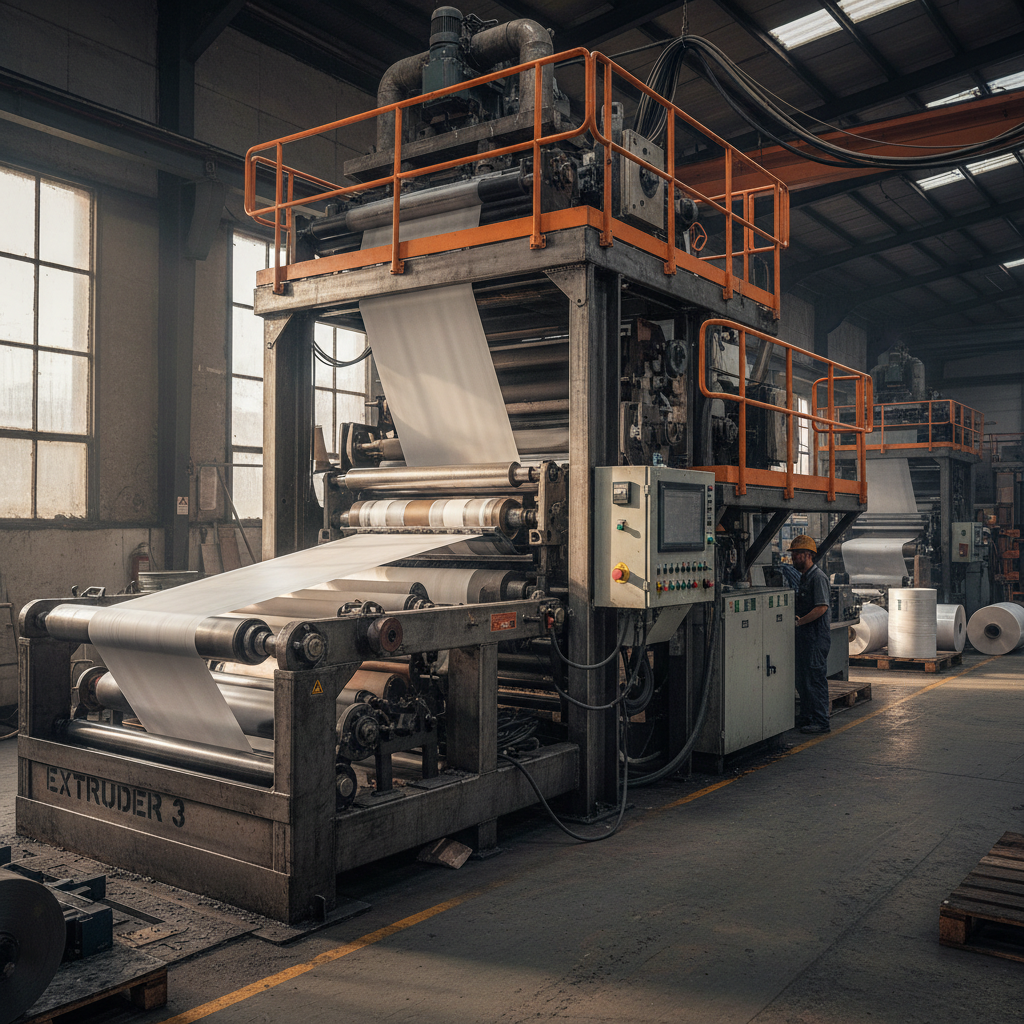
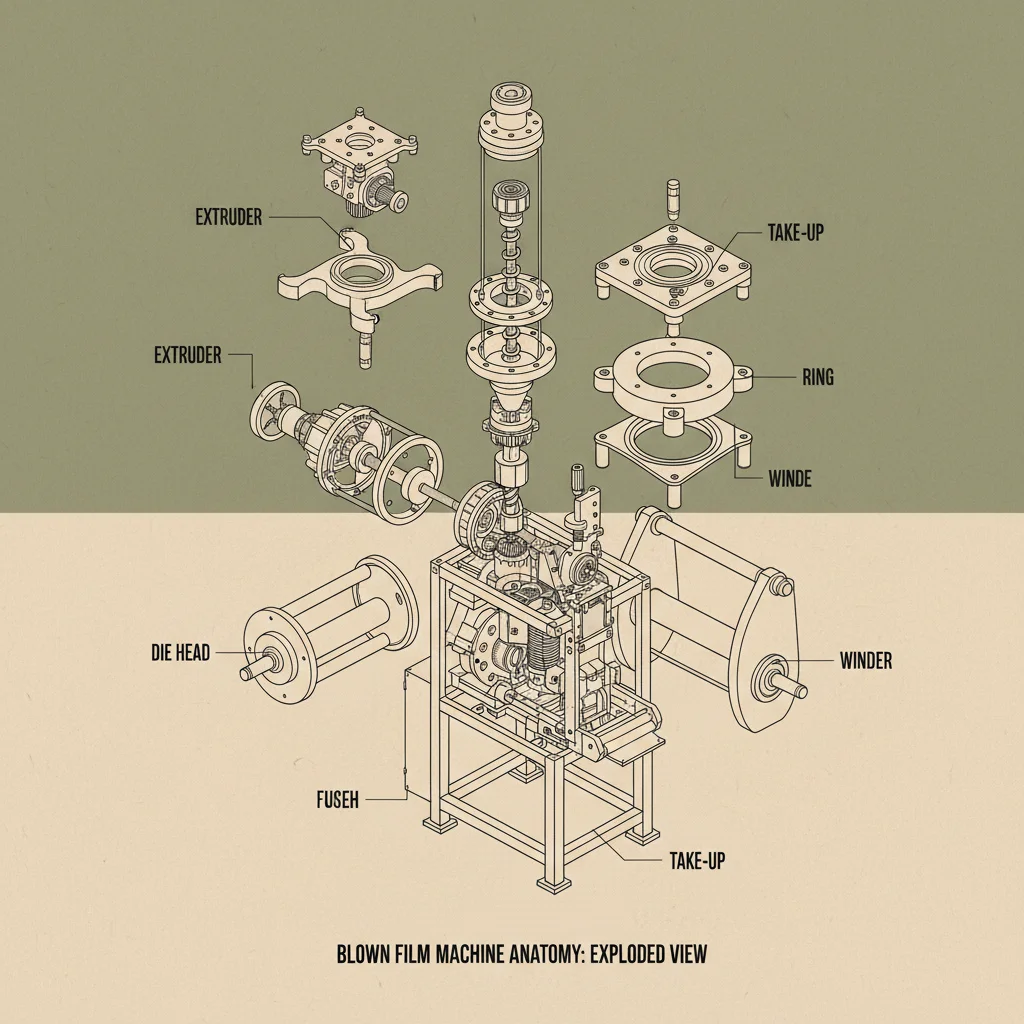
A typical film extruder comprises several key components, each playing a critical role in the overall process. The extruder screw, typically a single or twin screw design, is responsible for conveying, compressing, and melting the plastic resin. The barrel houses the screw and provides the necessary heating zones to facilitate melting. The die, a precisely engineered opening, shapes the molten plastic into the desired film thickness and width.

Beyond these core components, a comprehensive film extrusion system includes a drive motor, control panel, cooling system, and winding mechanism. The drive motor provides the power to rotate the screw, while the control panel allows operators to monitor and adjust key process parameters like temperature, pressure, and screw speed. The cooling system rapidly cools the extruded film, and the winding mechanism ensures efficient collection of the finished product.

The die is arguably the most critical component, as it directly determines the film’s final dimensions and quality. Die design must account for factors like polymer viscosity, extrusion rate, and desired film thickness. Advanced die designs incorporate features to minimize melt flow distortion and ensure uniform thickness across the film width.

Key Factors Influencing Film Extruder Performance

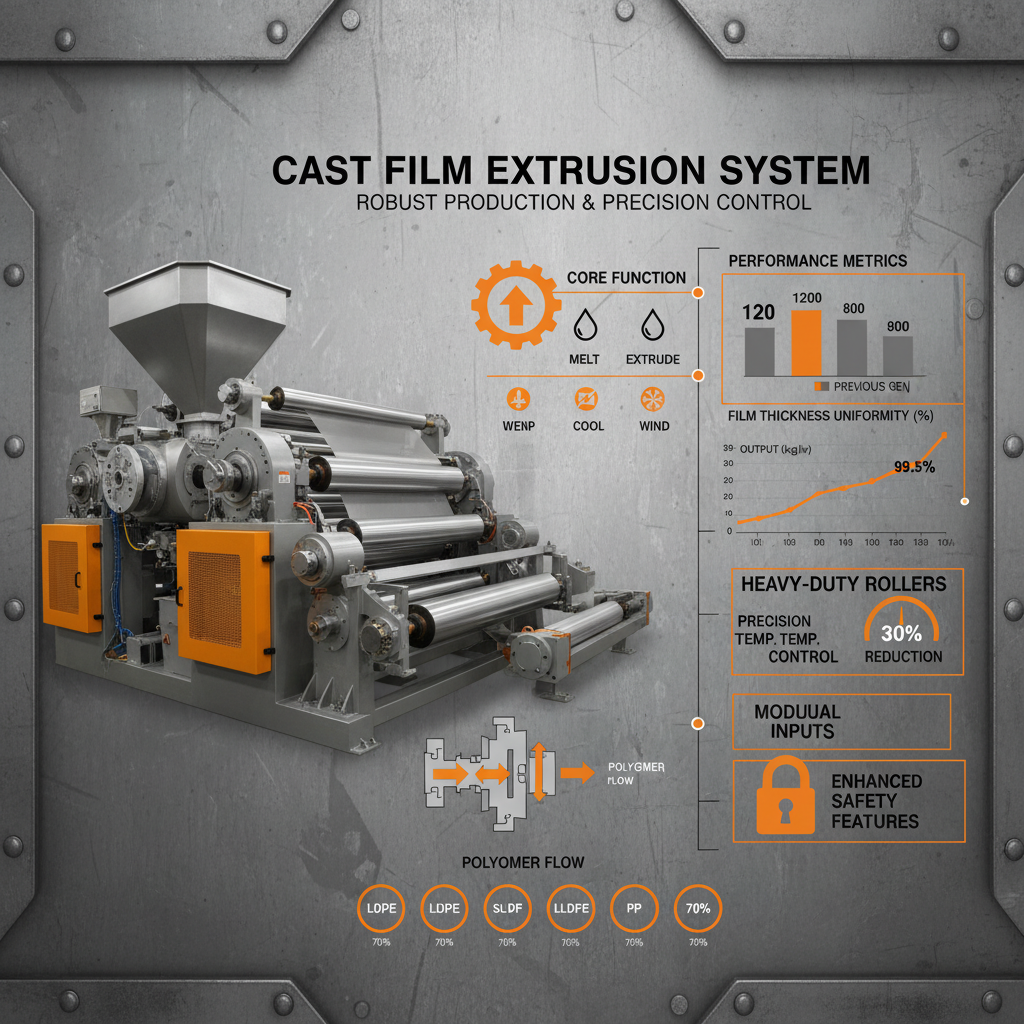
Several factors impact the performance of a film extruder, and optimizing these is crucial for achieving high-quality film production. Material selection is paramount. Different polymers require different processing parameters and extruder configurations. Screw design is also critical; the screw’s geometry influences the melting rate, mixing efficiency, and overall throughput.

Temperature control is another vital factor. Maintaining precise temperature profiles throughout the extruder barrel is essential for achieving consistent melt quality and preventing degradation of the polymer. Finally, die design and calibration play a critical role in determining film thickness uniformity and minimizing defects.

Film Extruder Performance Metrics

Global Applications of Film Extrusion

The applications of film extrusion are incredibly diverse and span numerous industries worldwide. In packaging, extruded films are used for food packaging, industrial wrapping, and consumer goods protection. The agricultural sector utilizes films for greenhouse coverings, mulching, and silage wrap, enhancing crop yields and reducing water consumption.

The construction industry employs extruded films for vapor barriers, waterproofing membranes, and geomembranes. The medical field relies on specialized films for sterile packaging, IV bags, and blood bags. In post-disaster relief operations, film extruders can be deployed rapidly to produce emergency shelter materials.

Advantages and Long-Term Value

Investing in quality film extruder technology offers a multitude of advantages. Reduced material waste through precise control translates into significant cost savings. Enhanced film quality improves product performance and consumer satisfaction. Increased production efficiency boosts throughput and profitability.

The long-term value extends beyond financial benefits. Sustainable film extrusion practices, utilizing recycled materials and energy-efficient equipment, contribute to environmental responsibility. Reliable equipment minimizes downtime and ensures consistent production. Ultimately, a robust film extrusion process fosters innovation and builds trust with customers.

Future Trends and Innovations in Film Extrusion

The future of film extrusion is focused on sustainability, automation, and digitalization. The development of biodegradable and compostable polymers is driving innovation in materials science. Advancements in extruder control systems are enabling more precise process control and reduced energy consumption.

Digitalization, including the integration of IoT sensors and data analytics, is revolutionizing film extrusion operations. Real-time monitoring of process parameters allows for predictive maintenance and optimized performance. The trend towards Industry 4.0 is driving the development of smart extruders that can self-adjust and optimize production based on changing conditions.

Furthermore, increasing emphasis is being placed on reducing the carbon footprint of film extrusion. Technologies such as co-extrusion, which combines multiple layers of different materials, are being refined to create films with enhanced barrier properties and reduced material usage.

FAQS

What are the key differences between single-screw and twin-screw film extruders?

Single-screw extruders are generally more cost-effective and suitable for processing simpler polymers. Twin-screw extruders offer superior mixing and control, making them ideal for complex materials, high-throughput applications, and precise formulations. They excel at handling recycled materials and can achieve more consistent melt quality.

How can I minimize waste during film extrusion?

Minimizing waste involves optimizing process parameters like temperature, screw speed, and die design. Implementing closed-loop control systems and utilizing scrap reclaimers can effectively recycle waste materials back into the process. Regular maintenance and proper die cleaning are also crucial for preventing defects and reducing scrap rates.

What is the typical lifespan of a film extruder?

With proper maintenance and regular servicing, a high-quality film extruder can last for 20-30 years or even longer. Factors influencing lifespan include the quality of the initial equipment, the operating environment, the materials processed, and the frequency of maintenance. Investing in preventative maintenance is key to extending the extruder’s operational life.

What types of materials can be processed using film extrusion?

A wide range of thermoplastic materials can be processed, including polyethylene (PE), polypropylene (PP), polyvinyl chloride (PVC), polyethylene terephthalate (PET), and various copolymers. The choice of material depends on the desired film properties, such as strength, flexibility, clarity, and barrier characteristics. Specialized extruders can also handle more challenging materials like bio-plastics.

How important is preventative maintenance for film extruders?

Preventative maintenance is critical for ensuring reliable operation, extending lifespan, and minimizing costly downtime. Regular inspections, lubrication, cleaning, and component replacement are essential. Following the manufacturer’s recommendations for maintenance schedules is vital for maximizing the extruder’s performance and preventing unexpected failures.

What are the energy efficiency considerations for film extrusion?

Energy efficiency can be improved through several strategies. Utilizing energy-efficient motors and drives, optimizing temperature control, and recovering waste heat are effective measures. Proper insulation of the extruder barrel and die can also reduce energy losses. Implementing automated control systems to optimize process parameters further enhances energy efficiency.

Conclusion

The film extruder remains an indispensable technology across a diverse range of industries, powering the production of essential films used in packaging, agriculture, healthcare, and more. Understanding its core components, key performance factors, and future trends is crucial for businesses looking to optimize their operations, enhance product quality, and embrace sustainable practices. Investing in advanced extrusion technology is not merely an expense, but a strategic investment in long-term growth and competitiveness.

Looking ahead, the film extrusion industry will continue to evolve, driven by the demand for more sustainable materials, automated processes, and data-driven optimization. Embracing these innovations will be essential for remaining competitive in a rapidly changing market. To learn more about our range of film extruders and how we can help you achieve your production goals, visit our website: www.cnchsj.com.

Kevin Davis

Kevin Davis

Kevin Davis is a Product Development Specialist at Chengheng Plastic Machinery, with a focus on improving the automation features of our machines. Kevin leverages his expertise in electrical engineering and control systems to integrate the latest technologies into our product line. He’s been with Chengheng for 5 years and has played a key role in developing several new features for our film blowing and bag making machines. He's currently working on a project to improve the precision of our printing machine’s registration system. Kevin holds a Master’s degree from Purdue University.
Previous Advanced Cast Film Extruder Technology for Modern Plastic Film Production
Next Comprehensive Guide to Blow Film Plastic Applications and Sustainable Innovations