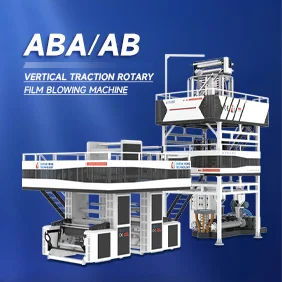
Comprehensive Guide to Film Blowing Machine Technology and Applications
Film Blowing Machine: A Comprehensive Guide
In the dynamic world of plastics manufacturing, the film blowing machine stands as a cornerstone for producing a vast array of plastic film products. From packaging materials to agricultural films, these machines are essential for countless industries. This article delves into the intricacies of film blowing machines, exploring their types, applications, key components, and the factors to consider when selecting the right machine for your specific needs. We'll explore the technology behind reliable film production and how to optimize your plastic film manufacturing process.
Understanding Film Blowing Machine Types
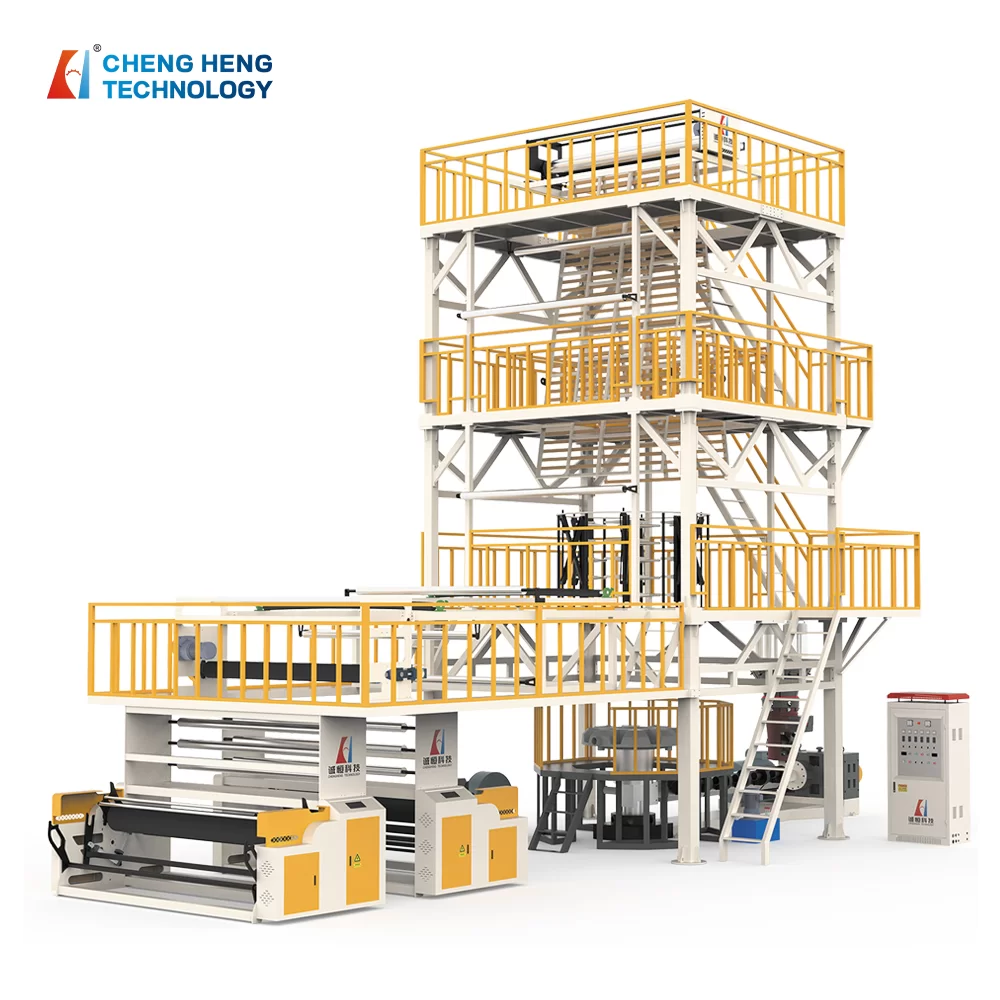
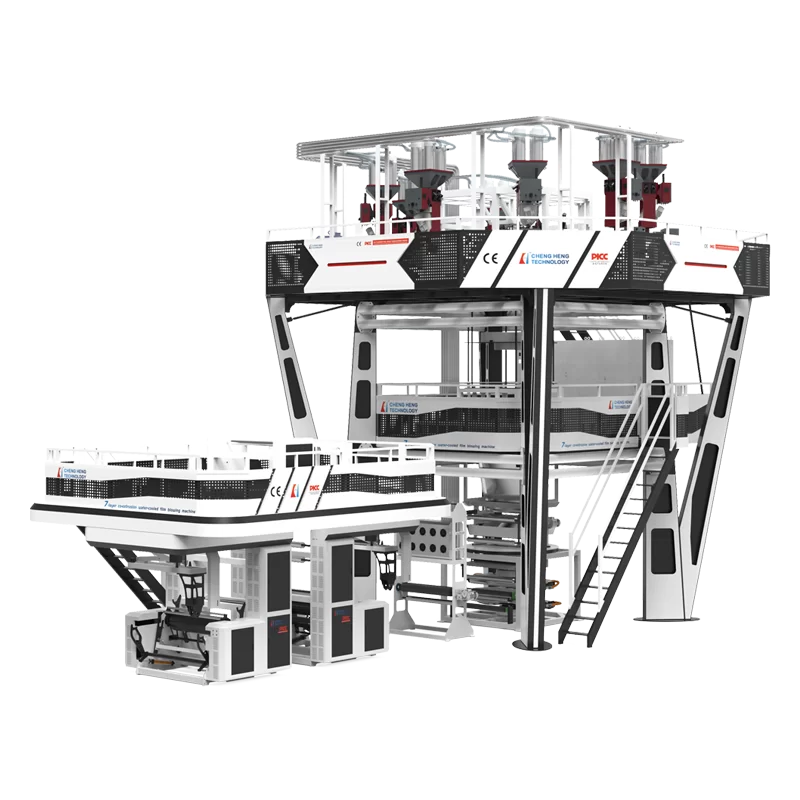
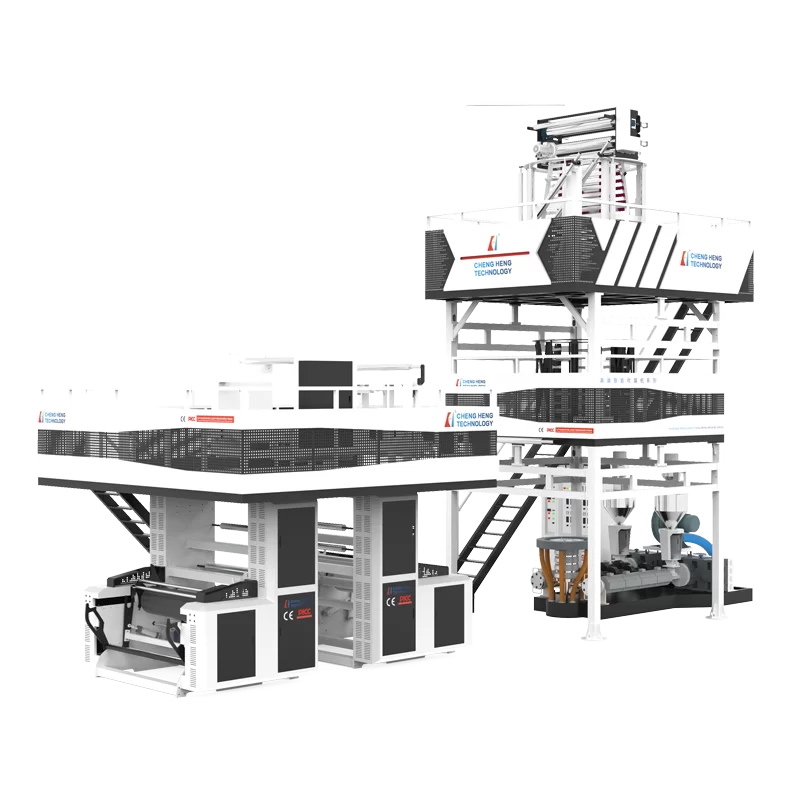
Film blowing machines come in various configurations, each suited to different film types and production volumes. The primary types include single-layer, double-layer, and multi-layer machines. Single-layer machines are the simplest and most cost-effective, ideal for producing basic films like polyethylene (PE) bags. Double-layer machines allow for combining different materials, offering improved film properties like barrier resistance. Multi-layer machines, the most sophisticated, can create films with multiple layers, each providing specific characteristics – strength, impermeability, printability – enabling complex packaging solutions. Choosing the right type depends on your desired film characteristics and market demand. CNCHSJ offers a complete range of film blowing machines to suit your needs.
Key Takeaway: The complexity of the machine directly correlates with the complexity of the film it can produce. Consider your product requirements carefully.
Key Components of a Film Blowing Machine
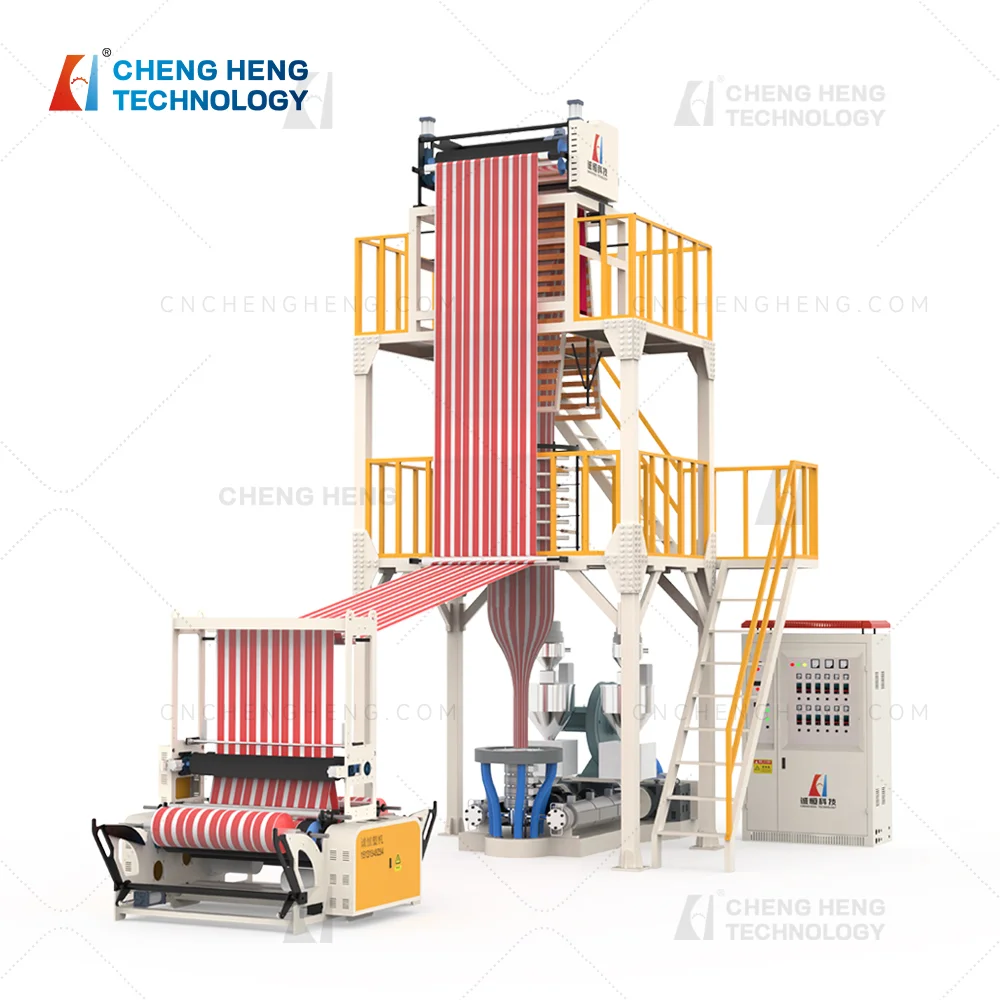
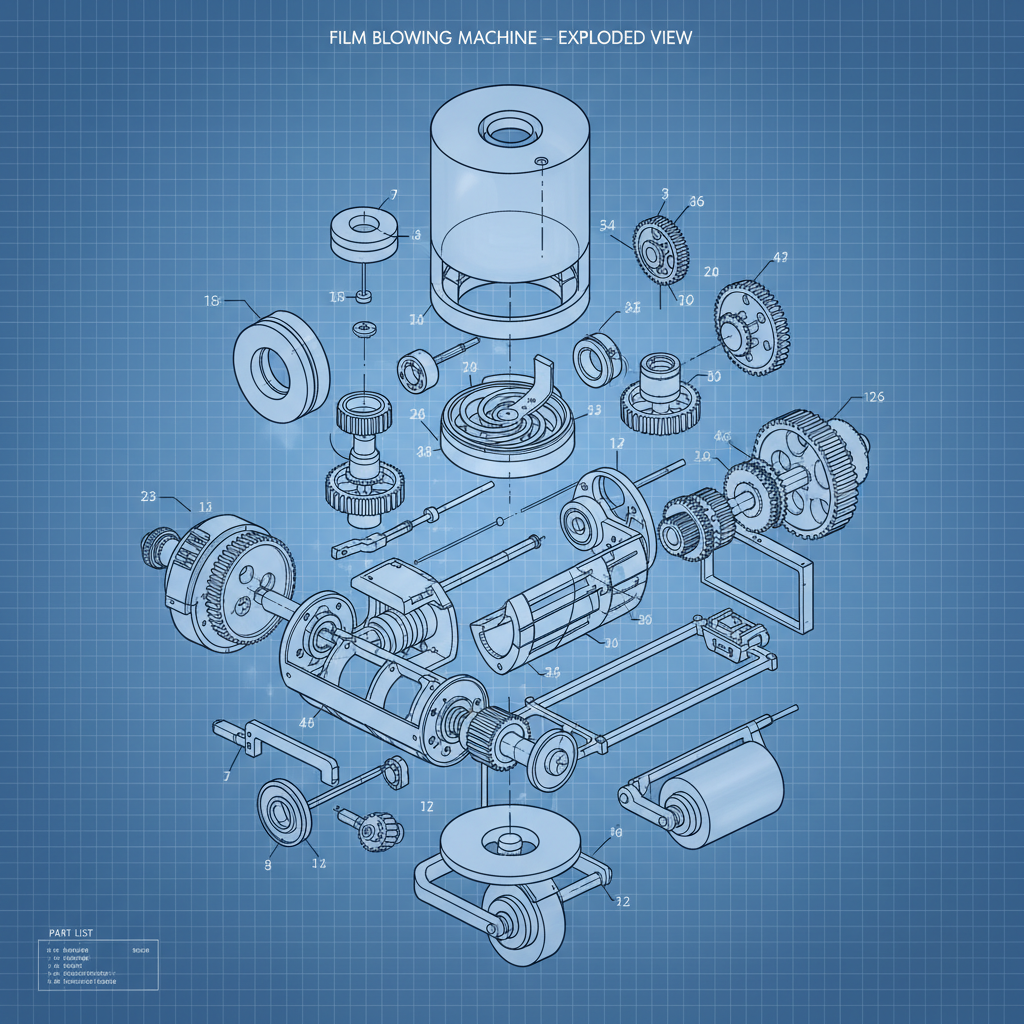
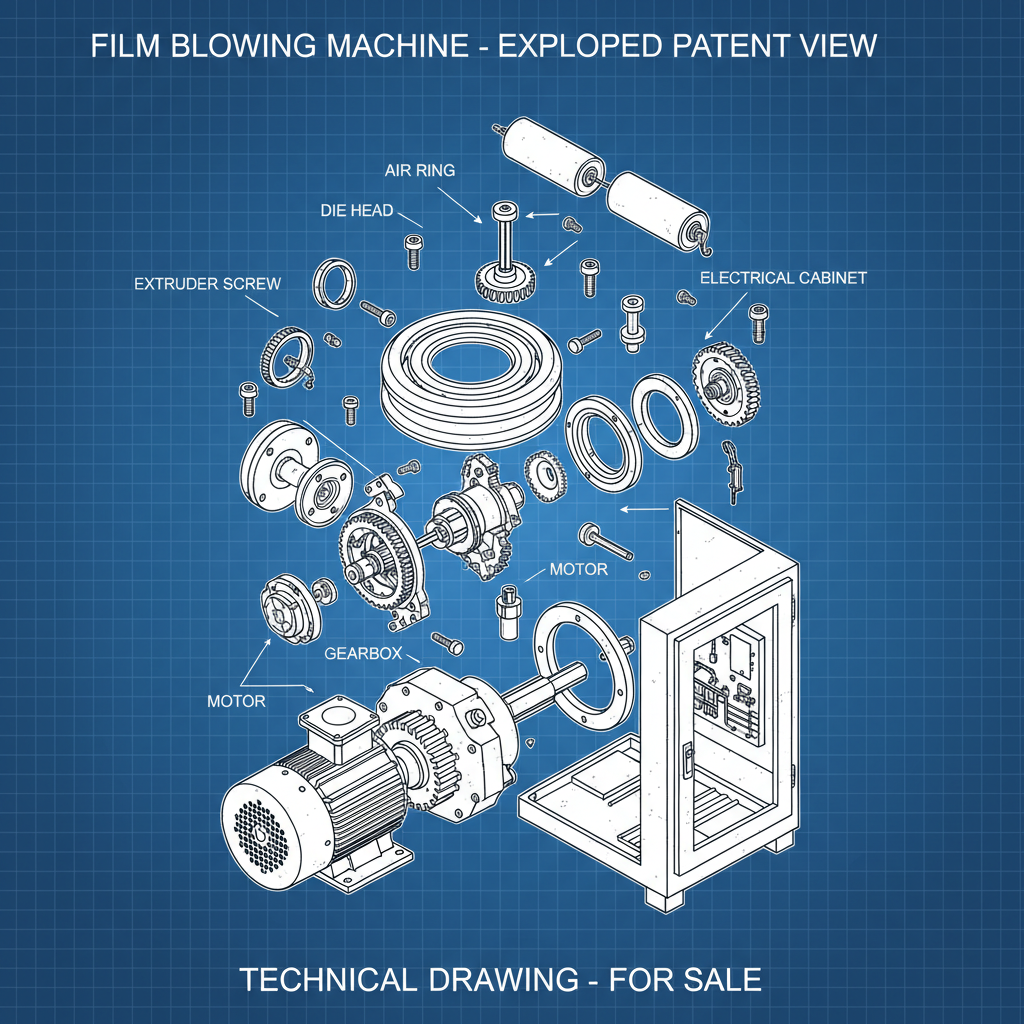
A typical film blowing machine comprises several critical components working in harmony. These include the extruder, die head, air ring, collapsing unit, and winding system. The extruder melts and homogenizes the plastic resin. The die head shapes the molten plastic into a tubular film. The air ring cools the film, solidifying it into its desired thickness. The collapsing unit folds the film, and the winding system rolls it onto a core for storage and transport. The quality of each component greatly impacts the final film’s consistency and performance. Proper maintenance and selection of high-quality components are crucial for reliable operation.
Essential Components:
• Extruder: Melts and mixes plastic resin.
• Die Head: Forms the molten plastic into a tube.
• Air Ring: Cools and solidifies the film.
• Collapsing Unit: Folds the film.
• Winding System: Rolls the film onto a core.
Film Blowing Machine Applications and Industries
The applications of film blowing machines are incredibly diverse. They are fundamental to the packaging industry, producing films for food packaging, consumer goods, and industrial products. Agricultural films created by these machines enhance crop yields and protect against environmental factors. The medical industry relies on specialized films for sterile packaging and medical devices. Furthermore, film blowing machines contribute to the production of construction films, lamination films, and countless other specialized applications. The continuous demand across these industries ensures the enduring importance of this technology. CNCHSJ’s machines cater to a broad spectrum of these needs.
Comparing Film Blowing Machine Configurations
Selecting the right film blowing machine configuration is crucial for optimal performance and cost-effectiveness. Here’s a comparison of the three main types:
Selecting the Right Film Blowing Machine: Key Considerations
Several factors influence the choice of a film blowing machine. Consider the type of plastic resin you’ll be using (PE, PP, PVC, etc.), the desired film thickness and width, the required production output, and your budget. Also, assess the level of automation needed – manual, semi-automatic, or fully automatic. Furthermore, factor in after-sales support and the availability of spare parts. A reputable supplier like CNCHSJ can provide expert guidance and tailored solutions.
Future Trends in Film Blowing Technology
The film blowing industry is constantly evolving, with a growing focus on sustainability and efficiency. Expect to see increased adoption of bio-based plastics, thinner film gauges, and improved recycling technologies. Automation and digitalization, including real-time monitoring and predictive maintenance, will also play a more significant role. Manufacturers like CNCHSJ are actively investing in these innovations to provide cutting-edge solutions to their customers.
Conclusion: Optimizing Your Film Production
Investing in a high-quality film blowing machine is a critical step for businesses in the plastics industry. By carefully considering your specific needs, understanding the different machine types, and partnering with a reliable supplier like CNCHSJ, you can optimize your film production process, enhance product quality, and achieve long-term success.
Frequently Asked Questions (FAQs)
What is the typical lead time for a film blowing machine order?
Lead times can vary depending on the machine's complexity and customization requirements. Generally, standard machines have a lead time of 6-8 weeks, while customized machines may take 10-12 weeks or longer. It's best to discuss your specific needs with the supplier to get an accurate estimate. Factors such as current order backlog and component availability can also influence the lead time. Ordering well in advance is recommended to ensure timely delivery.
What kind of maintenance is required for a film blowing machine?
Regular maintenance is crucial for ensuring the machine's longevity and optimal performance. This includes daily cleaning, lubrication of moving parts, inspection of wear and tear on components, and regular checks of the electrical system. It’s also important to periodically inspect and clean the die head and air ring. A preventative maintenance schedule, as recommended by the manufacturer, should be followed diligently.
What is the power consumption of a typical film blowing machine?
Power consumption varies significantly depending on the machine's size, output capacity, and features. Smaller, single-layer machines typically consume around 20-30kW, while larger, multi-layer machines can consume 100kW or more. Energy-efficient motors and control systems can help minimize power consumption. It's important to factor in power consumption costs when evaluating different machine options. CNCHSJ can provide detailed power consumption specifications for each machine model.