0%

Table of Contents

The film extruder machine is a cornerstone of modern plastics processing, enabling the efficient and cost-effective production of plastic films used in a vast array of applications. From food packaging and agricultural films to industrial liners and medical supplies, the demand for high-quality plastic films continues to grow globally. Understanding the intricacies of film extrusion, from the selection of raw materials to the optimization of processing parameters, is critical for manufacturers seeking to maintain competitiveness and meet evolving market demands.

The global plastics industry is a multi-billion dollar market, heavily reliant on film extruder machine technology. According to Statista, the global plastic packaging market was valued at approximately $406.8 billion in 2023, and is projected to reach over $470 billion by 2028. This substantial growth necessitates continuous innovation in film extrusion techniques to enhance productivity, reduce waste, and improve the sustainability of plastic film production.

A key challenge facing the industry is balancing the demand for plastic films with growing environmental concerns. The film extruder machine plays a crucial role in addressing this challenge by enabling the production of thinner, lighter-weight films, utilizing recycled materials, and developing biodegradable alternatives. As regulations surrounding plastic waste become more stringent, mastering the art of efficient and sustainable film extrusion is paramount for continued success.
film extruder machine

Understanding the Fundamentals of Film Extruder Machine

film extruder machine

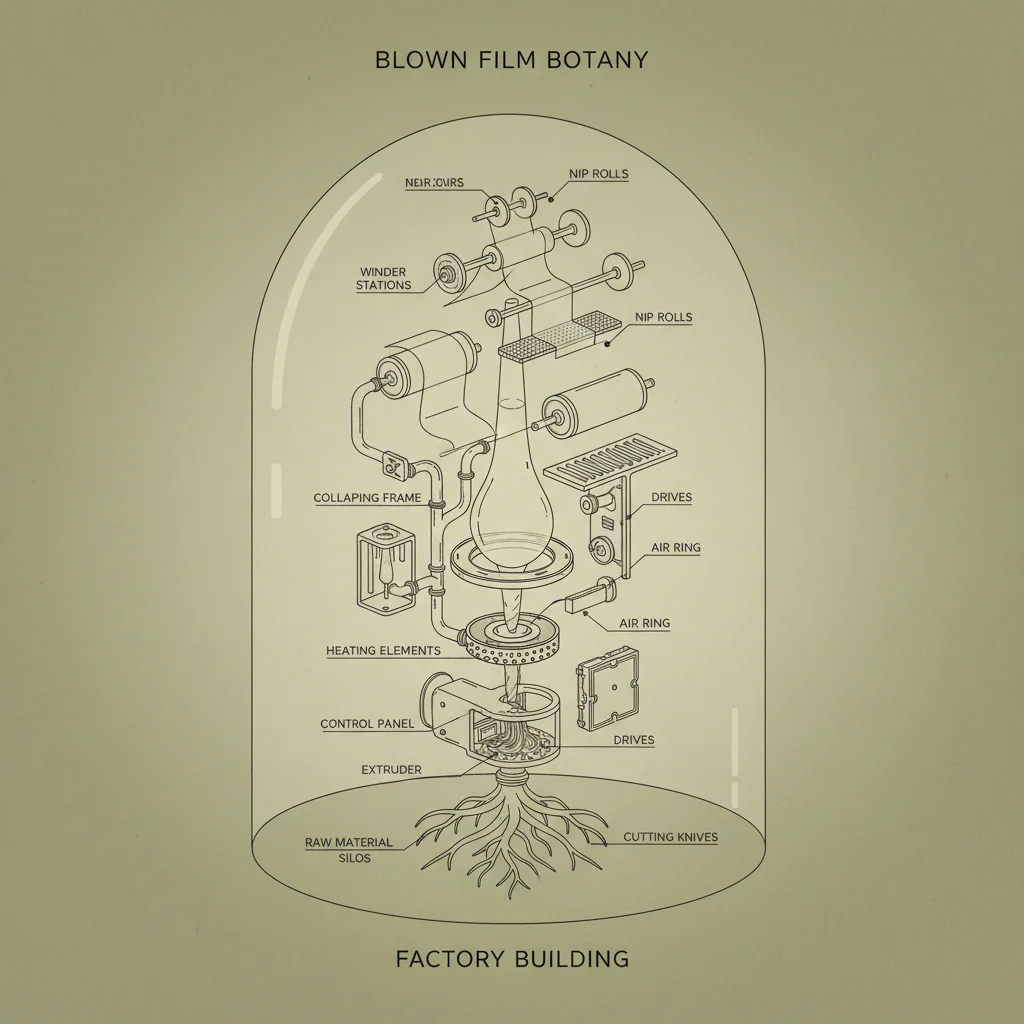
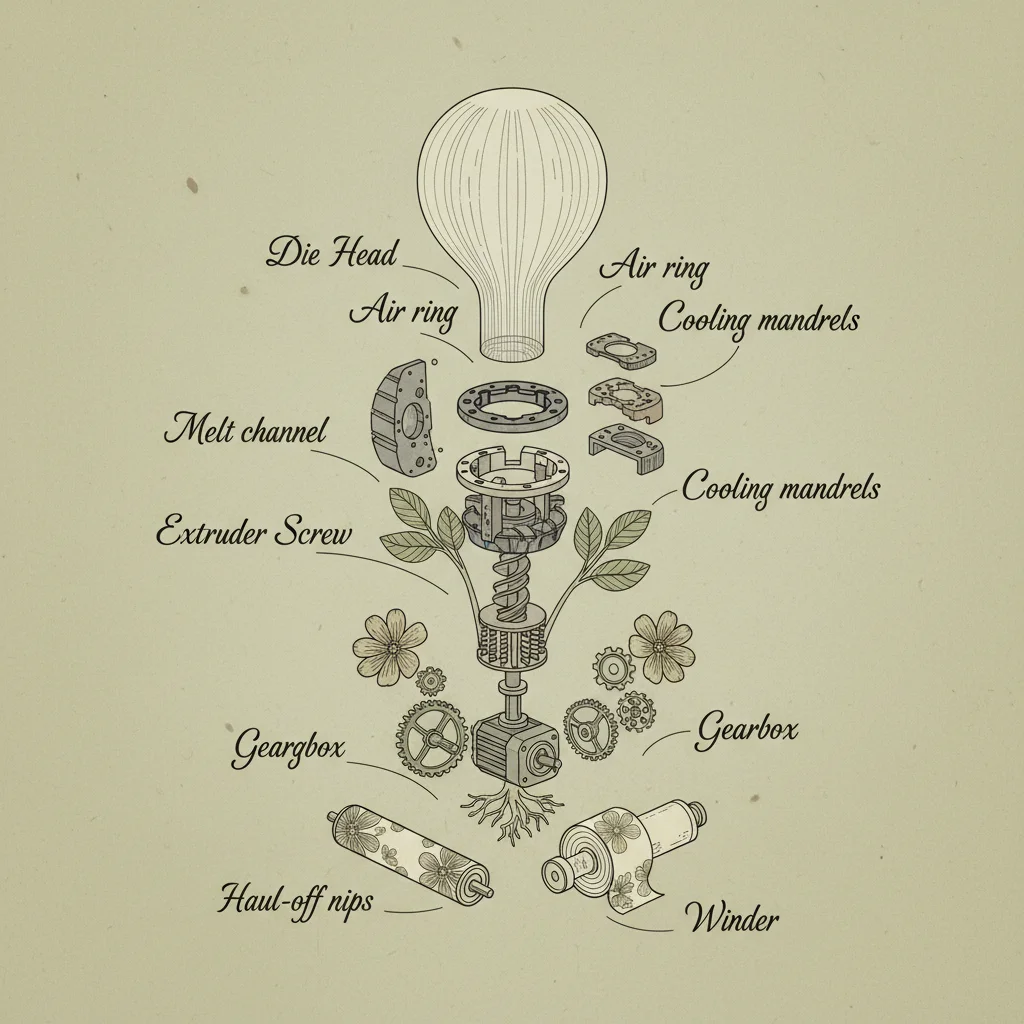
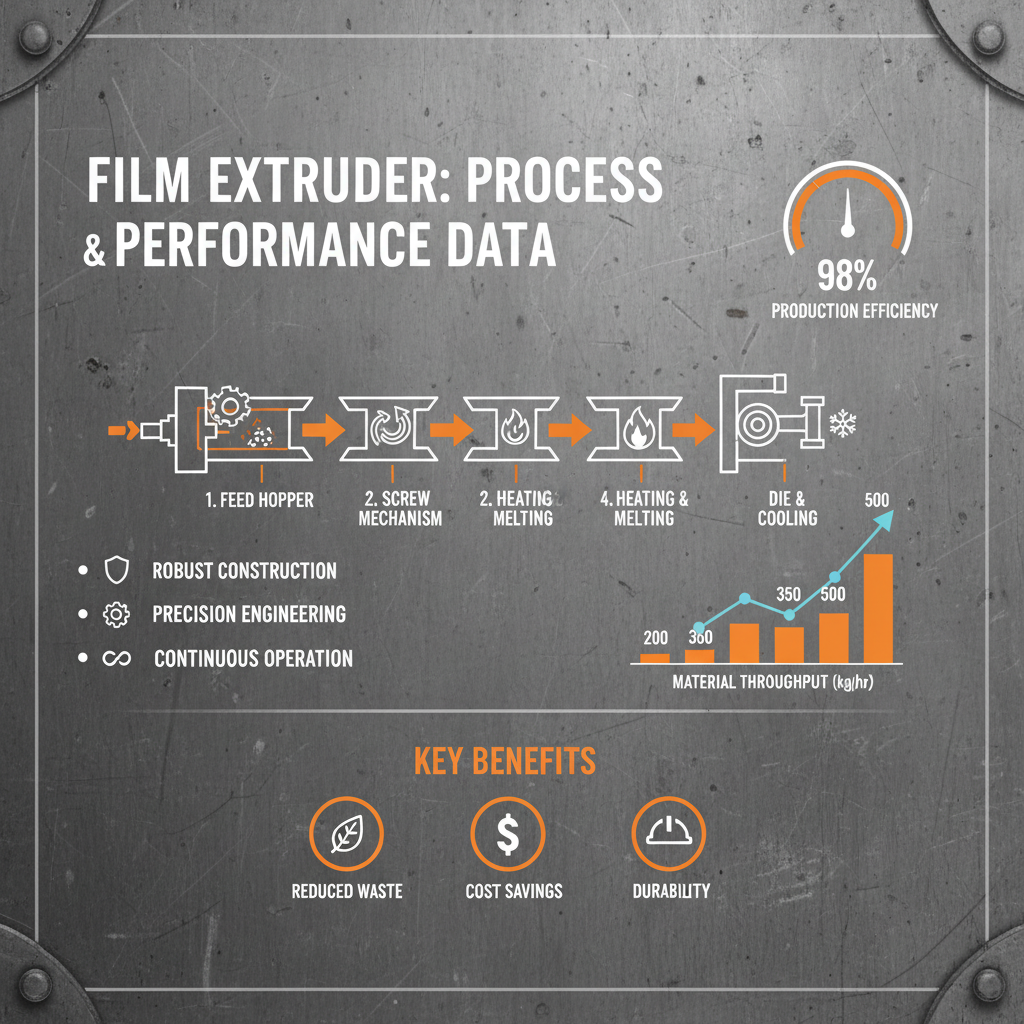
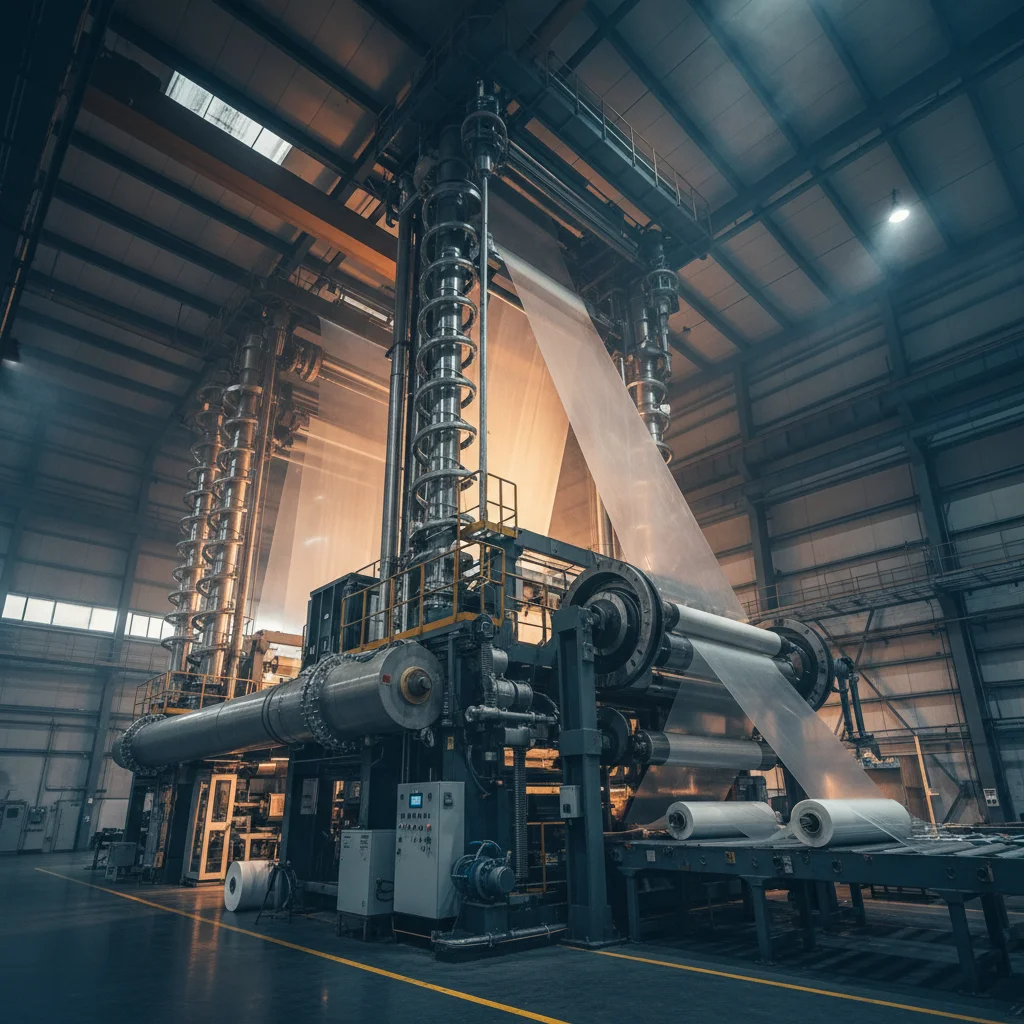
At its core, a film extruder machine melts plastic resin and forces it through a die to create a continuous sheet of plastic film. The process involves several key components, including the extruder screw, heating zones, die, and cooling system. Understanding how these components interact is fundamental to controlling film thickness, width, and overall quality. The selection of the appropriate screw design and die geometry is critical for achieving desired film properties.

The quality of the film produced is heavily dependent on the process parameters employed. These include the melt temperature, screw speed, die pressure, and cooling rate. Precise control of these parameters is essential for ensuring consistent film properties and minimizing defects. Modern film extruder machine often incorporate advanced control systems to automate these processes and optimize performance.

The Global Relevance of Film Extrusion

Film extrusion is a globally significant process, integral to numerous industries and supply chains worldwide. The Asia-Pacific region currently dominates the film extrusion market, driven by rapid economic growth and increasing demand for flexible packaging. China, in particular, is a major producer and consumer of plastic films, representing a substantial portion of the global market. However, increasing demand also comes from North America and Europe, driven by stringent quality and sustainability standards.

The United Nations Sustainable Development Goals (SDGs) highlight the importance of responsible production and consumption patterns, influencing the film extrusion industry to adopt more sustainable practices. The World Bank reports show a continued increase in demand for plastic packaging for food preservation, especially in developing nations, presenting a complex challenge requiring innovative film extrusion solutions.

A pressing global issue addressed by advancements in film extrusion is food waste reduction. High-barrier films, produced using advanced extruder machines, extend the shelf life of food products, minimizing spoilage and contributing to food security. This represents a crucial application of film extrusion technology in addressing global challenges.

Defining Film Extruder Machine Technology

A film extruder machine is a complex piece of equipment designed to transform plastic resin into thin, continuous sheets of plastic film. This is achieved through a process called extrusion, where the resin is melted, shaped, and cooled. The machine typically consists of an extruder, a die, and a take-up system. The extruder melts the plastic, the die shapes it into a film, and the take-up system winds the finished film onto a roll.

The connection between film extrusion and modern industry is undeniable. It’s fundamental to packaging, agriculture, construction, healthcare, and automotive sectors. The humanitarian impact is also significant; affordable and durable plastic films protect food supplies, deliver clean water, and create temporary shelter in emergency situations.

Modern film extruder machines utilize sophisticated control systems and sensor technology to monitor and adjust process parameters in real-time. This ensures consistent film quality, reduces waste, and improves efficiency. Innovations in die design and cooling technology further enhance film properties and expand the range of applications.

Key Factors Influencing Film Extrusion Quality

Several factors critically impact the quality of film produced by an extruder machine. These include the resin's melt flow index (MFI), the die gap, the cooling rate, and the haul-off speed. MFI dictates how easily the plastic flows, impacting film clarity and uniformity. The die gap controls film thickness and width, demanding precise calibration.

Film Extruder Machine Performance Indicators

Applications of Film Extruder Machine Across Industries

The versatility of film extruder machine-produced films is evident across a wide spectrum of industries. In the packaging sector, they create flexible packaging for food, beverages, pharmaceuticals, and consumer goods. Agricultural films protect crops, conserve water, and enhance yields. Construction utilizes films for vapor barriers, insulation, and roofing materials.

Medical applications include sterile packaging, surgical drapes, and medical tubing. The automotive industry relies on films for interior trim, protective coatings, and soundproofing. In remote industrial zones, the ability to locally produce plastic films with a film extruder machine reduces reliance on long supply chains and lowers costs.

Advantages and Long-Term Value Proposition

Investing in a film extruder machine provides numerous tangible benefits. Cost savings are realized through in-house film production, eliminating reliance on external suppliers. Enhanced control over film properties allows for tailored solutions meeting specific application requirements. The durability and reliability of modern machines ensure long-term operational efficiency.

Beyond economic advantages, film extrusion contributes to sustainability by enabling the use of recycled materials and the development of biodegradable films. This fosters a positive brand image and demonstrates environmental responsibility. The enhanced product quality and protection offered by tailored films enhance safety, preserve product integrity, and build customer trust.

Future Trends and Innovations in Film Extrusion

The future of film extrusion is characterized by a shift towards greater sustainability, automation, and digitalization. The development of biodegradable and compostable films using bio-based polymers is gaining momentum. Integration of advanced sensors and artificial intelligence (AI) optimizes process control and reduces waste. Automation of the entire extrusion process, from resin handling to film winding, boosts efficiency and lowers labor costs.

Green energy solutions, such as utilizing renewable power sources to operate extruder machines, are becoming increasingly prevalent. Digital twins—virtual representations of the extrusion process—enable predictive maintenance and optimize performance. The adoption of Industry 4.0 technologies, including the Industrial Internet of Things (IIoT), facilitates real-time data analysis and remote monitoring.

Continued research and development will focus on improving film properties, such as barrier performance, mechanical strength, and optical clarity. Innovations in multilayer film extrusion will enable the creation of films with tailored functionalities for specific applications.

FAQS

What are the primary materials used in film extruder machine production?

Polyethylene (PE), polypropylene (PP), polyethylene terephthalate (PET), and polyvinyl chloride (PVC) are the most common resins. Increasingly, bio-based polymers like polylactic acid (PLA) are being utilized for sustainable applications. The selection depends on the desired film properties, such as strength, clarity, and barrier performance, and the end-use application. The extruder machine's compatibility with various resins is crucial.

How often does a film extruder machine typically require maintenance?

Regular maintenance is essential for optimal performance and longevity. Daily checks include visual inspections for leaks and abnormal noises. Monthly maintenance involves cleaning the die, checking screw wear, and inspecting heating elements. Annual comprehensive maintenance includes bearing replacement, gearbox lubrication, and control system calibration. Proactive maintenance reduces downtime and extends the machine’s lifespan.

What is the typical lifespan of a high-quality film extruder machine?

A well-maintained film extruder machine can typically operate effectively for 15-20 years or even longer. Factors affecting lifespan include the quality of the machine, the intensity of usage, and the adherence to a regular maintenance schedule. Investing in a reputable brand and implementing a preventative maintenance program significantly extends the machine's operational life.

What safety measures are important when operating a film extruder machine?

Safety is paramount. Operators must wear appropriate personal protective equipment (PPE), including safety glasses, gloves, and hearing protection. Emergency stop buttons should be readily accessible. Proper ventilation is crucial to remove fumes. Lockout/tagout procedures must be followed during maintenance. Regular safety training for operators is essential to prevent accidents.

How can I improve the energy efficiency of my film extruder machine?

Optimizing process parameters, such as melt temperature and screw speed, can reduce energy consumption. Utilizing energy-efficient motors and drives is also crucial. Insulating heating zones minimizes heat loss. Implementing a waste heat recovery system can further improve energy efficiency. Regular maintenance ensures the machine operates at peak performance, reducing energy waste.

What are the key considerations when selecting a film extruder machine supplier?

Consider the supplier's reputation, experience, and customer support. Ensure they offer a range of machines to meet your specific needs. Evaluate the machine's build quality, features, and automation capabilities. Check for availability of spare parts and technical assistance. A reliable supplier provides comprehensive training and ongoing support, ensuring a smooth and productive operation.

Conclusion

In conclusion, the film extruder machine remains an indispensable technology for numerous industries worldwide. Its ability to efficiently and cost-effectively produce plastic films with tailored properties makes it crucial for packaging, agriculture, healthcare, and countless other applications. Continued innovation in materials, automation, and sustainability will further enhance the value proposition of this vital equipment.

Looking ahead, embracing advancements like biodegradable polymers, AI-powered process optimization, and digital twin technology will be critical for staying competitive in the evolving landscape. Investing in high-quality film extruder machine, coupled with a commitment to continuous improvement and sustainable practices, will ensure long-term success and contribute to a more environmentally responsible future. Visit our website for more information.
Michael Thompson

Michael Thompson

Michael Thompson is Chengheng Plastic Machinery’s Lead Service Technician for the United States. He’s based in Houston, Texas and is responsible for installation, maintenance, and repair of our bag making and printing machines across the country. Michael has over 15 years of hands-on experience in machine servicing and troubleshooting, and holds several certifications in industrial automation. He’s known for his quick response times and commitment to minimizing downtime for our clients. Michael also develops and delivers on-site training for operators to ensure they can maximize the efficiency of their equipment.
Previous Comprehensive Guide to Blow Film Plastic Applications and Sustainable Innovations
Next Advanced Film Blowing Machines for Flexible Packaging Production and Innovation