Comprehensive Guide to Understanding Blown Film Making Machine Technology
Understanding Blown Film Making Machines: A Comprehensive Guide
Blown film making machines are essential for producing plastic film used in a wide variety of applications, from packaging and agricultural films to industrial liners and more. This guide delves into the intricacies of these machines, covering their working principles, types, applications, and considerations for selecting the right equipment. For reliable and high-quality blown film solutions, explore CNC HSJ Machinery, a leading provider of blown film machines. Choosing the right machine is critical for optimizing production efficiency and film quality.
How Blown Film Making Machines Work
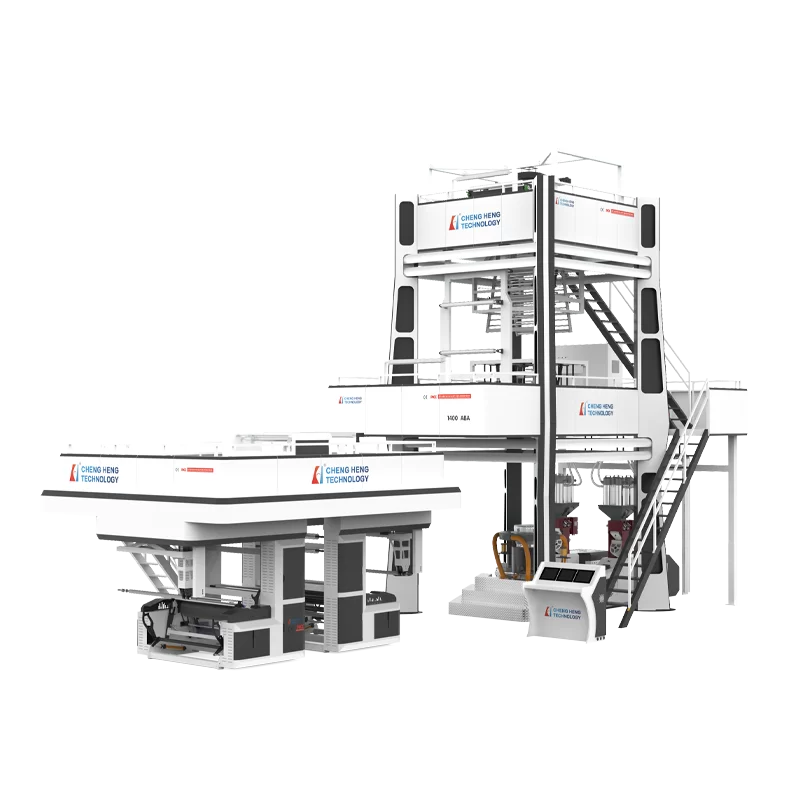
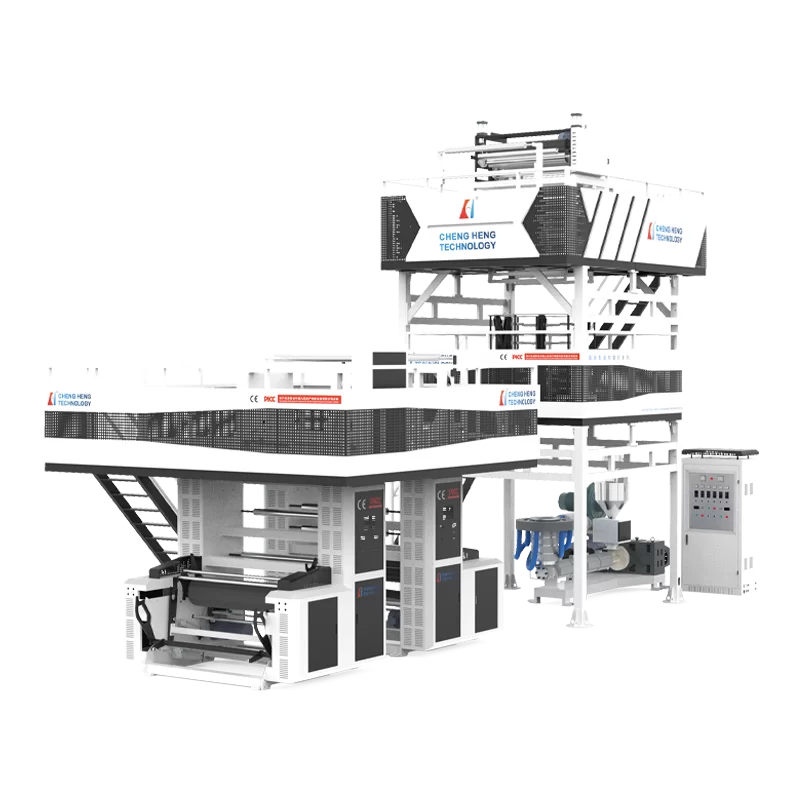
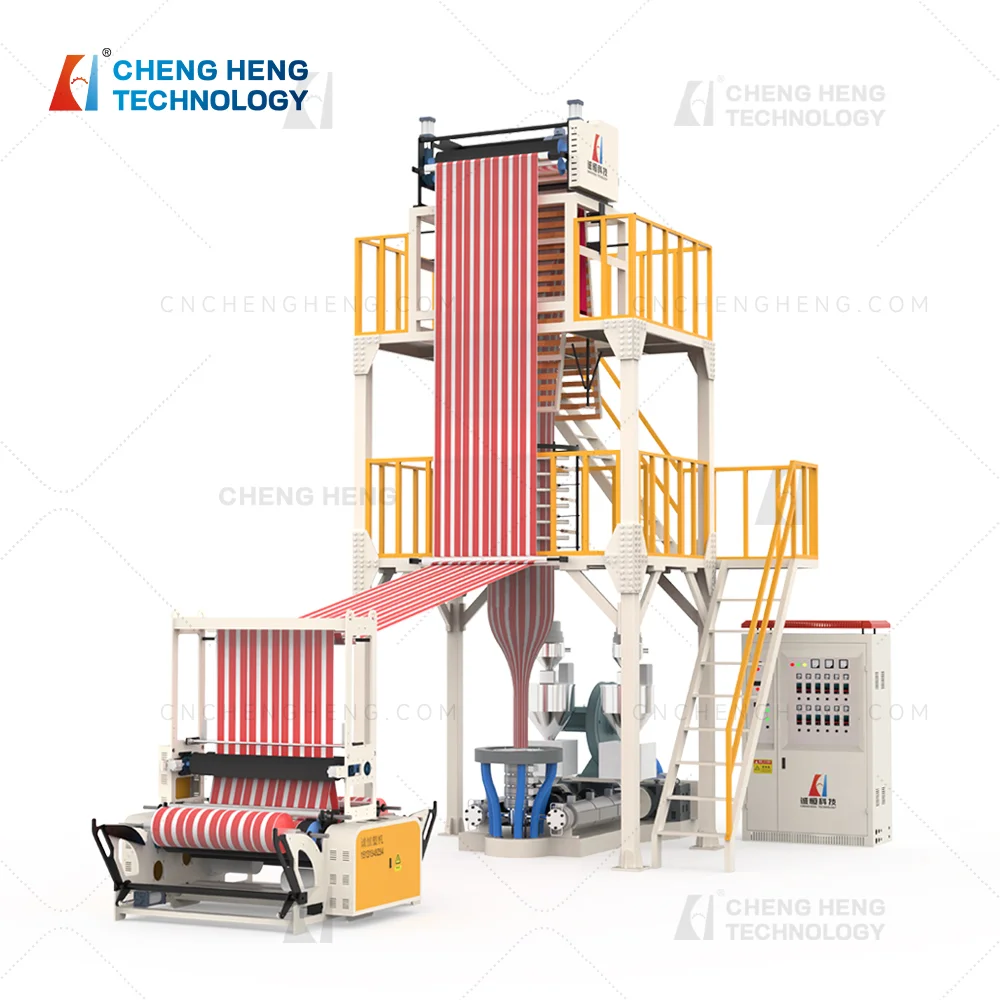
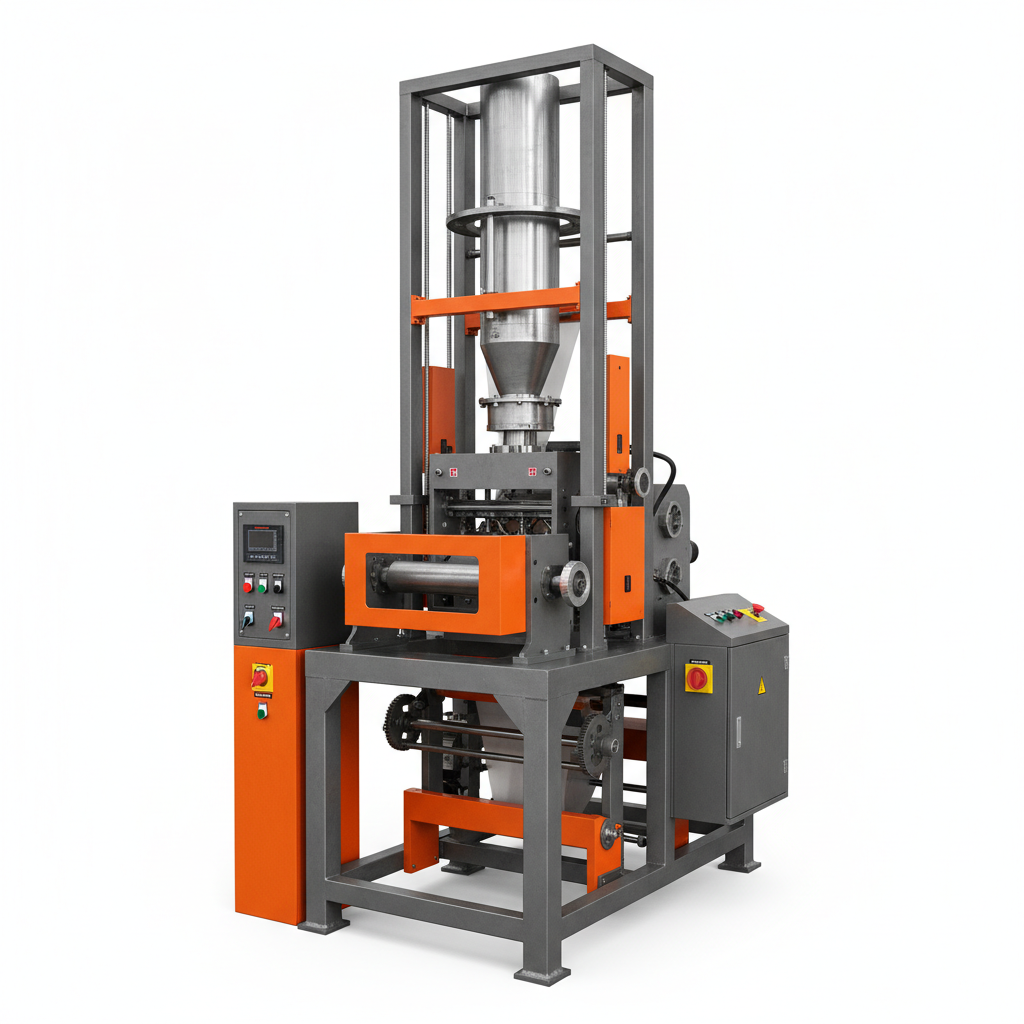
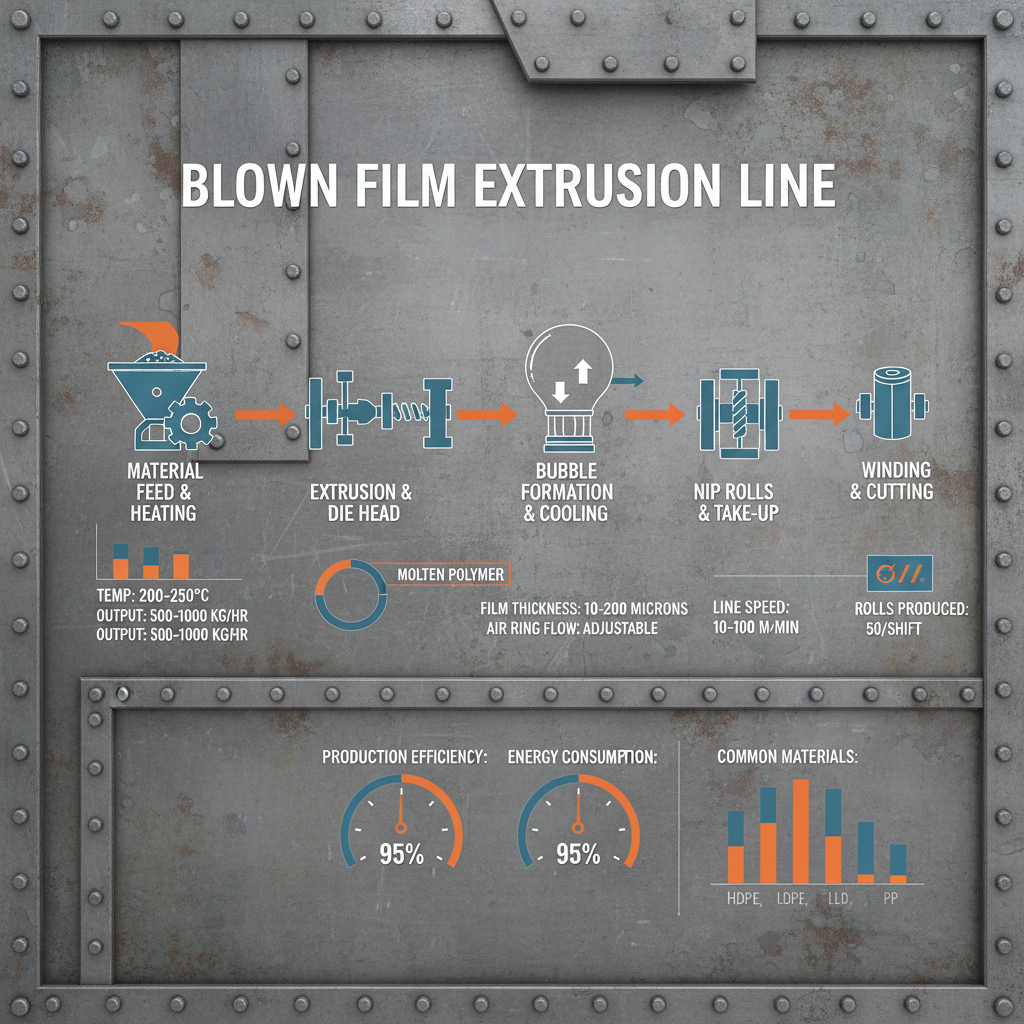
The process begins with plastic resin, typically polyethylene (PE), polypropylene (PP), or polyvinyl chloride (PVC), which is fed into an extruder. The extruder melts the resin and forces it through a circular die. As the molten plastic emerges from the die, it's inflated with compressed air, forming a bubble. This bubble is then drawn upwards and cooled, resulting in a thin, tubular film. The film is then collapsed, flattened, and wound onto rolls. Key components include the extruder, die head, air ring, and winding system. Modern machines often incorporate advanced control systems for precise thickness and width control.
Key Benefits: Efficient production of plastic film, versatility in materials used, and capability for producing films with varying thicknesses and widths.
Types of Blown Film Making Machines
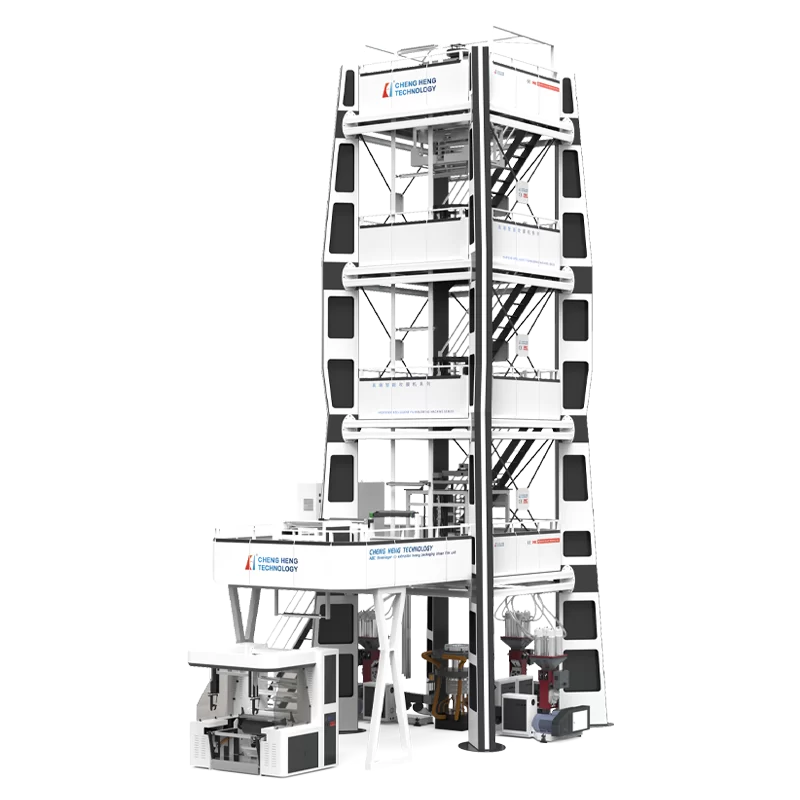
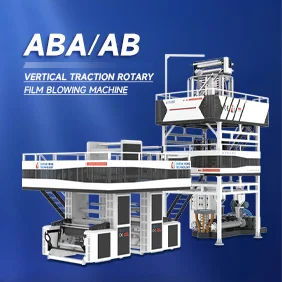
Several types of blown film machines cater to different production needs. These include single-layer machines, designed for producing films with a single material; co-extrusion machines, capable of creating multi-layer films with different properties; and tandem machines, which combine two extruders for increased output. The choice of machine depends on the desired film characteristics, production volume, and budget. CNC HSJ Machinery offers a wide range of machine types to fit various applications.
Machine Type Comparison:
• Single-Layer: Cost-effective for simple film applications.
• Co-Extrusion: Allows for complex film structures with barrier properties.
• Tandem: High output, ideal for large-scale production.
Applications of Blown Film
Blown film finds applications across numerous industries. Packaging is a primary use, including food packaging, industrial packaging, and retail bags. Agricultural films protect crops and enhance yields. Construction utilizes films for vapor barriers and insulation. Medical applications include packaging for sterile products. Furthermore, it's used in the production of liners, shrink wrap, and many other plastic products. CNC HSJ Machinery provides machines capable of producing film for diverse applications.
Factors to Consider When Choosing a Blown Film Machine
Selecting the right blown film machine requires careful consideration of several factors. Production capacity, film width, material type, and required film properties are all crucial. Budget, automation level, and after-sales service also play significant roles. It’s important to assess your current and future production needs to ensure the machine can accommodate growth. CNC HSJ Machinery offers consultation services to help you determine the best machine for your specific requirements.
Maintaining Your Blown Film Machine
Regular maintenance is crucial for ensuring the longevity and optimal performance of your blown film machine. This includes cleaning the die head, checking and replacing wear parts, lubricating moving components, and inspecting electrical connections. Following the manufacturer's recommended maintenance schedule is vital. Preventative maintenance can significantly reduce downtime and extend the machine's lifespan. CNC HSJ Machinery provides comprehensive after-sales support, including maintenance training and spare parts.
Conclusion: Investing in Quality Blown Film Technology
Investing in a high-quality blown film making machine is a crucial step for businesses reliant on plastic film production. The right machine enhances efficiency, improves film quality, and ensures long-term reliability. By partnering with a reputable supplier like CNC HSJ Machinery, you can access cutting-edge technology, expert support, and tailored solutions to meet your specific needs.
Frequently Asked Questions (FAQs)
What types of plastic resins can be used in a blown film machine?
Most blown film machines are versatile and can handle a variety of plastic resins, including Polyethylene (PE) – Low-Density (LDPE), Linear Low-Density (LLDPE), and High-Density (HDPE); Polypropylene (PP); and Polyvinyl Chloride (PVC). The choice of resin depends on the desired film properties, such as strength, clarity, and barrier characteristics. Some machines can also process specialized resins like EVOH and biodegradable plastics. It’s crucial to ensure the machine is properly configured for the specific resin being used.
What is the role of the air ring in a blown film machine?
The air ring is a critical component that regulates the cooling and stabilization of the plastic bubble as it exits the die. It blows a uniform stream of air onto the bubble's surface, reducing its temperature and setting its diameter. Proper air ring design and adjustment are crucial for achieving consistent film thickness and clarity. The air ring's temperature and airflow are typically adjustable to optimize cooling for different resins and film thicknesses.
How can I ensure consistent film thickness?
Maintaining consistent film thickness requires precise control over several parameters. These include the extruder screw speed, die pressure, air ring temperature and airflow, and haul-off speed. A well-maintained and calibrated machine, coupled with experienced operators, is essential. Automated control systems can significantly improve thickness consistency by continuously monitoring and adjusting these parameters. CNC HSJ Machinery's machines offer advanced control systems for optimal thickness control.
What is the typical output speed of a blown film machine?
The output speed of a blown film machine varies depending on factors such as the machine type, film thickness, material being processed, and film width. Generally, output speeds range from 50 to 500 meters per minute. Tandem machines and those with advanced automation typically achieve higher output rates. When assessing a machine, consider the required production volume to ensure it meets your needs.