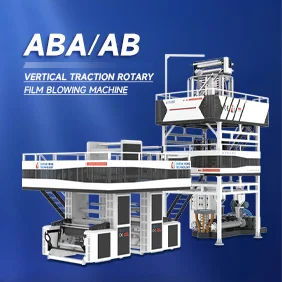
Understanding and Optimizing Production with a Blown Film Extruder System
Understanding Blown Film Extruders: A Comprehensive Guide
Blown film extruders are essential machinery in the plastics industry, used to create a wide array of plastic film products, from packaging to agricultural films. This article will delve into the mechanics of blown film extrusion, the factors influencing extruder selection, common applications, and the latest innovations in the field. We'll explore how choosing the right blown film extruder can optimize production efficiency and product quality. Proper understanding and selection of the correct technology is paramount to success in today's competitive market.
How Blown Film Extrusion Works: A Step-by-Step Process
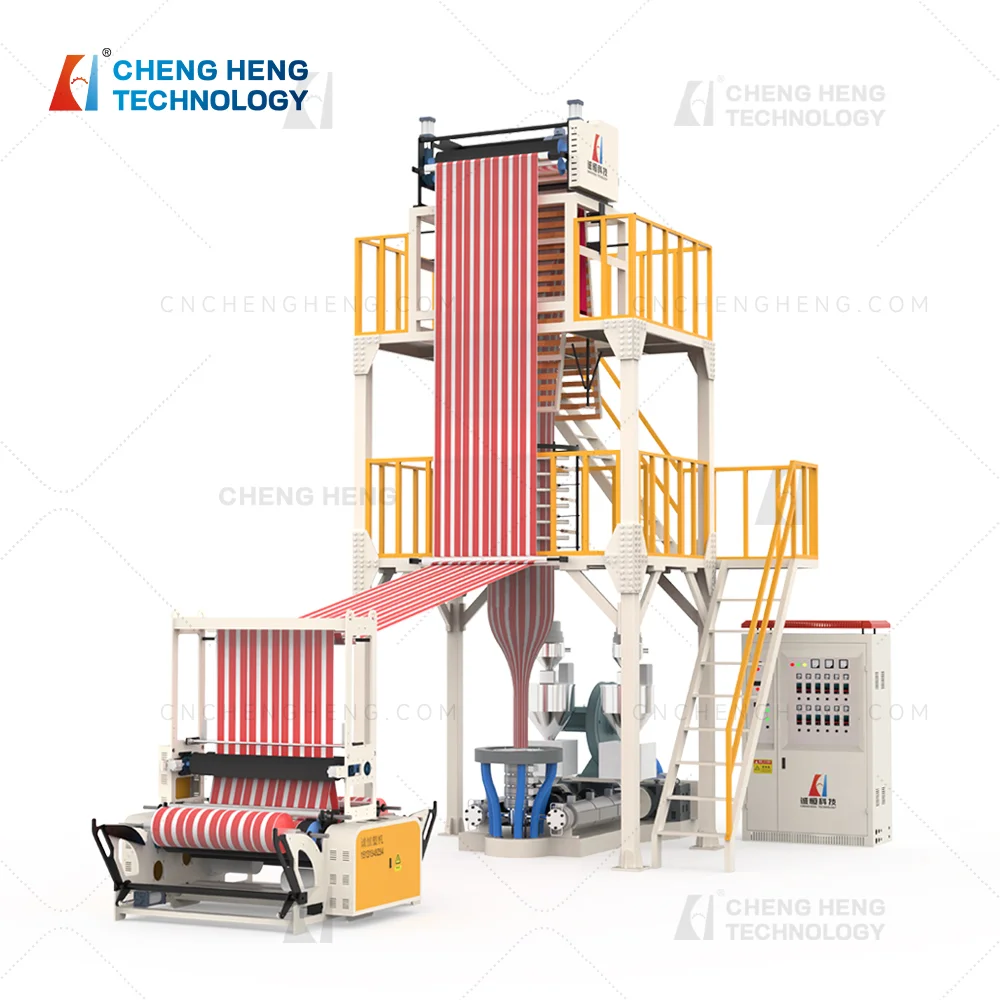
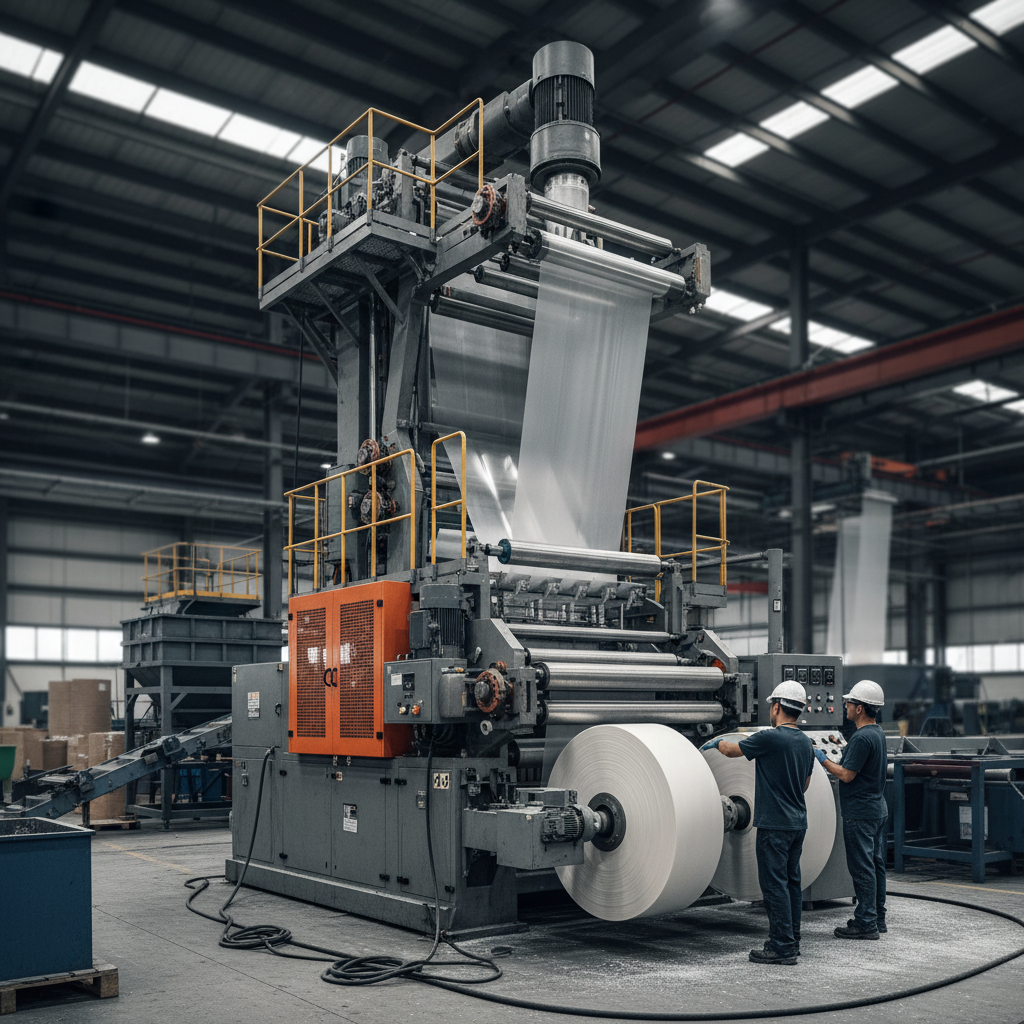
The blown film extrusion process begins with plastic resin, typically polyethylene (PE), polypropylene (PP), or polyvinyl chloride (PVC), being fed into a hopper. The resin is then conveyed to an extruder, where it's heated and melted. The molten plastic is forced through a circular die, forming a tube. Air is simultaneously blown into the tube, inflating it like a balloon. As the film is inflated, it's stretched both vertically and horizontally, reducing its thickness and increasing its width. This stretching process enhances the film's mechanical properties. Finally, the inflated film is cooled and flattened, then wound onto rolls. Understanding this process is fundamental to operating and maintaining a blown film extruder effectively.
Key Benefits: High production rates, versatility in film thickness and width, ability to process a variety of resins, cost-effective for large-scale production.
Key Components of a Blown Film Extruder
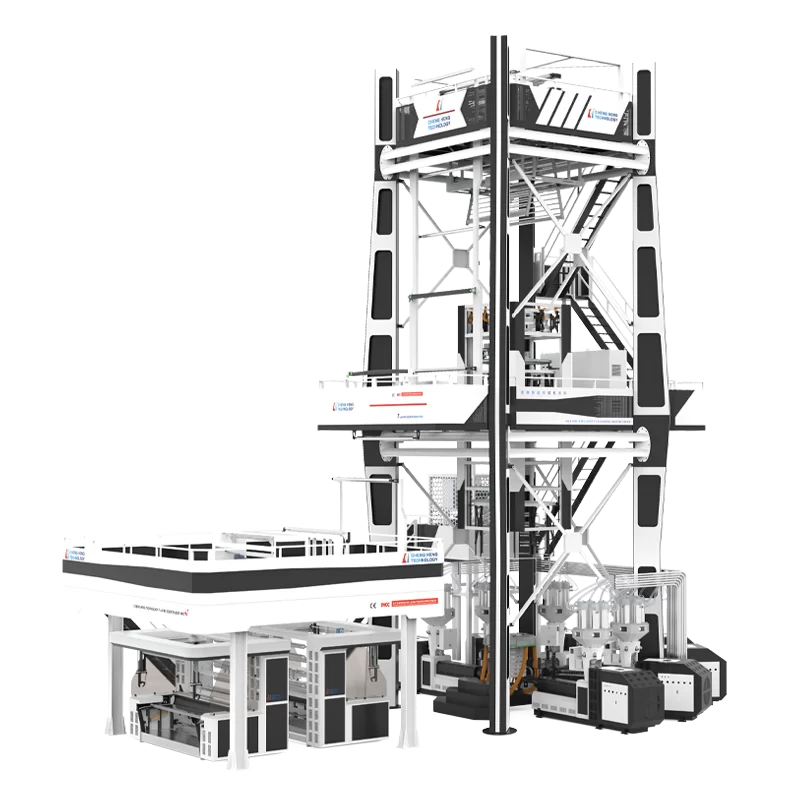
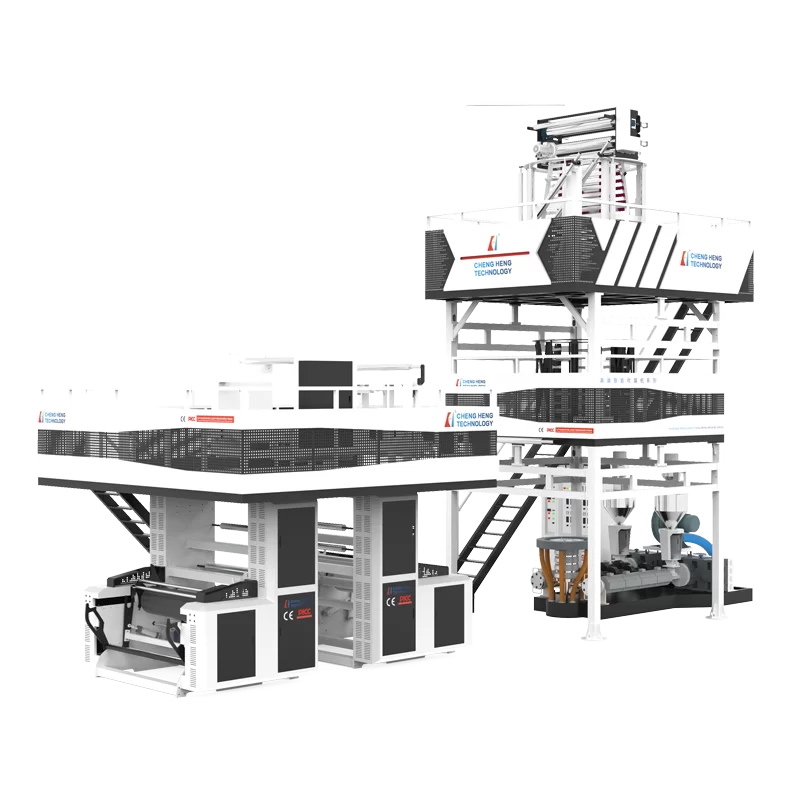
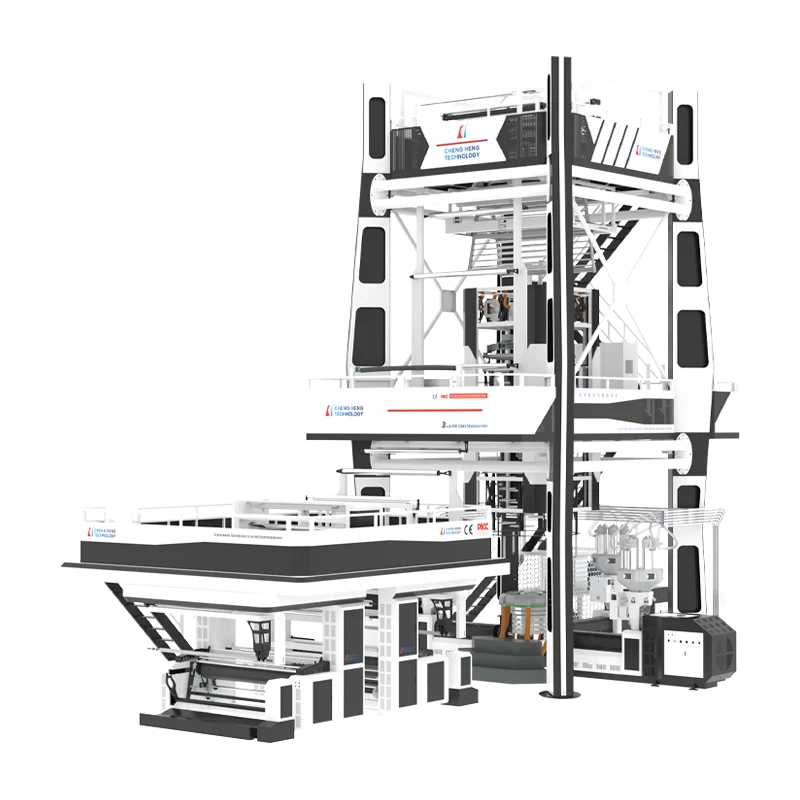
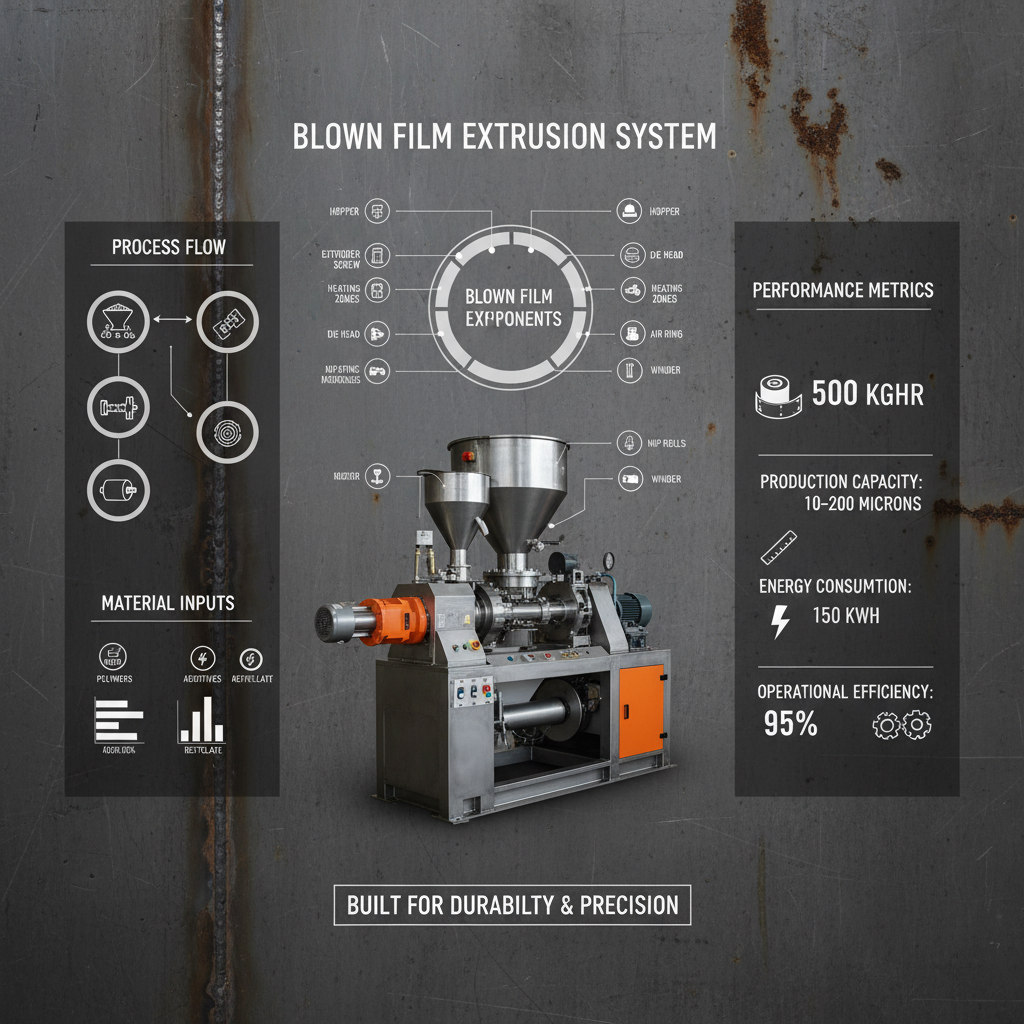
A blown film extruder consists of several critical components. The extruder itself comprises a screw, barrel, and heating zones. The die determines the film's diameter and shape. The air ring provides the necessary airflow for inflation. A collapsing unit (typically using rollers) flattens the film. The take-up unit winds the finished film onto rolls. Finally, control systems monitor and regulate the entire process. The quality of each component directly impacts the overall performance and reliability of the extruder. Regular maintenance of these components is crucial for ensuring consistent film quality and minimizing downtime.
Critical Components Explained:
• Extruder Screw: Conveys and melts the plastic resin.
• Die: Forms the initial tube shape of the film.
• Air Ring: Inflates the film to the desired diameter.
• Collapsing Unit: Flattens the film for winding.
Choosing the Right Blown Film Extruder for Your Needs
Selecting the appropriate blown film extruder involves considering several factors, including desired film thickness, width, production volume, and the type of resin being processed. Single-layer extruders are suitable for basic packaging applications, while multi-layer extruders are necessary for films requiring barrier properties or specialized functionalities. The extruder's output capacity (kilograms per hour) must align with your production demands. Furthermore, automation features and control systems significantly impact efficiency and consistency.
Applications of Blown Film Extruded Products
Blown film extrusion finds applications across numerous industries. Packaging is the largest market, including food packaging, industrial packaging, and retail bags. Agriculture utilizes blown film for greenhouse covers, mulch films, and silage wraps. Construction uses it for vapor barriers and protective sheeting. Medical applications include sterile packaging and fluid bags. The versatility of the process allows for customized film properties to meet specific application requirements. CNCHSJ offers solutions for a diverse range of applications.
Future Trends and Innovations in Blown Film Extrusion
The blown film extrusion industry is constantly evolving. Current trends include a focus on sustainability, with increased use of recycled materials and biodegradable resins. Advanced control systems utilizing artificial intelligence (AI) are optimizing process parameters for improved efficiency and quality. The development of thinner, higher-performance films is reducing material consumption and enhancing product functionality. Furthermore, advancements in die technology are enabling the production of films with more complex structures and properties. CNCHSJ remains at the forefront of these innovations.
Conclusion: Investing in Advanced Blown Film Technology
Investing in a high-quality, technologically advanced blown film extruder is a crucial step towards optimizing your production processes, enhancing product quality, and achieving sustainable manufacturing practices. Partnering with a reputable supplier like CNCHSJ ensures access to cutting-edge technology, reliable support, and customized solutions tailored to your specific needs.
Frequently Asked Questions (FAQs)
What types of plastic resins can be processed by a blown film extruder?
Blown film extruders are versatile and can handle a wide variety of thermoplastic resins. The most commonly used materials include polyethylene (PE), such as low-density polyethylene (LDPE), linear low-density polyethylene (LLDPE), and high-density polyethylene (HDPE). Polypropylene (PP) is another popular choice, offering good strength and heat resistance. Polyvinyl chloride (PVC) and ethylene-vinyl acetate (EVA) are also frequently processed. The choice of resin depends on the desired film properties and application requirements. CNCHSJ extruders are designed to handle a broad range of resin types efficiently.
What is the typical production speed of a blown film extruder?
Production speed varies significantly depending on factors such as resin type, film thickness, film width, and extruder configuration. Generally, modern blown film extruders can achieve production speeds ranging from 50 to 300 meters per minute. Higher output rates are possible with advanced control systems and optimized process parameters. The specific speed achievable will depend on the desired film quality and the capabilities of the equipment. CNCHSJ focuses on maximizing output without compromising quality.
What maintenance is required for a blown film extruder?
Regular maintenance is crucial for ensuring the longevity and optimal performance of a blown film extruder. Key maintenance tasks include cleaning the die, screw, and barrel, inspecting and replacing wear parts (such as screws and heating elements), lubricating moving parts, and checking the air ring and cooling system. Preventive maintenance schedules should be followed to avoid costly downtime and repairs. CNCHSJ provides comprehensive maintenance support and spare parts.
How can I improve the quality of the blown film I produce?
Improving film quality requires careful control of several process parameters. Maintaining consistent resin temperature, optimizing airflow from the air ring, ensuring proper cooling, and controlling the haul-off speed are all critical. Regularly inspecting the die for wear and tear is also important. Investing in advanced control systems and automation can significantly enhance film quality and consistency. CNCHSJ’s extruders are equipped with advanced features to optimize film quality.