Comprehensive Guide to Blown Film Extruder Machine Technology and Applications
Understanding Blown Film Extruder Machines: A Comprehensive Guide
Blown film extruder machines are critical equipment in the plastics industry, used to create a wide variety of plastic film products. From packaging materials to agricultural films, these machines are essential for modern manufacturing. This article will explore the intricacies of blown film extrusion, covering its principles, components, applications, and the key considerations when selecting a machine. We'll also highlight how CNCHSJ provides innovative solutions in this field. Choosing the right machine is a significant investment, and understanding the technology is paramount for optimal performance and profitability.
The Fundamentals of Blown Film Extrusion
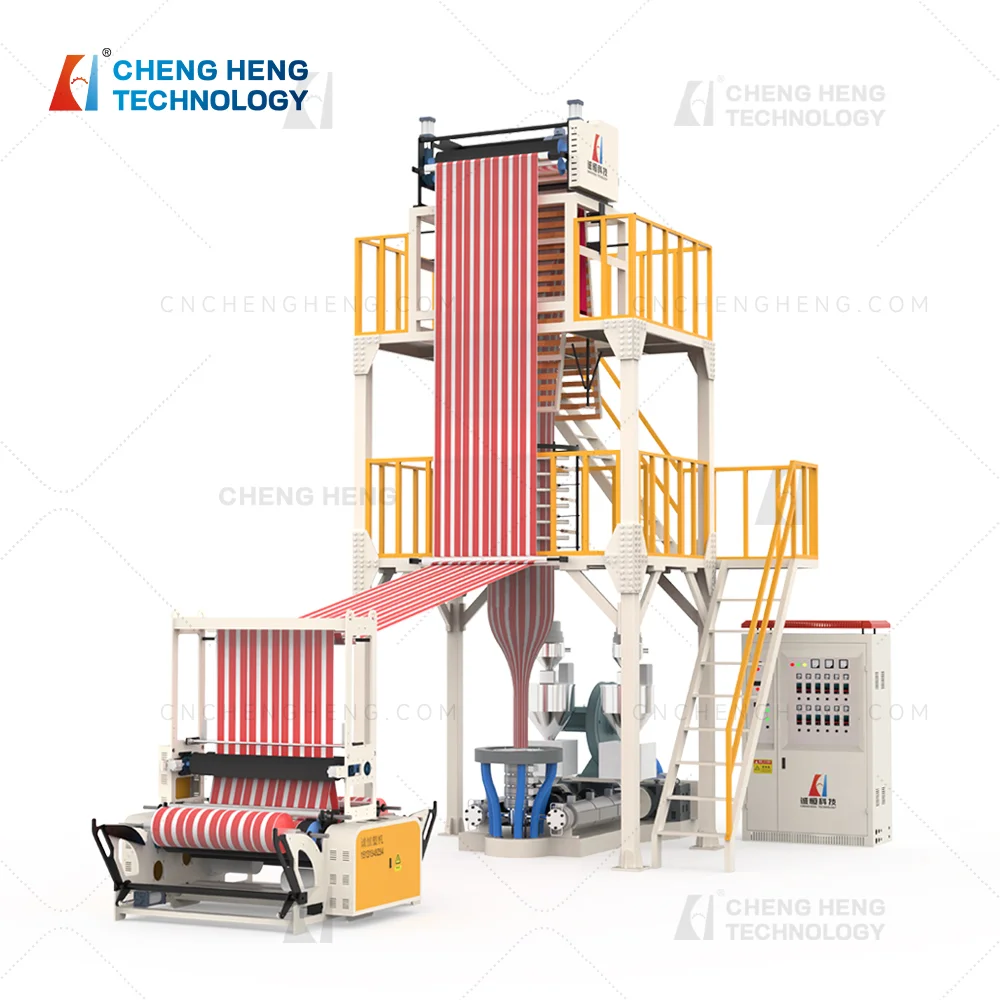
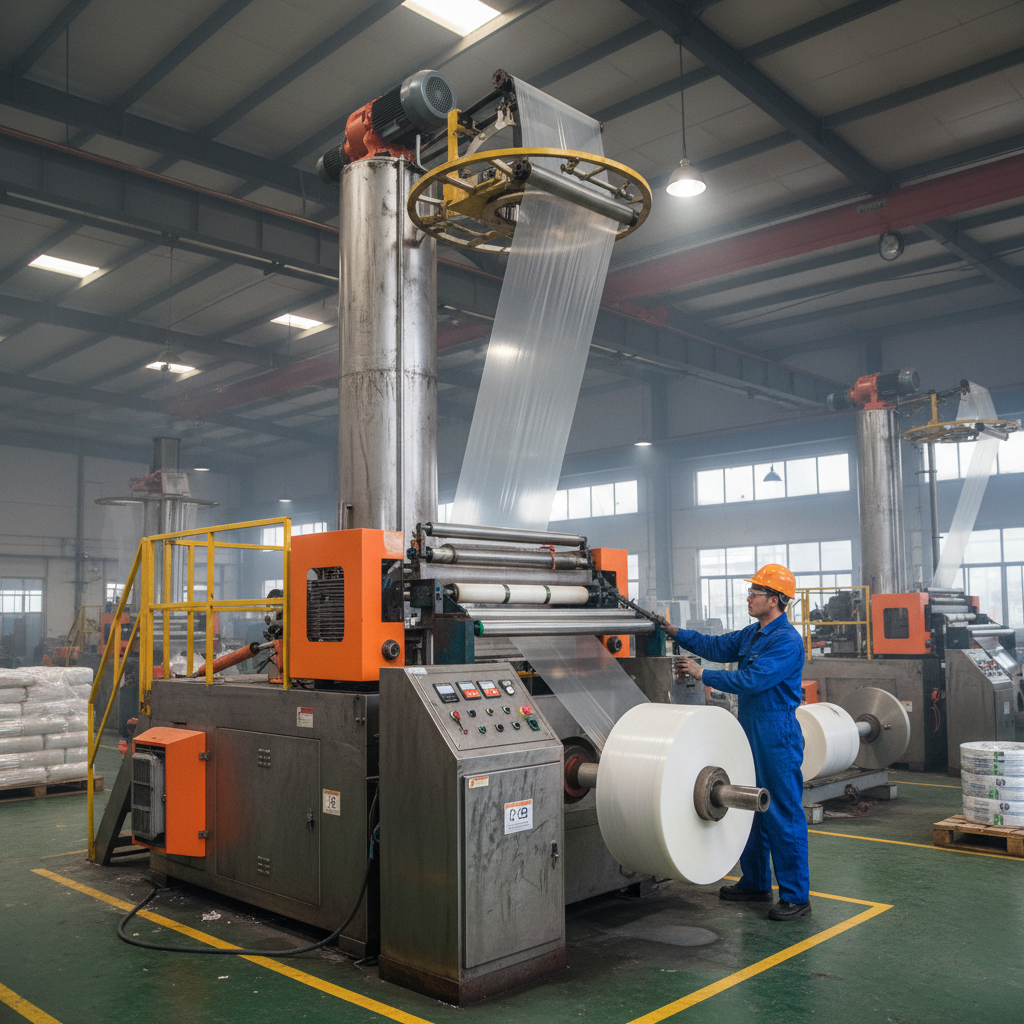
The blown film extrusion process involves melting plastic resin and extruding it through a circular die to form a tube. This tube is then inflated with air, stretching it both vertically and horizontally to achieve the desired thickness and width. The inflated film is then cooled, collapsed, and wound onto a roll. Key factors influencing the quality of the film include the die design, air ring efficiency, cooling system, and haul-off speed. The process is highly versatile and can be used with a wide range of polymers, including polyethylene (PE), polypropylene (PP), and polyvinyl chloride (PVC). Understanding these fundamentals is essential for operating and maintaining a blown film extruder machine efficiently.
Key Highlights: Versatile process applicable to a wide range of polymers, allowing for production of diverse film types. Precise control of parameters is critical for achieving desired film properties.
Key Components of a Blown Film Extruder Machine
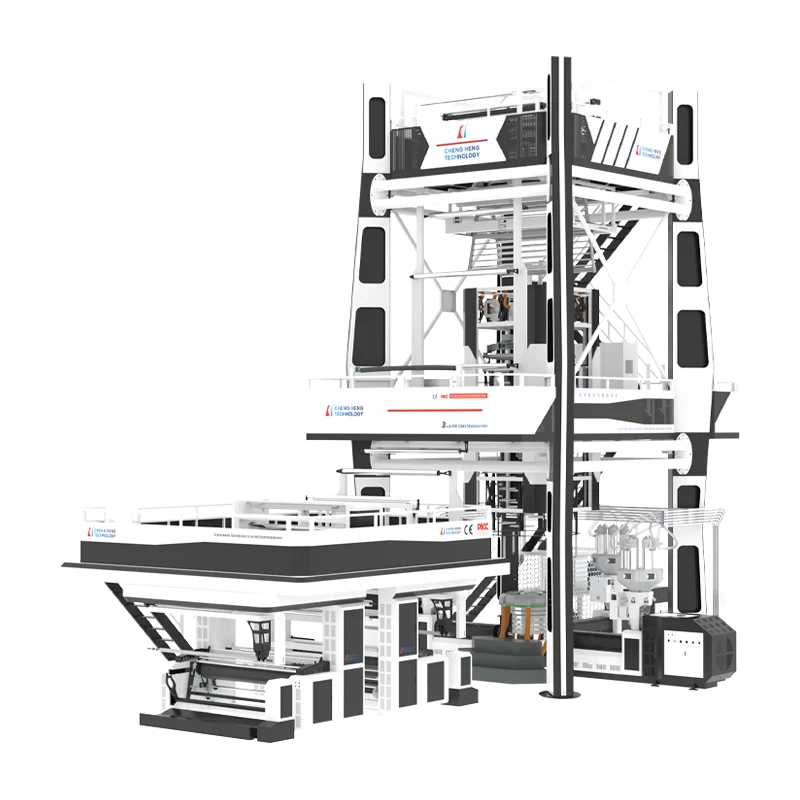
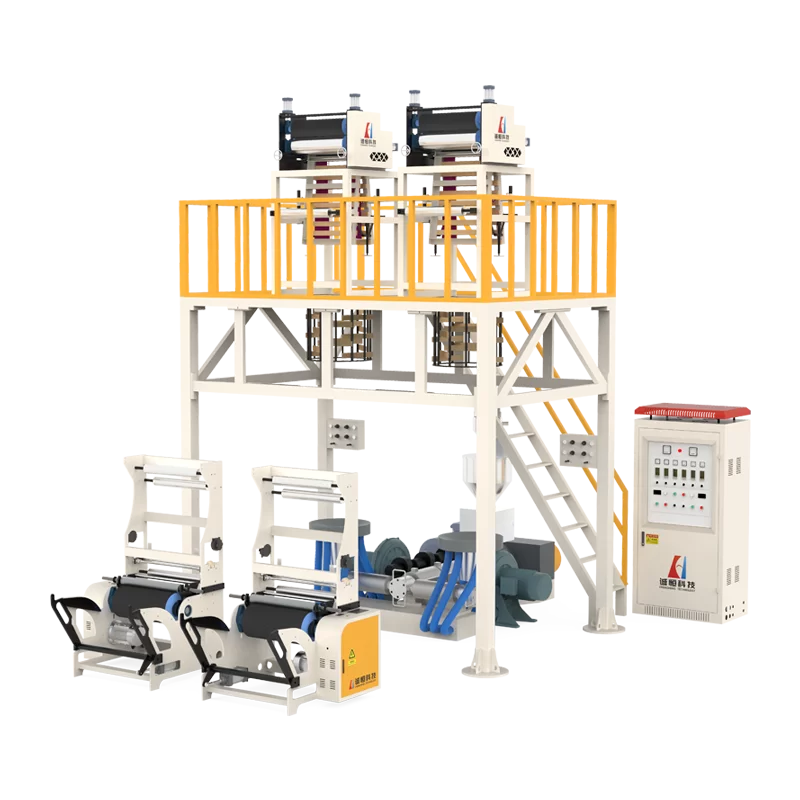
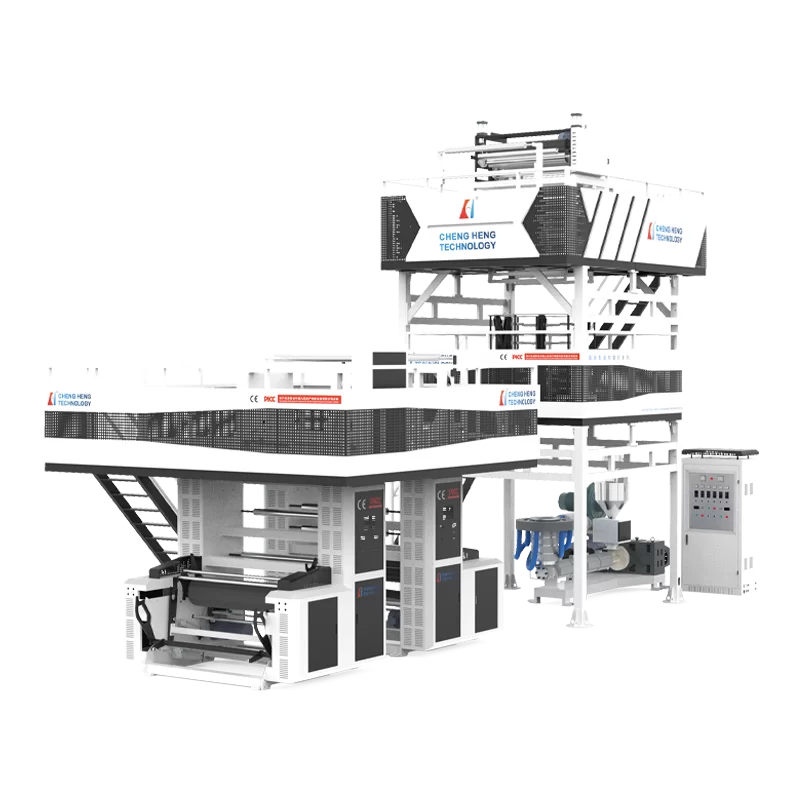
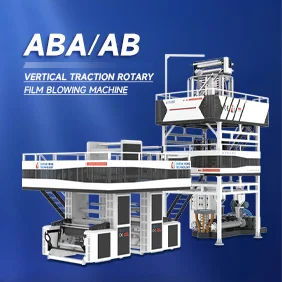
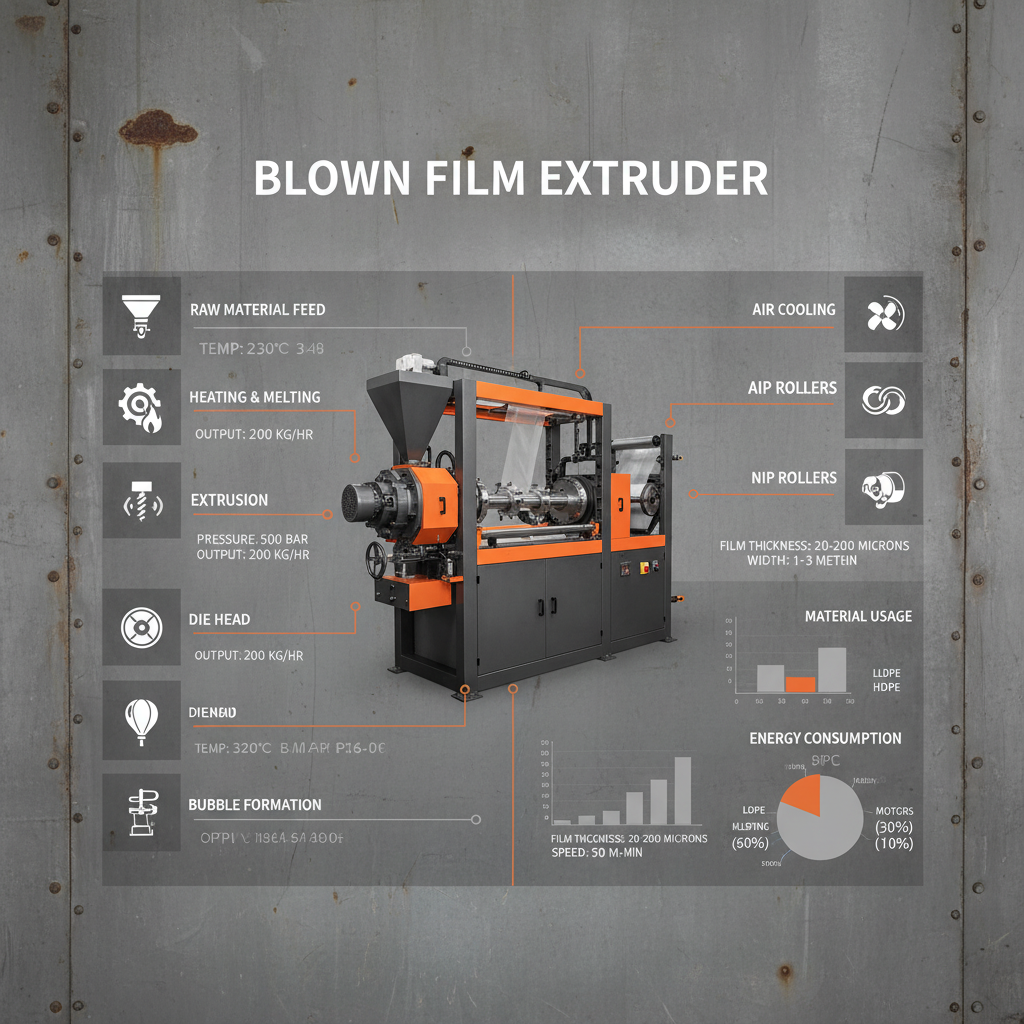
A blown film extruder machine consists of several key components working in harmony. These include the extruder, die head, air ring, cooling system (typically including air knives), haul-off unit, and winding system. The extruder melts the plastic resin, while the die head shapes it into a tube. The air ring cools the film bubble, and the haul-off unit controls the film’s upward speed. The winding system then rolls up the finished film. Each component plays a vital role in ensuring the quality and consistency of the final product. CNCHSJ focuses on optimizing each of these components for superior performance.
Essential Components:
• Extruder: Melts and conveys the plastic resin.
• Die Head: Forms the molten plastic into a tubular shape.
• Air Ring: Cools and stabilizes the film bubble.
• Cooling System: Further reduces film temperature for optimal handling.
Blown Film Extruder Machine Types and Their Applications
Different types of blown film extruder machines cater to specific applications and production volumes. Single-layer extruders are suitable for simple film structures, while multi-layer extruders allow for the creation of films with enhanced properties like barrier protection and strength. Co-extrusion, a technique used in multi-layer extrusion, involves simultaneously extruding multiple layers of different polymers to achieve desired functionalities. Choosing the appropriate machine depends on the intended application – packaging, agricultural film, construction film, or specialty films. CNCHSJ offers a comprehensive range of machines to meet diverse needs.
Selecting the Right Blown Film Extruder Machine: Key Considerations
Choosing the right blown film extruder machine involves careful consideration of several factors. Production volume, film thickness, material type, and desired film properties all play a crucial role. Machine automation, control systems, and energy efficiency are also important aspects. Consider your long-term needs and growth potential when making a decision. Partnering with a reputable supplier like CNCHSJ ensures you receive expert guidance and reliable equipment.
Innovations and Future Trends in Blown Film Extrusion
The blown film extrusion industry is continuously evolving. Recent innovations include advanced control systems for precise film thickness and width control, energy-efficient designs to reduce operating costs, and the development of new materials with improved properties. The demand for sustainable packaging solutions is driving the adoption of bio-based polymers and recycling technologies. CNCHSJ is committed to staying at the forefront of these advancements.
Conclusion: Investing in Quality Blown Film Extrusion Technology
Investing in a high-quality blown film extruder machine is crucial for success in the plastics industry. By understanding the fundamentals of the process, considering your specific needs, and partnering with a reliable supplier like CNCHSJ, you can optimize your production efficiency and achieve superior film quality. Don't compromise on technology – invest in the future of your business.
Frequently Asked Questions (FAQs)
What maintenance is required for a blown film extruder machine?
Regular maintenance is vital to ensure the longevity and optimal performance of your machine. This includes daily cleaning of the die head and air ring, periodic inspection and replacement of wear parts (like screws and barrels), lubrication of moving components, and regular checks of the cooling system. Following the manufacturer's recommended maintenance schedule is crucial. Neglecting maintenance can lead to costly downtime and reduced film quality. CNCHSJ provides comprehensive maintenance support and spare parts.
What materials can be processed using blown film extrusion?
Blown film extrusion is compatible with a wide range of thermoplastic polymers. Common materials include polyethylene (LDPE, HDPE, LLDPE), polypropylene (PP), polyvinyl chloride (PVC), and polyethylene terephthalate (PET). The choice of material depends on the desired film properties and application. Multi-layer extruders can process combinations of different materials to achieve specific performance characteristics. CNCHSJ machines are designed to handle various materials efficiently.
How does automation impact blown film extrusion efficiency?
Automation significantly enhances efficiency in blown film extrusion. Automated systems control parameters like film thickness, width, and tension, ensuring consistent quality and reducing waste. Automatic winding systems minimize manual labor and increase production speed. Advanced control systems can also detect and correct defects in real-time, further improving efficiency. CNCHSJ offers machines with varying levels of automation to suit different production requirements.