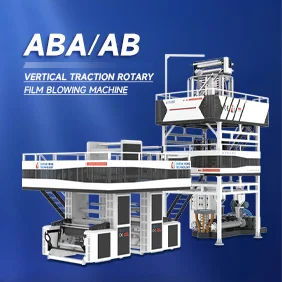
Comprehensive Guide to ABA Blown Film Machine Technology and Applications
Understanding the ABA Blown Film Machine: A Comprehensive Guide
The ABA blown film machine is a cornerstone of modern plastic packaging production. It's utilized globally for creating a diverse range of films crucial to industries from food packaging to agricultural applications. This article provides an in-depth exploration of ABA blown film machines, their functionality, applications, benefits, and considerations when choosing the right machine for your business. We'll cover everything you need to know, from the basic operational principles to advanced features.
What is an ABA Blown Film Machine?
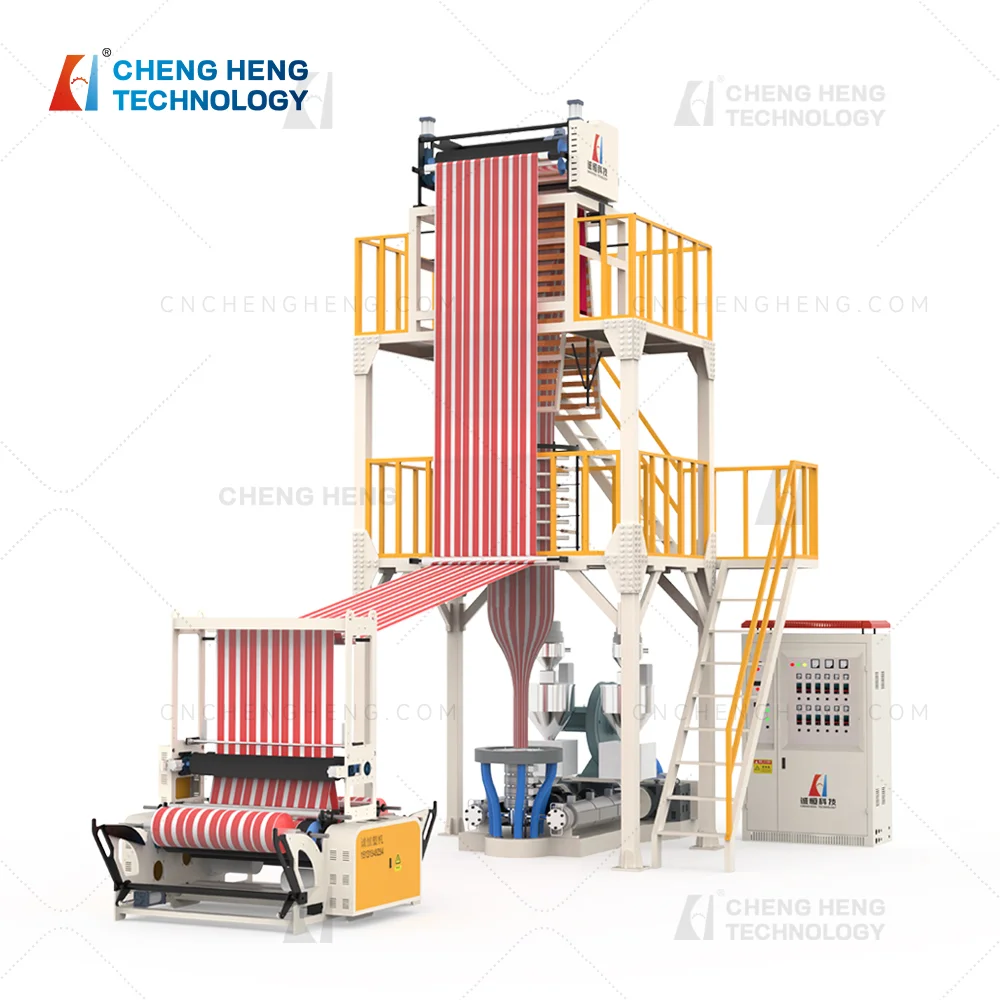
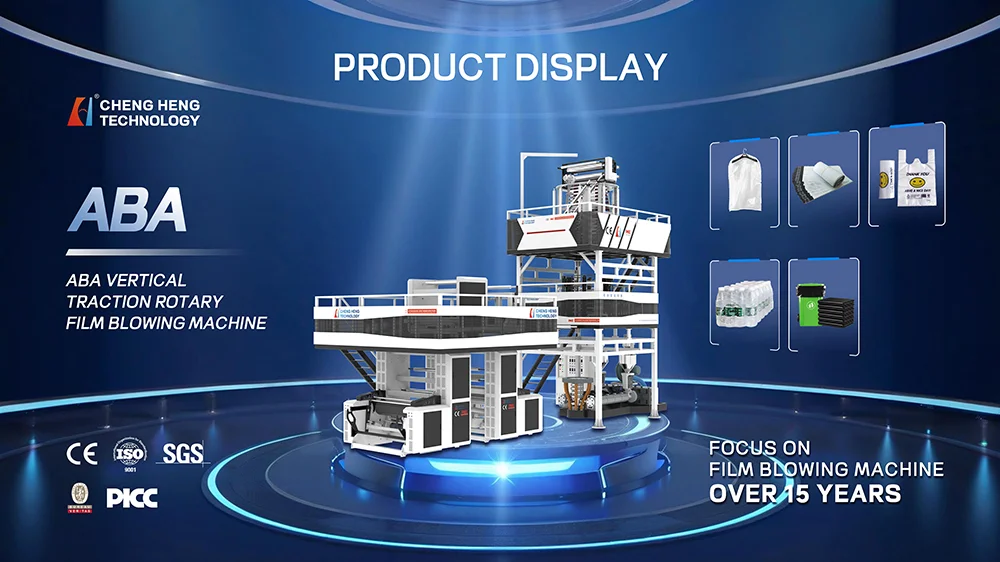
An ABA blown film machine is designed to create three-layer plastic films, commonly referred to as ABA film. This construction involves an outer layer (A) providing strength and printability, a middle layer (B) offering barrier properties, and another outer layer (A) for added protection. The process involves melting plastic resin, extruding it through a circular die, inflating it into a bubble, and then cooling and flattening it into a film. The 'ABA' configuration allows for combining different polymer properties in a single film, optimizing performance for specific applications. This layering technique is critical for achieving the desired film characteristics, such as improved tensile strength, barrier protection against gases and moisture, and enhanced aesthetic appeal.
Key Benefit: The ABA structure creates a film offering the best of both worlds – strength, barrier properties, and printability – making it exceptionally versatile for various packaging needs.
Applications of ABA Blown Film
The versatility of ABA film, produced by an ABA blown film machine, leads to widespread applications across diverse industries. These include: food packaging (snacks, confectionery, frozen foods), agricultural films (mulch film, greenhouse covers), industrial packaging (liners, protective wraps), and medical packaging (sterile pouches, medical device wraps). The ability to customize the materials used in each layer makes it suitable for specialized requirements like high barrier protection for oxygen-sensitive foods or UV resistance for agricultural films. The demand for ABA film continues to grow as manufacturers seek high-performance, cost-effective packaging solutions.
Common ABA Film Applications:
• Food Packaging
• Agricultural Films
• Industrial Packaging
• Medical Packaging
ABA Blown Film Machine vs. Single-Layer & Two-Layer Machines
While single and two-layer blown film machines are more basic, the ABA machine offers significant advantages. Single-layer films lack the specialized properties achievable with co-extrusion. Two-layer films provide some enhancement but fall short of the balanced performance of ABA films. The ABA machine enables creating films with superior barrier properties, strength, and sealability. However, it comes with a higher initial investment and more complex operation. The choice depends on your specific packaging needs and budget. Investing in an ABA blown film machine often yields a better return in the long run for applications requiring high-performance films.
Key Components of an ABA Blown Film Machine
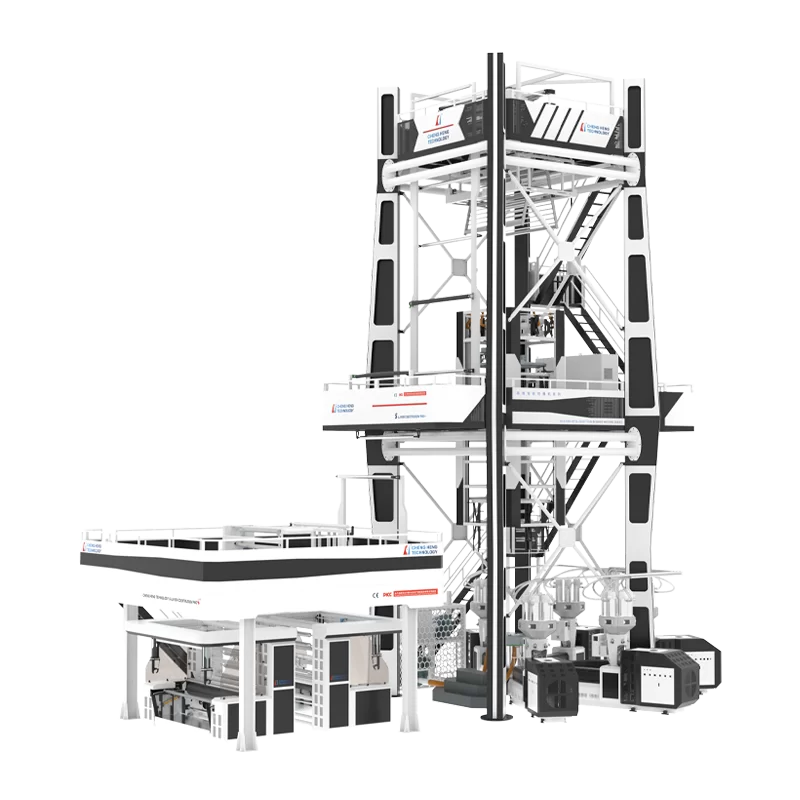
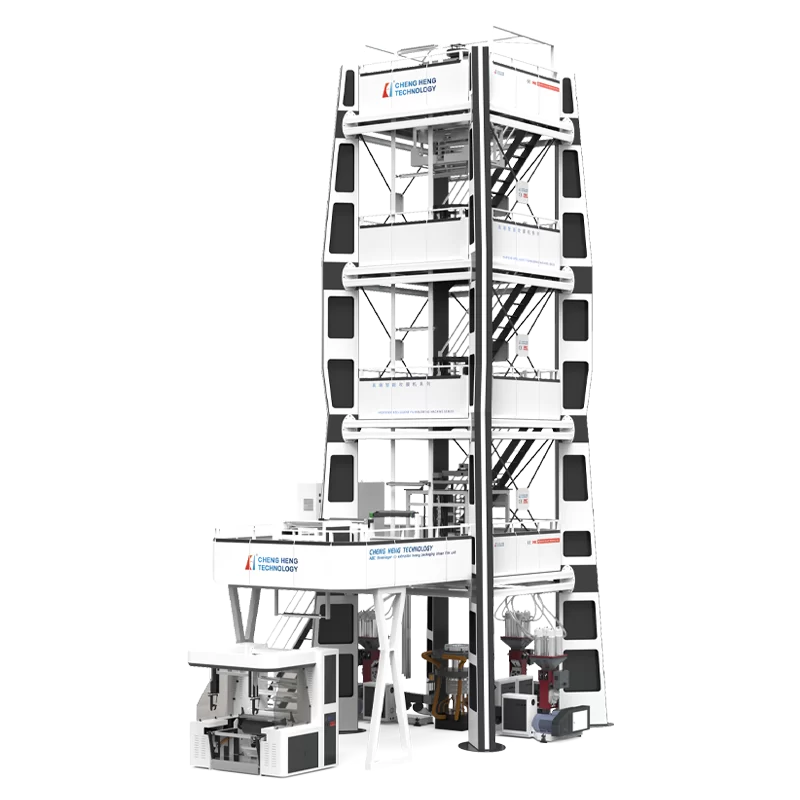
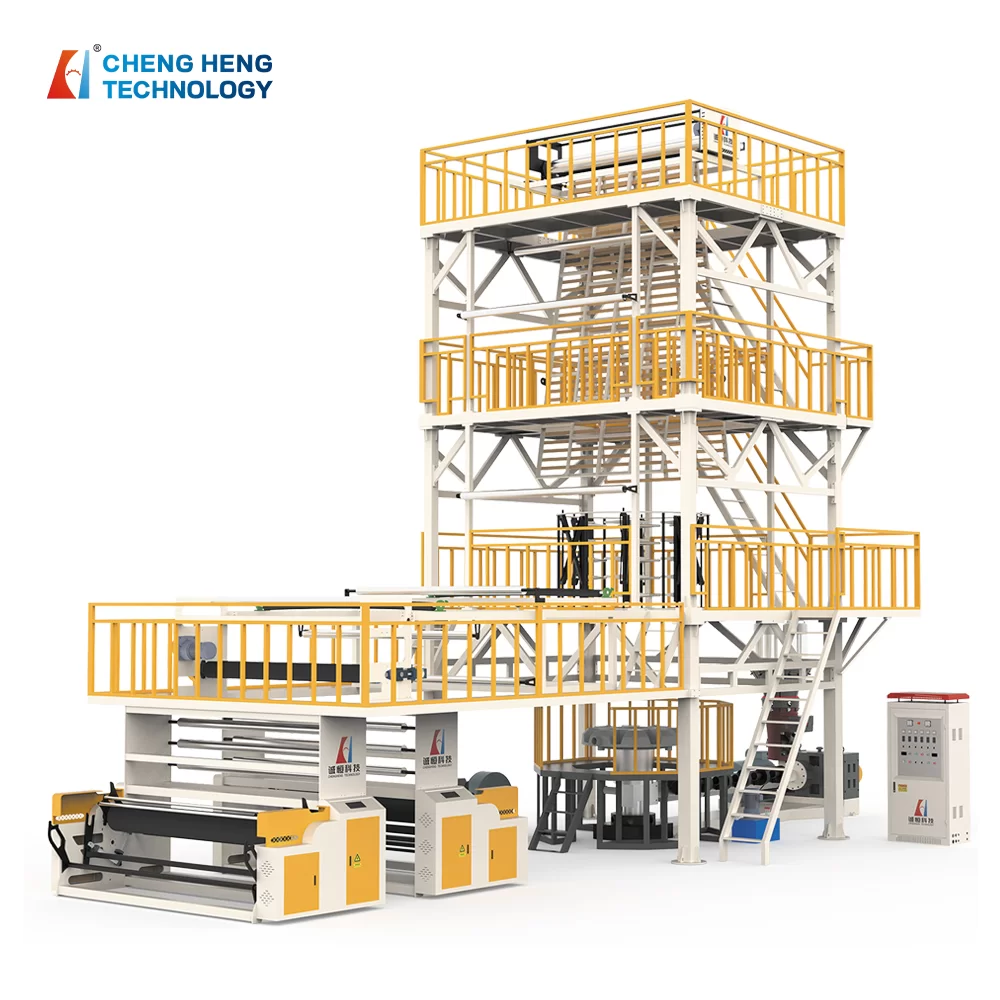
An ABA blown film machine comprises several key components working in unison. These include the extruder (melting and delivering the plastic), the die head (shaping the molten plastic into a bubble), the air ring (cooling the bubble), the collapsing frame (flattening the bubble into a film), and the winding system (rolling the film onto a core). Modern machines also incorporate sophisticated control systems for precise temperature regulation, film thickness control, and automatic width adjustment. Choosing a machine with high-quality components ensures reliability and consistent film production.
Choosing the Right ABA Blown Film Machine: Key Considerations
Selecting the optimal ABA blown film machine requires careful consideration of several factors. These include your production volume, the types of materials you'll be processing, the desired film width and thickness, and your budget. It's also crucial to assess the machine's automation level, energy efficiency, and after-sales support offered by the manufacturer. CNCHSJ provides a wide range of ABA blown film machines, tailored to meet diverse production requirements. We offer expert guidance and support to help you make the best investment for your business.
Conclusion: Optimizing Packaging with ABA Technology
The ABA blown film machine is a vital asset for any packaging operation seeking high-performance, versatile film solutions. Its ability to combine diverse material properties delivers superior protection, strength, and printability. Investing in quality machinery and understanding your specific packaging requirements are key to maximizing efficiency and profitability.
Frequently Asked Questions (FAQs)
What types of plastic resins can be used in an ABA blown film machine?
ABA blown film machines are incredibly versatile and can process a wide variety of thermoplastic resins, including polyethylene (PE), polypropylene (PP), and ethylene-vinyl acetate (EVA). The choice of resin depends on the desired film properties. For example, LDPE is often used for its flexibility, while PP offers higher temperature resistance. The middle layer can utilize barrier resins like EVOH or polyamide to enhance gas and moisture protection. It’s crucial to consult the machine manufacturer's guidelines to ensure compatibility with specific resins.
What is the typical production speed of an ABA blown film machine?
Production speed varies significantly based on factors like film thickness, width, resin type, and machine model. Generally, modern ABA blown film machines can achieve production speeds ranging from 50 to 200 meters per minute. Higher speeds often require more sophisticated control systems and higher machine capacity. CNCHSJ offers machines optimized for both high-volume and specialized production runs.
What maintenance is required for an ABA blown film machine?
Regular maintenance is crucial for ensuring optimal performance and longevity. Key maintenance tasks include cleaning the die head, checking and replacing wear parts (screws, barrels, heating elements), lubricating moving parts, and inspecting the control system. Preventative maintenance schedules, as recommended by the manufacturer, should be strictly followed. Proper maintenance minimizes downtime and extends the machine's lifespan.
What safety features should I look for in an ABA blown film machine?
Safety is paramount. Look for machines equipped with features like emergency stop buttons, safety guards around moving parts, overload protection for motors, and temperature alarms. A well-designed machine should also include interlocks that prevent operation if safety guards are removed. Proper operator training on safety procedures is equally important.