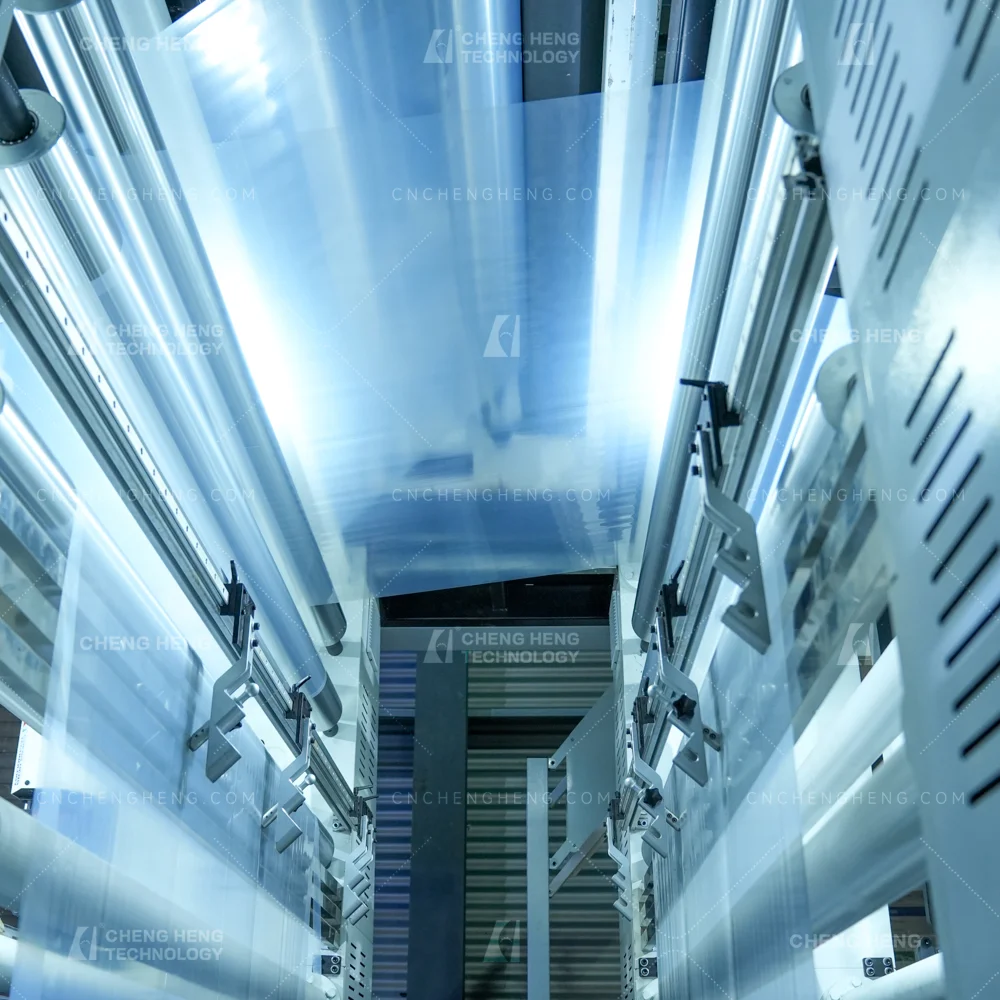
The global packaging industry has undergone a massive transformation, with extruder film technology sitting at the heart of this evolution. As consumer demand for lightweight, durable, and high-barrier packaging grows, the precision of blown film extrusion has become a critical competitive advantage for manufacturers worldwide. Understanding the nuances of how these films are produced allows businesses to optimize material usage and enhance product shelf-life.
From a technical perspective, the efficiency of an extruder film system depends on the synergy between heat control, screw design, and air ring stabilization. Whether it is a single-layer line for basic bags or a complex multi-layer ABC machine for high-end food packaging, the goal remains the same: achieving a consistent gauge and superior mechanical properties. This balance is what defines the quality of the final output in modern plastic processing.
Beyond mere production, the shift toward sustainability is redefining the role of extruder film. With the integration of biodegradable resins and recycled polymers, the industry is moving toward a circular economy. This guide explores the technical foundations, global applications, and future innovations of film extrusion, providing a comprehensive roadmap for operators and investors in the specialized equipment sector.
Global Industry Context of Extruder Film
On a global scale, the reliance on extruder film has grown exponentially due to the rise of e-commerce and the expansion of the global food supply chain. According to industry trends aligned with ISO standards, the demand for specialized multi-layer films is increasing as brands seek to reduce plastic weight without sacrificing puncture resistance. This global shift is particularly evident in Southeast Asia and North America, where packaging automation is now a standard requirement.
However, this growth brings significant challenges, particularly regarding polymer waste and energy consumption. Many traditional plants struggle with outdated screw designs that lead to material degradation and high scrap rates. The industry is now pivoting toward "Smart Extrusion," where real-time data monitoring allows operators to adjust parameters on the fly, ensuring that every meter of film produced meets strict quality specifications.
Defining the Mechanics of Extruder Film
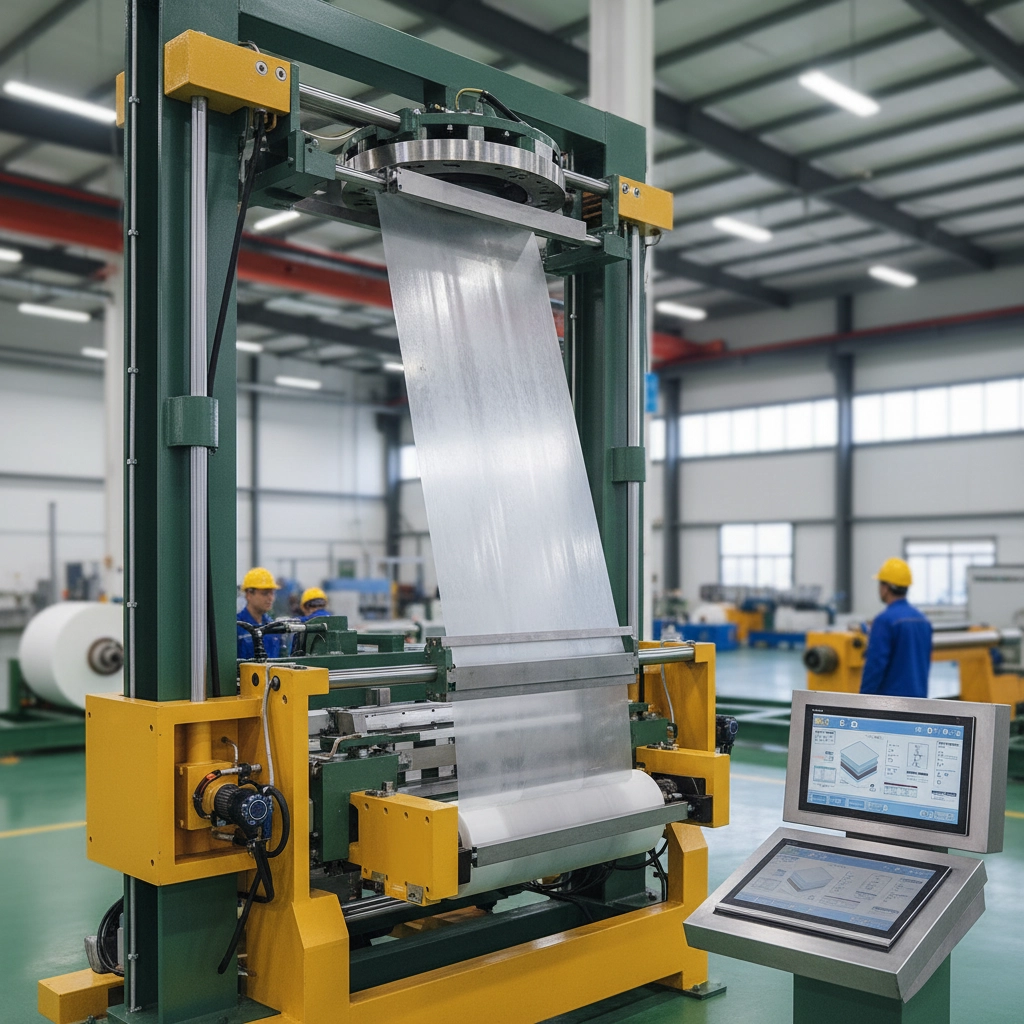
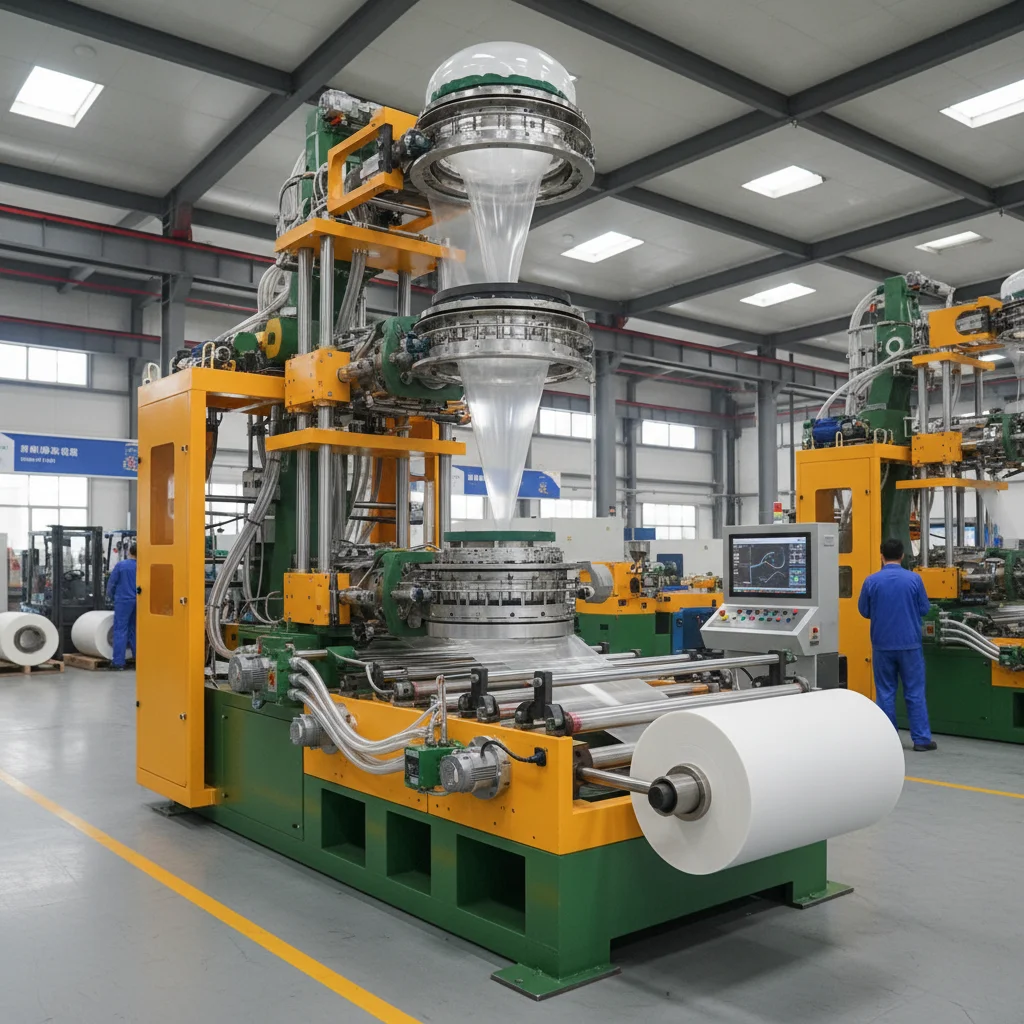
At its core, extruder film is produced through a process where thermoplastic resins are melted and forced through a circular die to create a continuous tube of plastic. This tube is then inflated by air—creating a "bubble"—which stretches the material both longitudinally and transversally. This biaxial orientation is what gives blown film its characteristic strength and clarity compared to cast films.
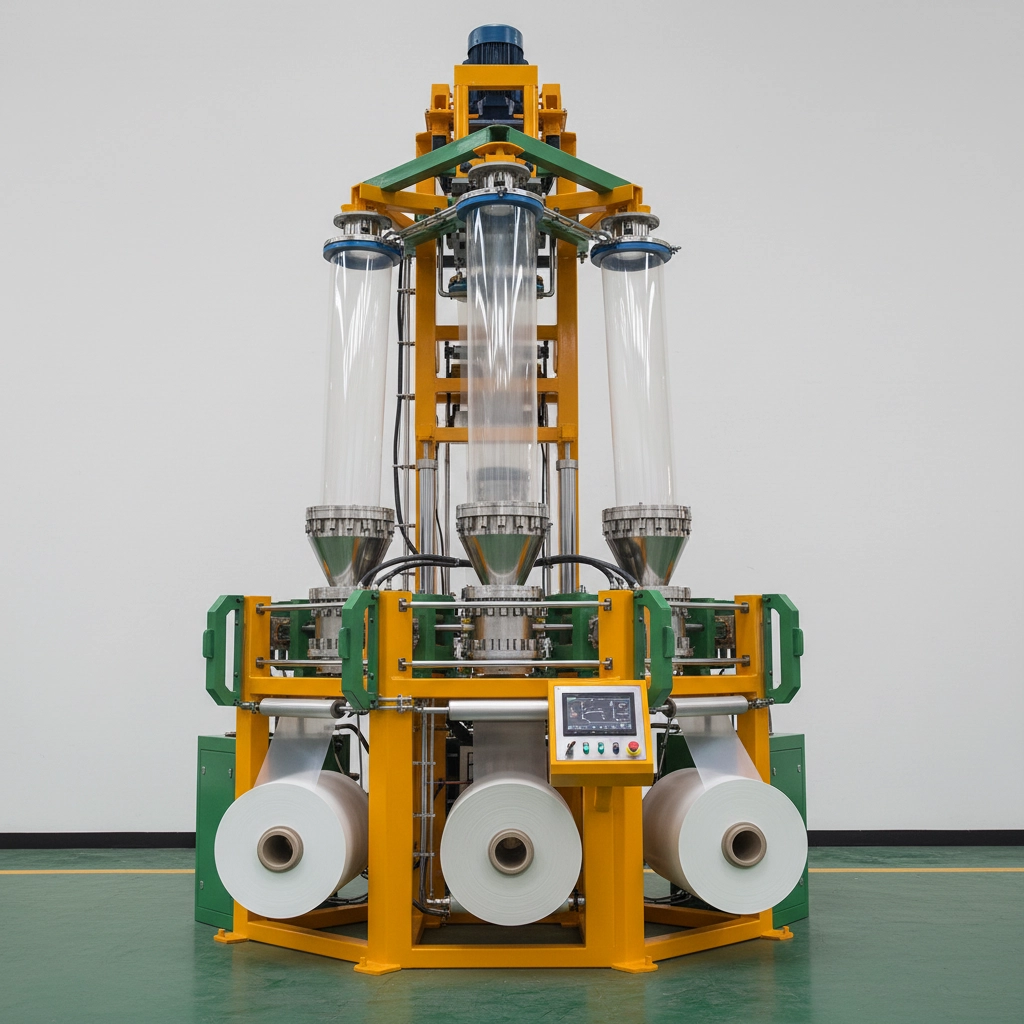
The complexity of this process lies in the stabilization of the bubble. The interaction between the melt strength of the resin and the cooling capacity of the air ring determines the final thickness and optical properties. For those utilizing a Double Layer or Three Layer ABC Blown Film Machine, the challenge is compounded as different polymers must be co-extruded and layered perfectly without interlaminar contamination.
From a humanitarian and industrial perspective, this technology is indispensable. It allows for the creation of sterile medical packaging, moisture-proof agricultural covers, and food-grade wraps that prevent spoilage. By manipulating the extrusion process, manufacturers can create customized barrier properties, effectively protecting essential goods during long-distance transit in harsh environments.
Core Components for High-Performance Extrusion
The durability of an extruder film production line starts with the screw and barrel assembly. High-grade alloy steels are used to prevent wear and corrosion, especially when processing additives or recycled materials that may contain abrasive contaminants. The compression ratio of the screw is carefully calibrated to ensure the polymer is fully homogenized before reaching the die.
Scalability in extruder film manufacturing is achieved through modular extruder designs. By adding secondary or tertiary extruders in a multi-layer configuration, plants can transition from producing simple HDPE bags to high-barrier LLDPE/EVA blends. This flexibility allows a single facility to serve multiple market segments, from industrial liners to high-clarity retail packaging.
Cost efficiency is not just about energy consumption, but also about minimizing "startup scrap." Advanced temperature control systems and precise dosing units ensure that the extruder film reaches a stable state faster. When paired with automatic bubble control, these components significantly reduce the amount of wasted resin, directly impacting the bottom line of the manufacturer.
Efficiency Metrics in Extruder Film Production
To evaluate the success of an extruder film line, manufacturers look at several key performance indicators (KPIs). These include the output rate (kg/h), the gauge variation percentage, and the energy consumption per kilogram of processed polymer. A high-efficiency line maintains a tight gauge tolerance, which prevents the "thin spots" that lead to bag failure in the field.
Comparing different extrusion methods reveals that multi-layer systems offer superior barrier properties but require more complex synchronization. The following data illustrates the relative performance ratings of various extruder film configurations across different industrial priorities.
Performance Comparison of Extruder Film Technologies
Global Applications and Real-World Use Cases
The versatility of extruder film is showcased in its diverse application spectrum. In the agricultural sector, specialized UV-stabilized films are used in greenhouses across Israel and Spain to regulate temperature and protect crops from pests. These films must withstand extreme weather conditions while maintaining transparency, a feat achieved through precise co-extrusion of additives.
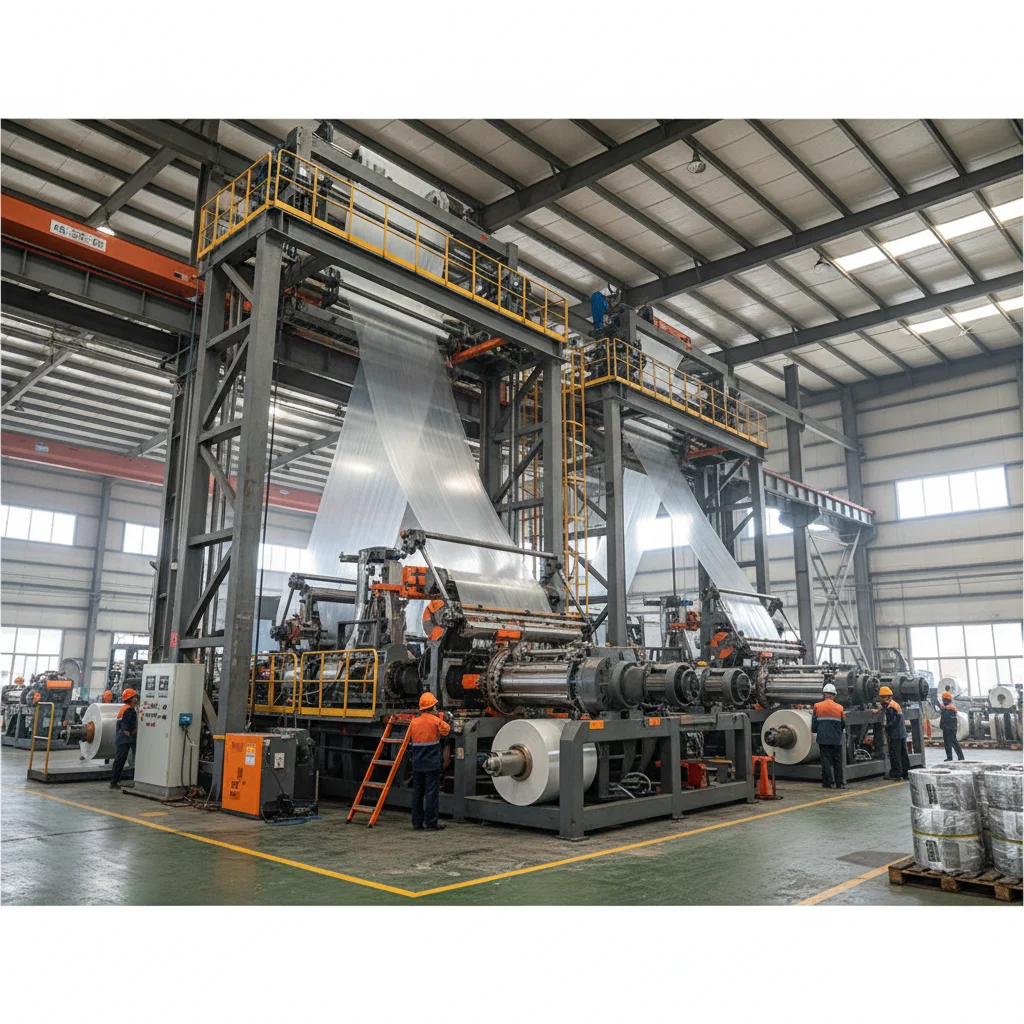
In the logistics sector, high-strength stretch films produced by industrial extruder film lines are essential for pallet stabilization. For instance, in large-scale distribution centers in the US and China, the use of multi-layer LLDPE films allows for thinner gauges that provide higher cling and tear resistance, reducing the overall plastic footprint of every shipment.
Long-Term Value and Sustainable Advantages
Investing in high-quality extruder film machinery offers a logical path to long-term profitability. By utilizing advanced Multi Layer Blown Film Extrusion Machines, companies can reduce material costs by substituting expensive virgin resins with recycled content in the middle layers, while maintaining a pristine virgin layer on the outside for food safety and aesthetics.
Beyond the financials, there is an emotional and ethical value in sustainability. The transition to biodegradable extruder film reduces the burden on landfills and oceans, aligning corporate goals with global environmental mandates. This commitment to "green" production builds trust with modern consumers who prioritize eco-friendly packaging.
Reliability is the final pillar of value. A well-engineered extrusion line minimizes unplanned downtime, ensuring that supply chains remain uninterrupted. When a manufacturer can guarantee a consistent quality of film, they secure long-term contracts with tier-1 FMCG (Fast-Moving Consumer Goods) companies, creating a stable and scalable business model.
Future Trends in Film Extrusion Technology
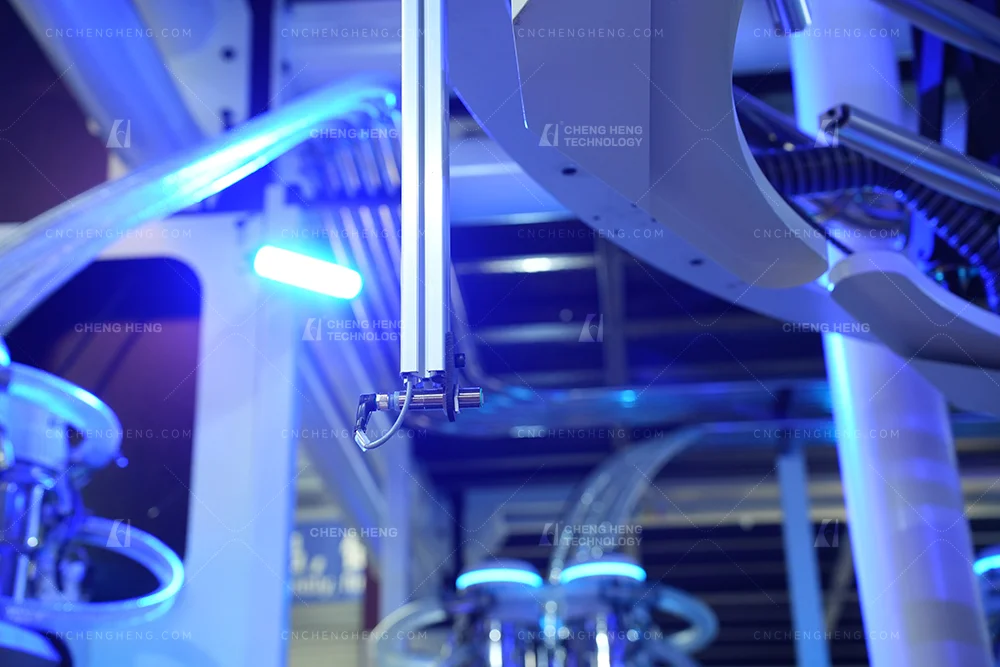
The future of extruder film is being shaped by the integration of Industry 4.0. We are seeing a move toward "closed-loop" systems where AI-driven sensors detect thickness deviations in milliseconds and automatically adjust the air ring or haul-off speed. This level of automation eliminates human error and maximizes material yield.
Material innovation is also accelerating. The development of nanocomposites is allowing extruder film to achieve oxygen barrier properties that were previously only possible with expensive aluminum foils. This is a game-changer for the pharmaceutical and food industries, as it extends product shelf-life while remaining fully recyclable.
Finally, the shift toward energy-efficient heating elements, such as induction heating, is reducing the carbon footprint of the extrusion process. As energy costs rise globally, the most successful producers will be those who integrate high-efficiency motors and heat recovery systems into their extruder film lines.
Comparative Analysis of Extruder Film Technology Trends
| Technology Trend |
Impact on Quality |
Cost Efficiency |
Sustainability Score |
| AI Bubble Control |
Extreme Precision |
High (Lower Waste) |
8/10 |
| Nano-barrier Layers |
Superior Protection |
Medium (Initial Capex) |
9/10 |
| PLA/PBAT Resins |
Comparable to PE |
Low (Material Cost) |
10/10 |
| Induction Heating |
Consistent Heat |
High (Energy Saving) |
8/10 |
| Co-extrusion 5+ Layers |
Ultra-High Barrier |
Medium |
7/10 |
| Recycled Core Layers |
Moderate |
Very High |
9/10 |
FAQS
Single layer film consists of one polymer type, suitable for basic applications like trash bags. Multi-layer extruder film combines different resins (e.g., HDPE for strength and LLDPE for flexibility) to create a product with superior puncture resistance, clarity, and barrier properties, making it ideal for food and medical packaging.
Reducing gauge variation requires a combination of stable melt temperature, a high-precision air ring, and an automatic bubble control system. Ensuring the resin is fully homogenized in the extruder and maintaining a constant haul-off speed are also critical factors in achieving a uniform extruder film thickness.
While possible, using 100% recycled material often compromises optical clarity and mechanical strength. The industry standard is to use a "sandwich" structure in multi-layer machines, where recycled material is placed in the center layer, and virgin resin is used for the outer layers to ensure quality and food safety.
Bubble instability is typically caused by inconsistent melt temperature, fluctuations in air pressure from the cooling ring, or contaminated resin. In multi-layer extruder film production, mismatched melt flow indexes (MFI) between different layers can also cause interface instability, leading to "waves" in the film.
A Three Layer ABC Blown Film Machine is generally superior for high-barrier needs. It allows for a dedicated barrier layer (like EVOH or PA) to be sandwiched between two protective layers, providing a much higher shield against oxygen and moisture than a standard double-layer system.
The choice depends on the resin type and required output. For high-density polymers, a screw with a higher compression ratio is needed. If you are processing heat-sensitive biodegradable materials, a barrier screw with a gentler compression profile is recommended to prevent material degradation.
Conclusion
In summary, the production of extruder film is a sophisticated balance of mechanical engineering, polymer science, and process control. From the selection of the screw design to the stabilization of the blown bubble, every detail contributes to the final quality, durability, and cost-effectiveness of the packaging. By leveraging multi-layer technologies and AI-driven automation, manufacturers can meet the demanding needs of global industries while reducing material waste.
Looking forward, the industry must continue to embrace the transition toward circular economy principles and bio-based polymers. The companies that invest in energy-efficient, high-precision extrusion lines today will be the ones leading the market tomorrow. We encourage operators to explore advanced co-extrusion techniques to enhance product value and minimize environmental impact. Visit our website for more professional solutions: www.cnchsj.com