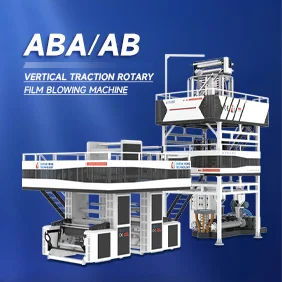
Comprehensive Guide to Blown Film Machines and Their Applications
Understanding Blown Film Machines: A Comprehensive Guide
Blown film machines are essential equipment in the plastics industry, used to create plastic film for a wide range of applications, from packaging to agricultural films. This article provides a detailed overview of blown film machines, their components, types, applications, and factors to consider when choosing the right machine for your needs. We'll explore the technology behind these machines and how they contribute to the global supply chain of plastic products. For high-quality blown film machines, visit CNCHSJ.
What is a Blown Film Machine?
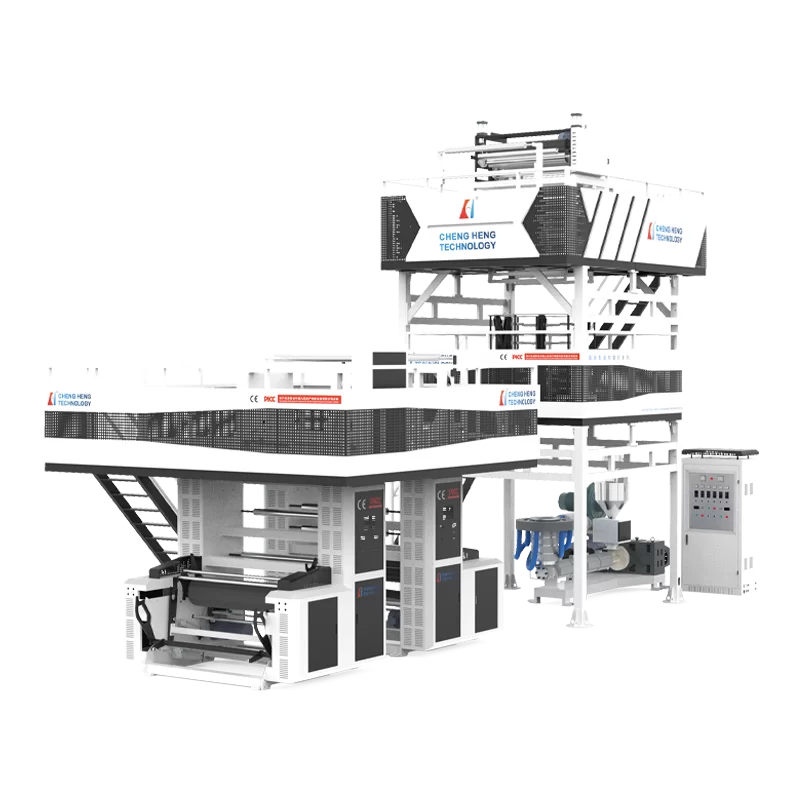
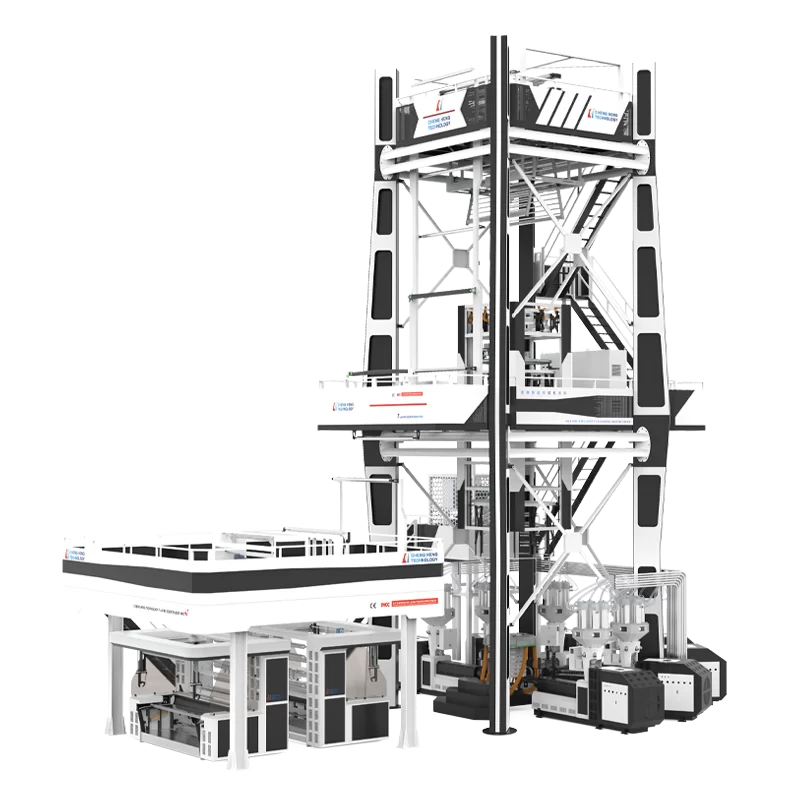
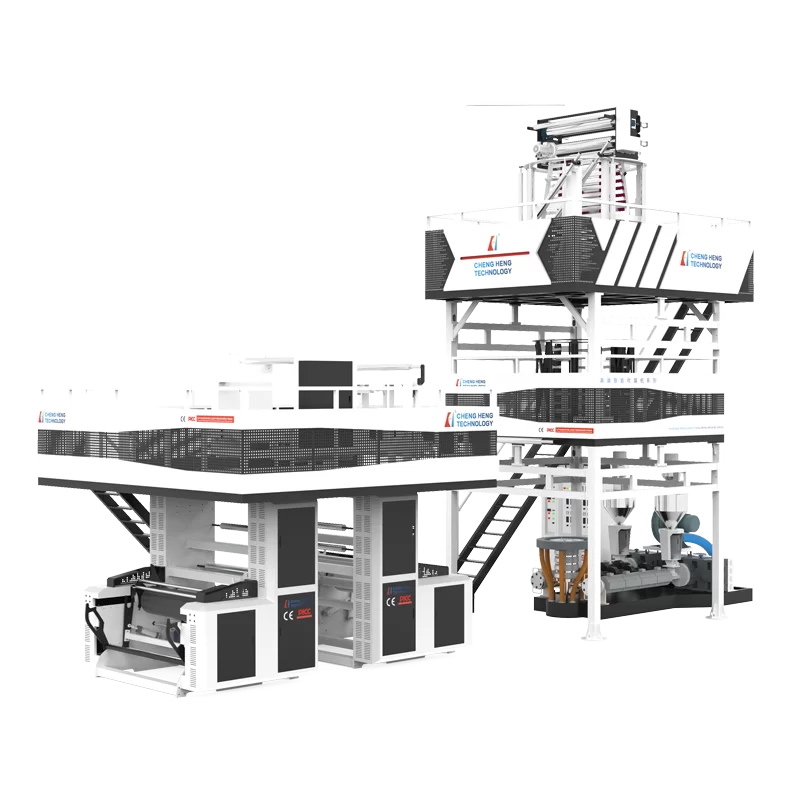
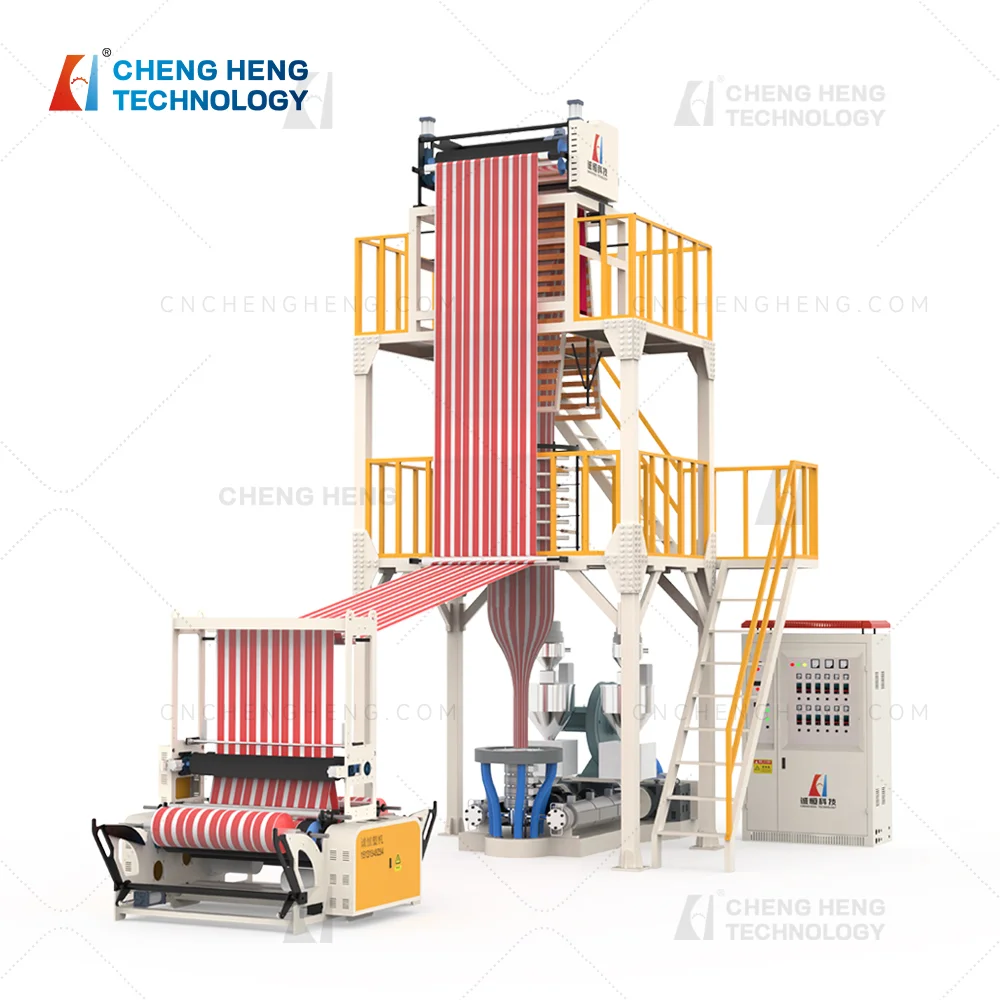
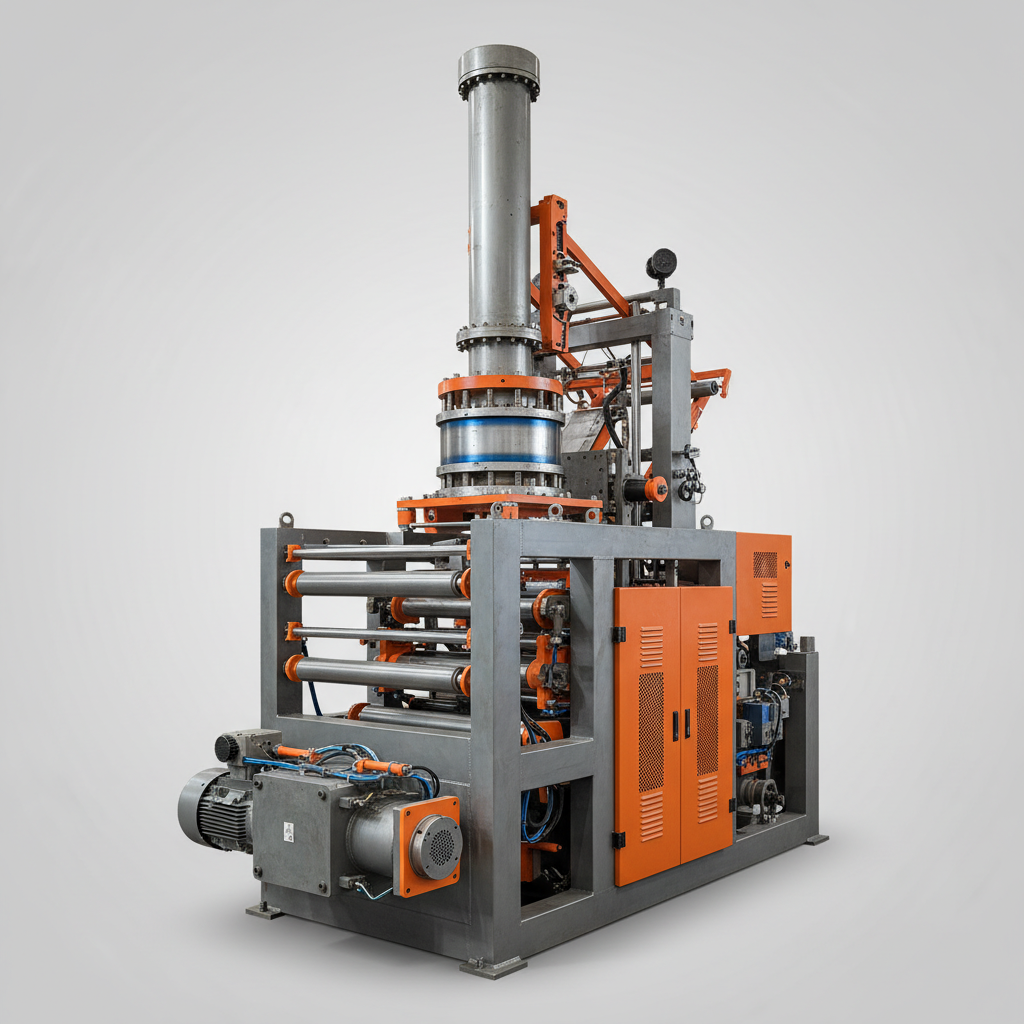
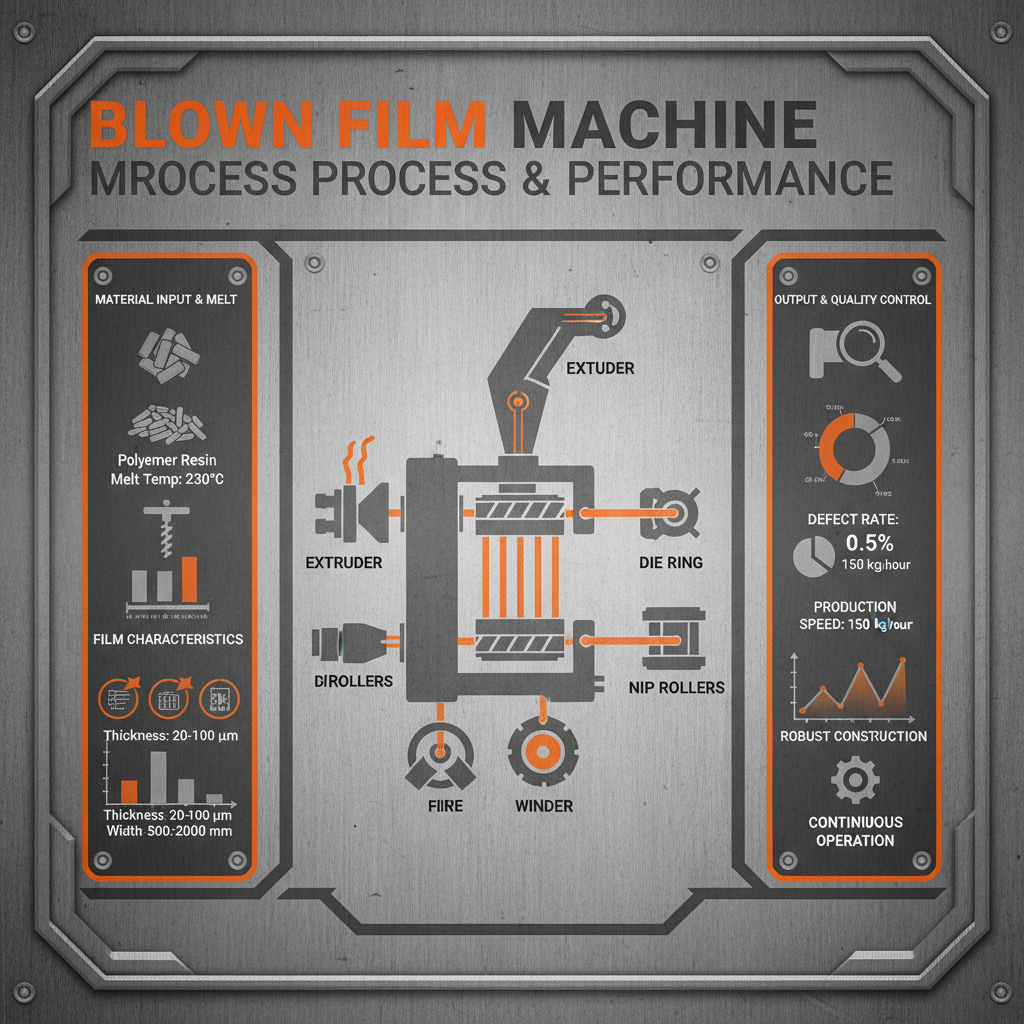
A blown film machine extrudes molten plastic through a circular die, creating a tube. This tube is inflated with air, stretching the plastic both vertically and horizontally to achieve the desired thickness and width. The inflated bubble then travels upwards, cools, and is collapsed and wound onto a roll. The process allows for the continuous production of high-quality plastic film. Key components include the extruder, die head, air ring, cooling system, and winding system. Understanding these elements is crucial for efficient operation and maintenance. A well-maintained machine ensures consistent film quality and minimizes downtime. Learn more about our range of machines at CNCHSJ.
Key Highlights: Blown film machines are used to create plastic film for a wide range of applications, from packaging to agricultural films.
Types of Blown Film Machines
Blown film machines come in various configurations to suit different production needs. The most common types include single-layer, double-layer, and multi-layer machines. Single-layer machines are ideal for producing films with uniform properties. Double-layer machines allow for combining different materials for enhanced characteristics like barrier protection or strength. Multi-layer machines (3, 5, 7 layers or more) offer even greater flexibility, enabling the creation of complex films with specific functionalities. The choice depends on the desired film properties, production volume, and budget. Consider the specific requirements of your application when selecting a machine. CNCHSJ offers a diverse selection of blown film machines to meet any requirement.
Blown Film Machine Types:
• Single-Layer Machines: Ideal for basic film production.
• Double-Layer Machines: Enhanced film properties with combined materials.
• Multi-Layer Machines: Complex films with specific functionalities.
Blown Film Machine Applications
The applications of blown film are incredibly diverse. Packaging is a major sector, encompassing food packaging, industrial packaging, and consumer product packaging. Agricultural films, such as greenhouse films and mulch films, rely heavily on blown film technology. Construction uses films for vapor barriers and protective sheeting. Medical applications require specialized films with stringent purity standards. The versatility of blown film makes it indispensable across numerous industries. CNCHSJ's machines cater to a wide range of these applications.
Factors to Consider When Choosing a Blown Film Machine
Selecting the right blown film machine requires careful consideration of several factors. Production capacity, film width, layer count, material type, and automation level are all crucial. Also, assess the available space, power supply, and maintenance requirements. Consider the level of technical expertise available for operation and maintenance. Investing in a reliable machine with readily available spare parts and support is essential for long-term success. CNCHSJ offers comprehensive support and service to ensure optimal performance.
The Future of Blown Film Technology
The blown film industry is constantly evolving, with a focus on sustainability, efficiency, and automation. Developments in resin technology are enabling the production of films with improved properties and reduced environmental impact. Automation and digitalization are streamlining processes and reducing labor costs. The demand for high-performance films for specialized applications continues to drive innovation. CNCHSJ is committed to staying at the forefront of these advancements.
Conclusion: Investing in Quality Blown Film Technology
Investing in a high-quality blown film machine from CNCHSJ is a strategic move for any business involved in plastics processing. With our commitment to innovation, reliability, and customer support, you can be confident in achieving optimal performance and maximizing your return on investment. Don't compromise on quality – choose CNCHSJ for all your blown film machine needs.
Frequently Asked Questions (FAQs)
What materials can be processed with a blown film machine?
Blown film machines are versatile and can process a wide range of thermoplastic materials, including polyethylene (LDPE, LLDPE, HDPE), polypropylene (PP), polyvinyl chloride (PVC), and polyethylene terephthalate (PET). The choice of material depends on the desired film properties and application. Some machines are specifically designed for processing engineering plastics, offering enhanced performance and durability. Consider the material's melt flow index and processing temperature when selecting a machine.
How often does a blown film machine require maintenance?
Regular maintenance is crucial for ensuring the longevity and optimal performance of a blown film machine. Daily checks include inspecting the extruder barrel temperature, die head, air ring, and winding system. Monthly maintenance involves lubricating moving parts, cleaning the die head, and inspecting the cooling system. Annual maintenance should include a thorough inspection of all components and replacement of worn parts. Proper maintenance minimizes downtime and extends the machine's lifespan.
What are the key benefits of a multi-layer blown film machine?
Multi-layer blown film machines offer several advantages over single-layer machines. They allow for combining different materials to create films with tailored properties, such as enhanced barrier protection, improved strength, and reduced cost. The ability to incorporate multiple layers enables the creation of films with complex functionalities, catering to a wider range of applications. Multi-layer films can also reduce material consumption by using a thinner layer of expensive materials combined with a more cost-effective base layer.
What safety features should I look for in a blown film machine?
Safety is paramount when operating a blown film machine. Essential safety features include emergency stop buttons, safety guards around moving parts, and temperature control systems to prevent overheating. Overload protection for the extruder motor and winding system is also crucial. Ensure the machine complies with relevant safety standards and regulations. Proper training for operators is essential to ensure safe operation and prevent accidents.