Comprehensive Guide to Blown Film Production Line Technology and Applications
Blown Film Production Line: A Comprehensive Guide
The demand for plastic packaging continues to grow globally, driving innovation in blown film production lines. These lines are crucial for creating a wide range of plastic films used in food packaging, agricultural films, shopping bags, and numerous other applications. This article provides a detailed overview of blown film extrusion, covering the process, components, applications, and key considerations for choosing the right system. Understanding these elements is vital for businesses looking to enhance their production capabilities and meet evolving market demands.
Understanding the Blown Film Extrusion Process
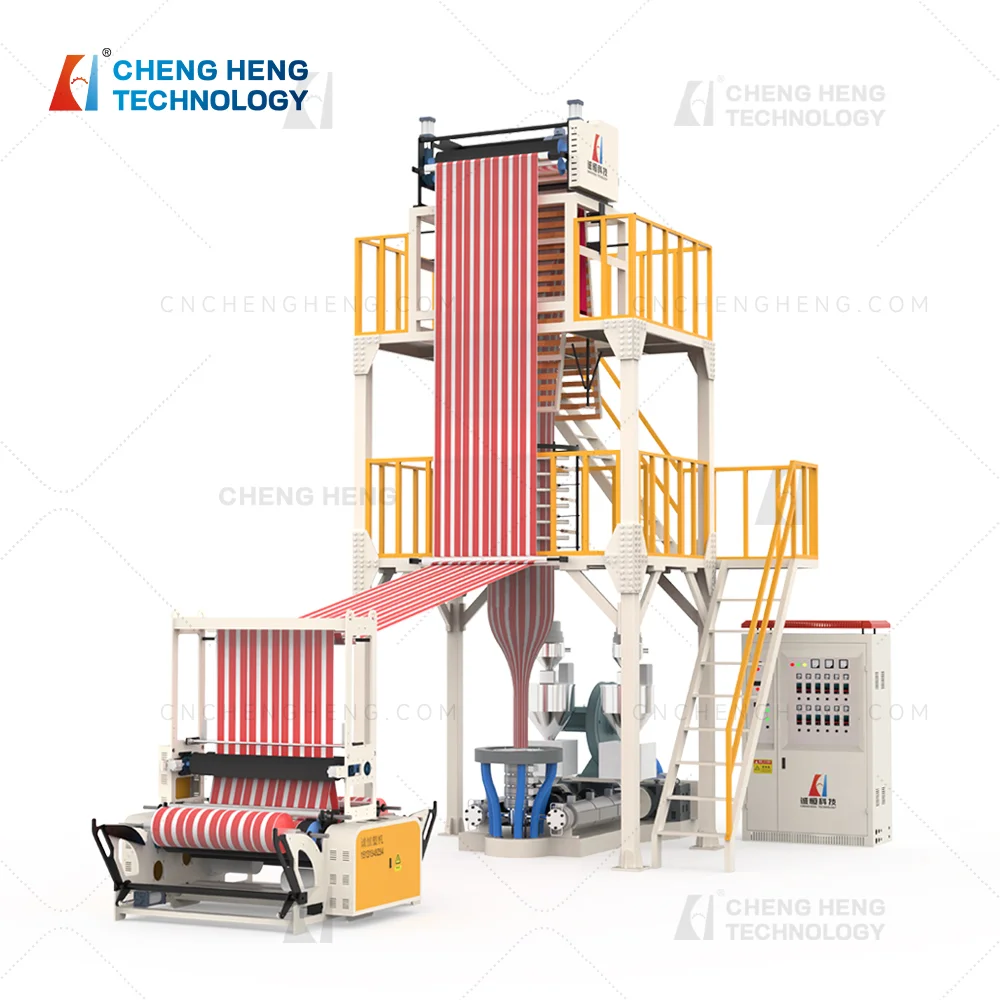
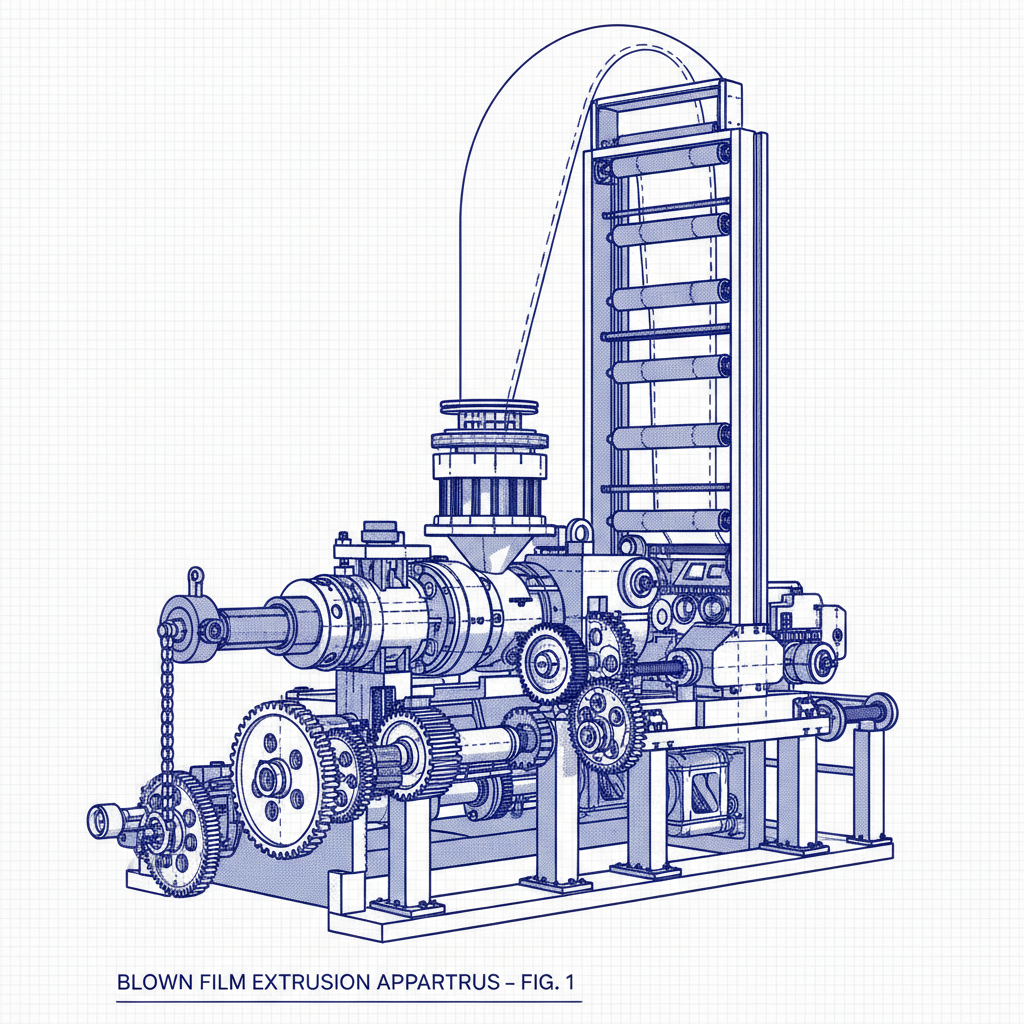
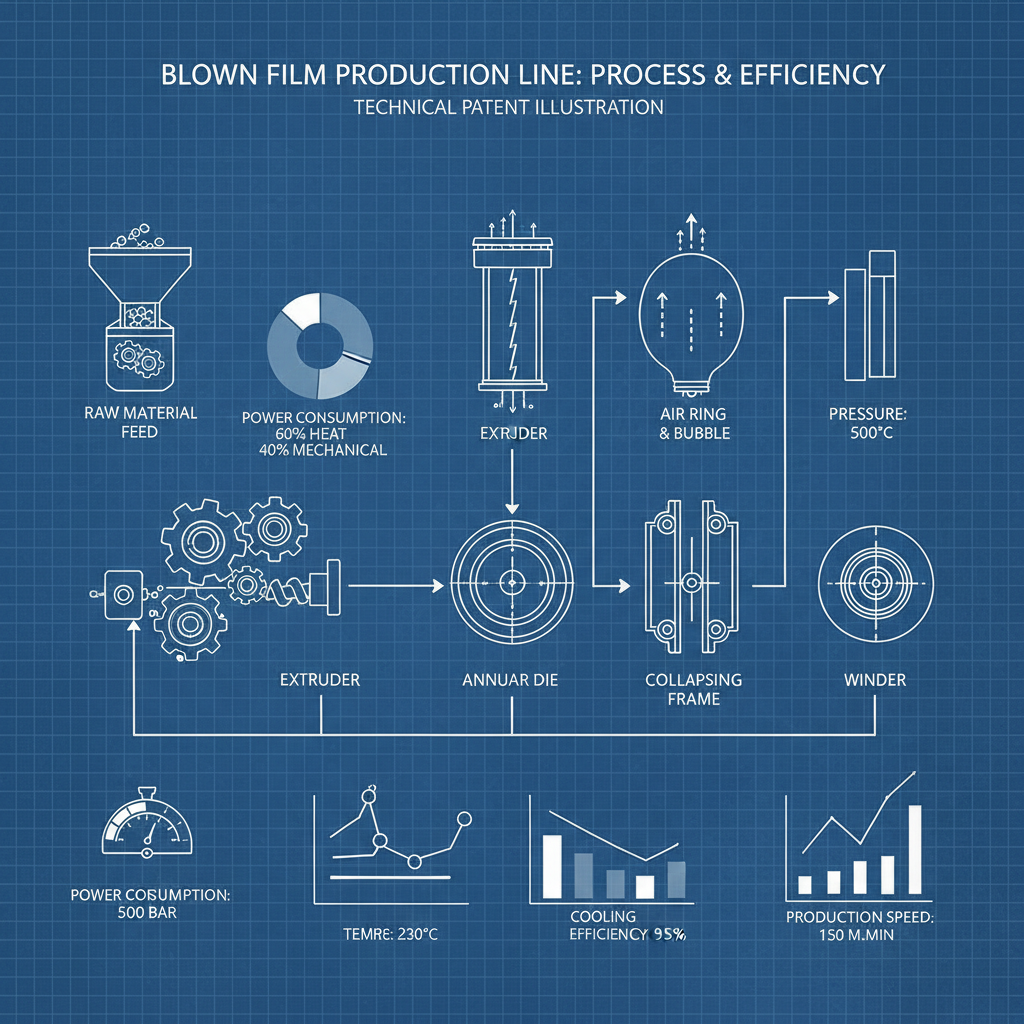
Blown film extrusion is a process where molten plastic is extruded through a circular die to form a tube. This tube is then inflated with air, stretching the plastic both vertically and horizontally. As the film rises in the tower, it cools and solidifies. The resulting film is then collapsed, flattened, and wound onto a roll. The key to efficient production lies in maintaining consistent temperatures, air pressure, and haul-off speed. Modern blown film lines are often equipped with sophisticated control systems to optimize these parameters, ensuring consistent film quality.
Key Benefits: High production rates, versatile film thickness control, and suitability for various polymers.
Essential Components of a Blown Film Production Line
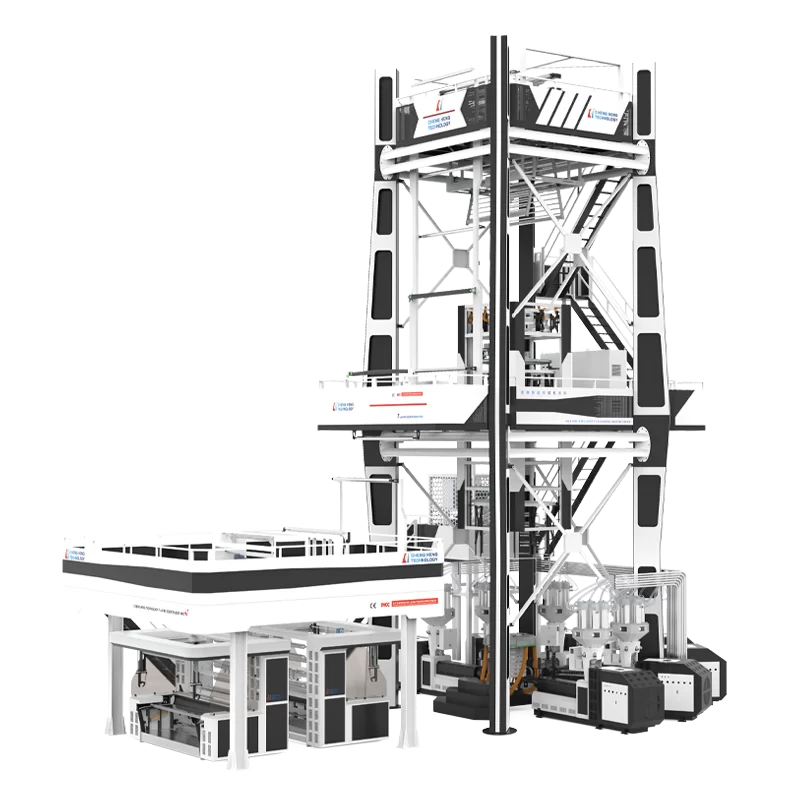
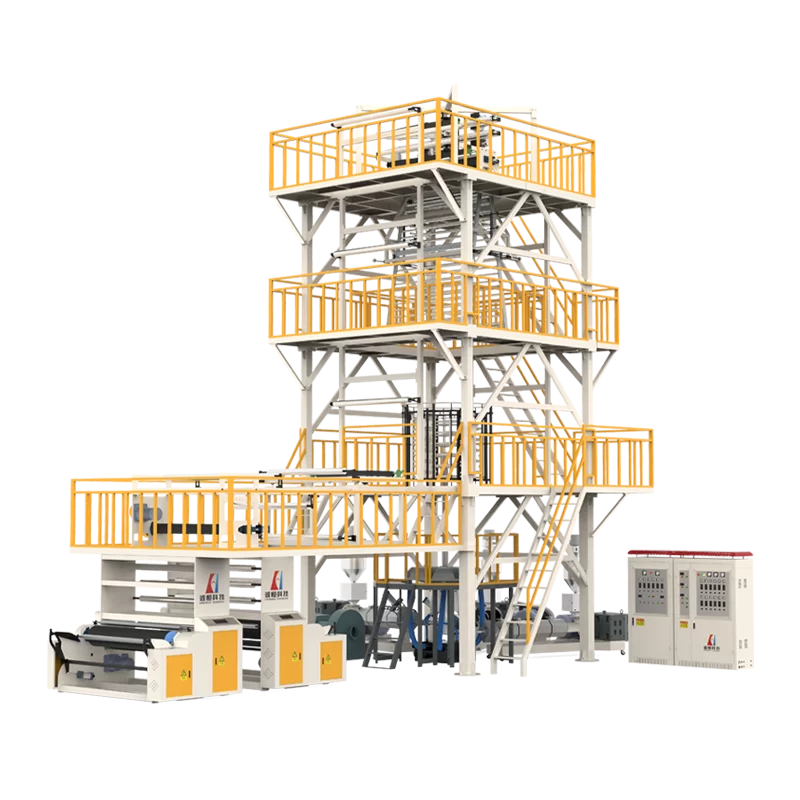
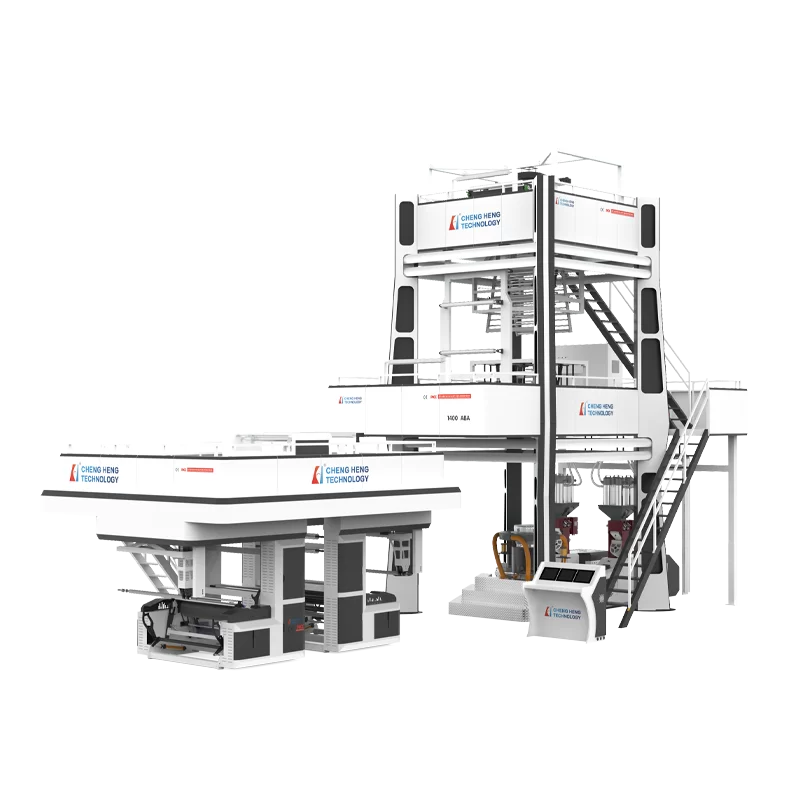
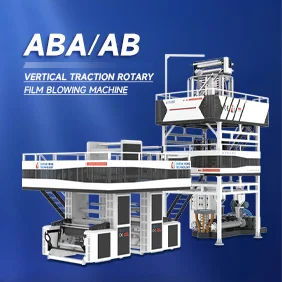
A complete blown film line comprises several key components working in harmony. These include the extruder, die head, air ring, collapsing frame, haul-off unit, and winding system. The extruder melts the plastic resin, while the die head shapes it into a tubular form. The air ring cools the film bubble, and the collapsing frame flattens it. The haul-off unit maintains consistent film tension, and the winding system rolls the finished film. Choosing high-quality components, especially the extruder and die head, is critical for achieving optimal performance and film consistency.
Component Breakdown:
• Extruder: Melts and homogenizes the plastic resin.
• Die Head: Shapes the molten plastic into a tube.
• Air Ring: Cools the film bubble.
• Haul-Off Unit: Controls film tension and speed.
Choosing the Right Blown Film Production Line: Key Considerations
Selecting the appropriate blown film line requires careful consideration of several factors. These include the types of polymers you’ll be processing (LDPE, HDPE, PP, etc.), the desired film thickness, the required production capacity, and the level of automation needed. It’s also important to consider the available space and power supply in your facility. A reputable supplier, like CNCHSJ, can provide expert guidance and help you choose a line that meets your specific needs.
Blown Film Production Line Applications
Blown film technology is incredibly versatile and serves a wide array of industries. Some of the most common applications include: food packaging (bread bags, produce bags, pouches), agricultural films (greenhouse covers, mulch film), industrial packaging (shrink wrap, stretch film), and consumer products (shopping bags, trash bags). The ability to customize film properties, such as thickness, clarity, and strength, makes it suitable for countless specialized applications.
Maintenance and Optimization for Long-Term Performance
Regular maintenance is crucial for ensuring the longevity and optimal performance of your blown film line. This includes cleaning the die head, checking the air ring for obstructions, lubricating moving parts, and inspecting the winding system. Implementing a preventative maintenance schedule can significantly reduce downtime and extend the lifespan of your equipment. Monitoring key performance indicators (KPIs) such as film thickness consistency, production speed, and waste rate can help identify potential issues before they escalate.
Conclusion: Investing in Quality and Expertise
Investing in a high-quality blown film production line is a strategic decision that can significantly enhance your manufacturing capabilities. By carefully considering your specific needs, choosing the right components, and implementing a robust maintenance program, you can maximize your return on investment and ensure long-term success. Partnering with a reliable supplier like CNCHSJ provides access to expertise, technical support, and innovative solutions.
Frequently Asked Questions (FAQs)
What is the typical lead time for a blown film production line?
Lead times can vary significantly depending on the complexity of the line, the level of customization, and the manufacturer's current order backlog. Typically, a standard blown film line may have a lead time of 3-6 months, while more customized solutions can take 6-9 months or longer. It’s crucial to discuss lead times with your supplier upfront and factor them into your production planning. CNCHSJ strives to provide transparent timelines and efficient production processes to minimize delays.
What kind of training is provided with the purchase of a line?
Most reputable suppliers, including CNCHSJ, offer comprehensive training programs for your operators and maintenance personnel. This training typically covers machine operation, troubleshooting, maintenance procedures, and safety protocols. Training can be conducted at the supplier's facility, at your plant, or remotely via online platforms. Proper training is essential for maximizing the performance and lifespan of your investment.
What is the energy consumption of a typical blown film line?
Energy consumption varies greatly depending on the line's size, output capacity, and the type of polymer being processed. A typical line can consume between 50kW to 200kW or more. Implementing energy-efficient components, such as variable frequency drives (VFDs) and optimized cooling systems, can help reduce energy consumption and lower operating costs. CNCHSJ offers lines designed with energy efficiency in mind.
What are the common issues encountered with blown film lines, and how can they be prevented?
Common issues include die head blockages, film wrinkling, bubble instability, and winding problems. These can often be prevented through regular maintenance, proper operator training, and using high-quality raw materials. Monitoring key parameters like temperature, air pressure, and haul-off speed can also help identify and address potential issues before they lead to downtime.