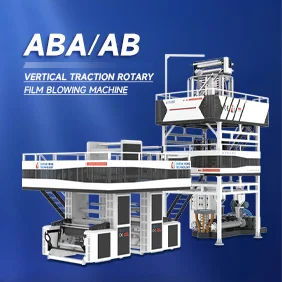
Comprehensive Guide to Cast Film Extruder Technology and Applications
Understanding the Capabilities of a Cast Film Extruder
In the dynamic world of plastics processing, a cast film extruder stands as a crucial piece of equipment. This technology is essential for producing high-quality plastic films used in a vast range of applications, from food packaging and agricultural films to industrial wraps and specialized laminations. This article provides a comprehensive overview of cast film extrusion, delving into its process, key components, applications, benefits, and considerations for selecting the right machine. Understanding the nuances of this technology is vital for businesses aiming to enhance production efficiency and deliver superior film products.
The Cast Film Extrusion Process: A Detailed Look
The cast film extrusion process begins with plastic resin – typically polyethylene (PE), polypropylene (PP), or other polymers – being fed into a hopper. From there, the resin is transported to the extruder's screw, which melts and homogenizes the plastic. This molten polymer is then forced through a die, forming a continuous sheet or 'film'. Unlike blown film extrusion, which inflates the film with air, cast film is cooled rapidly on a chilled roller, resulting in a clear, glossy film with excellent optical properties and dimensional stability. The precise control of temperature, speed, and die design is key to achieving consistent film quality and desired thickness. A high-quality cast film extruder is therefore indispensable for any serious plastics manufacturing operation.
Key Process Steps: Melting, homogenizing, shaping through a die, rapid cooling on a chilled roller, winding.
Key Components of a Cast Film Extruder
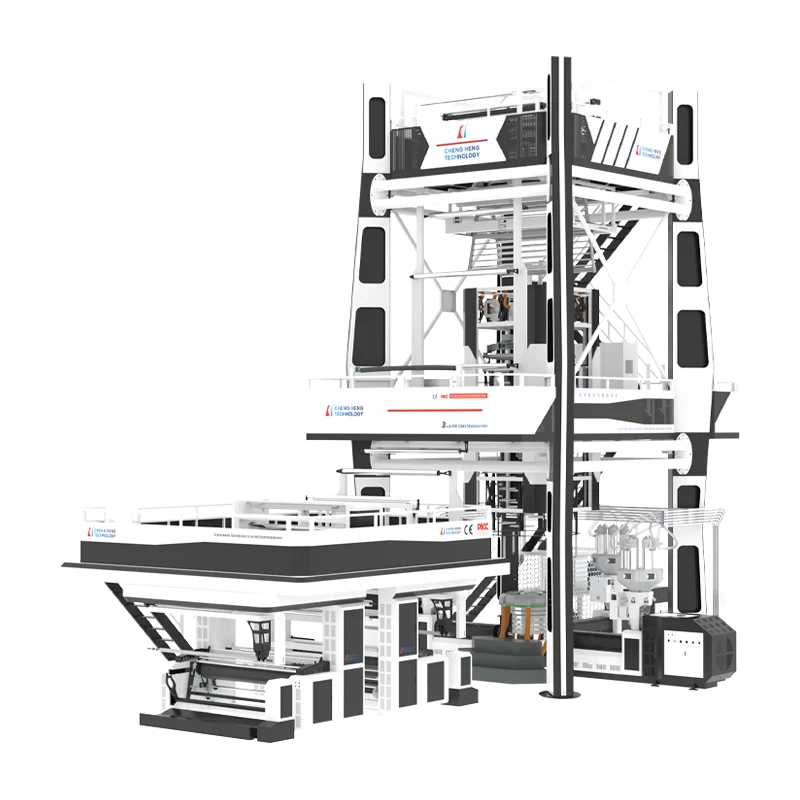
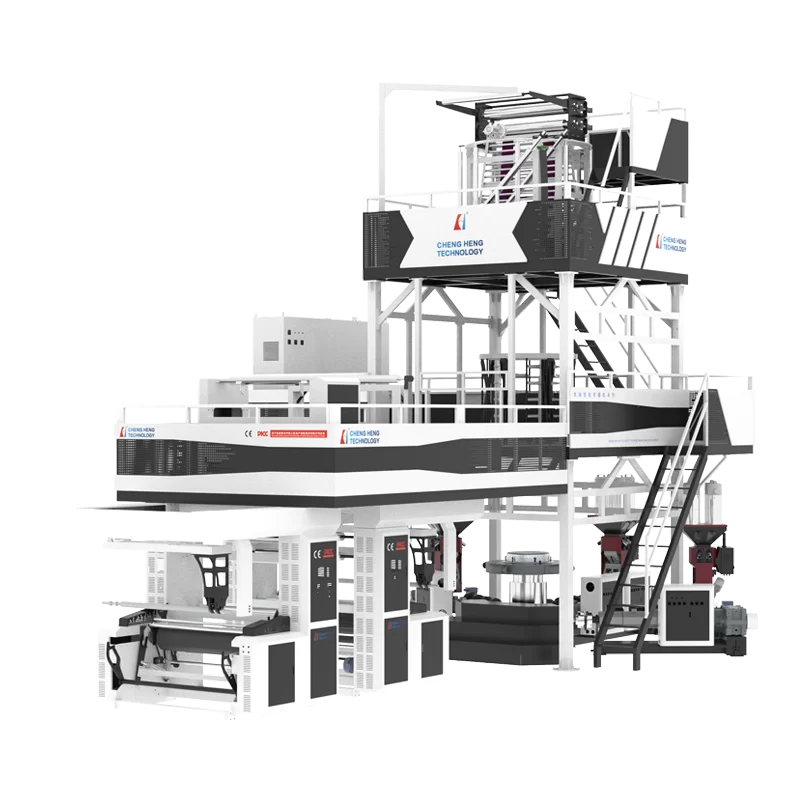
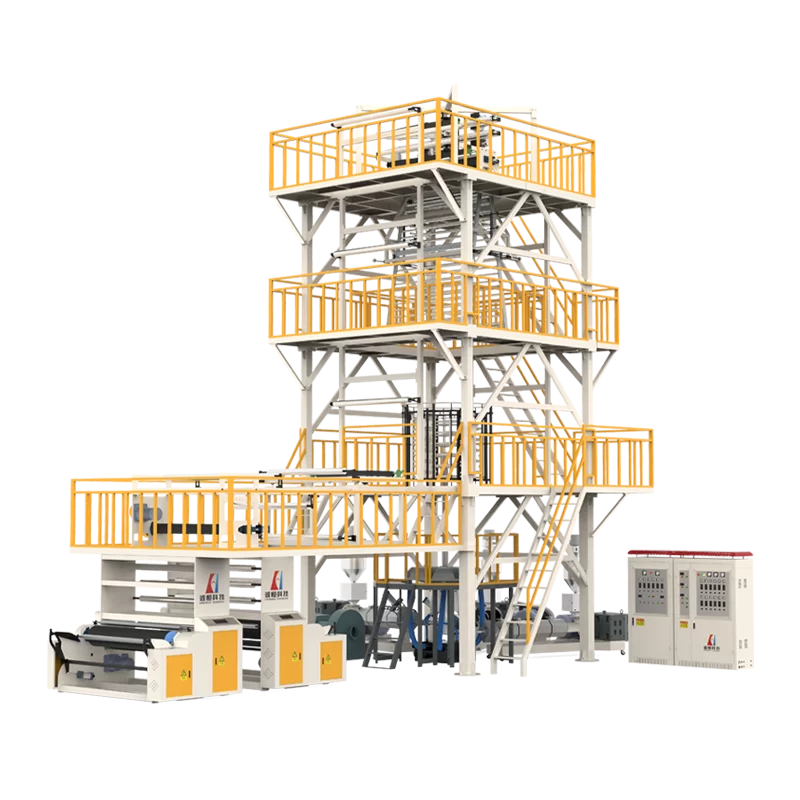
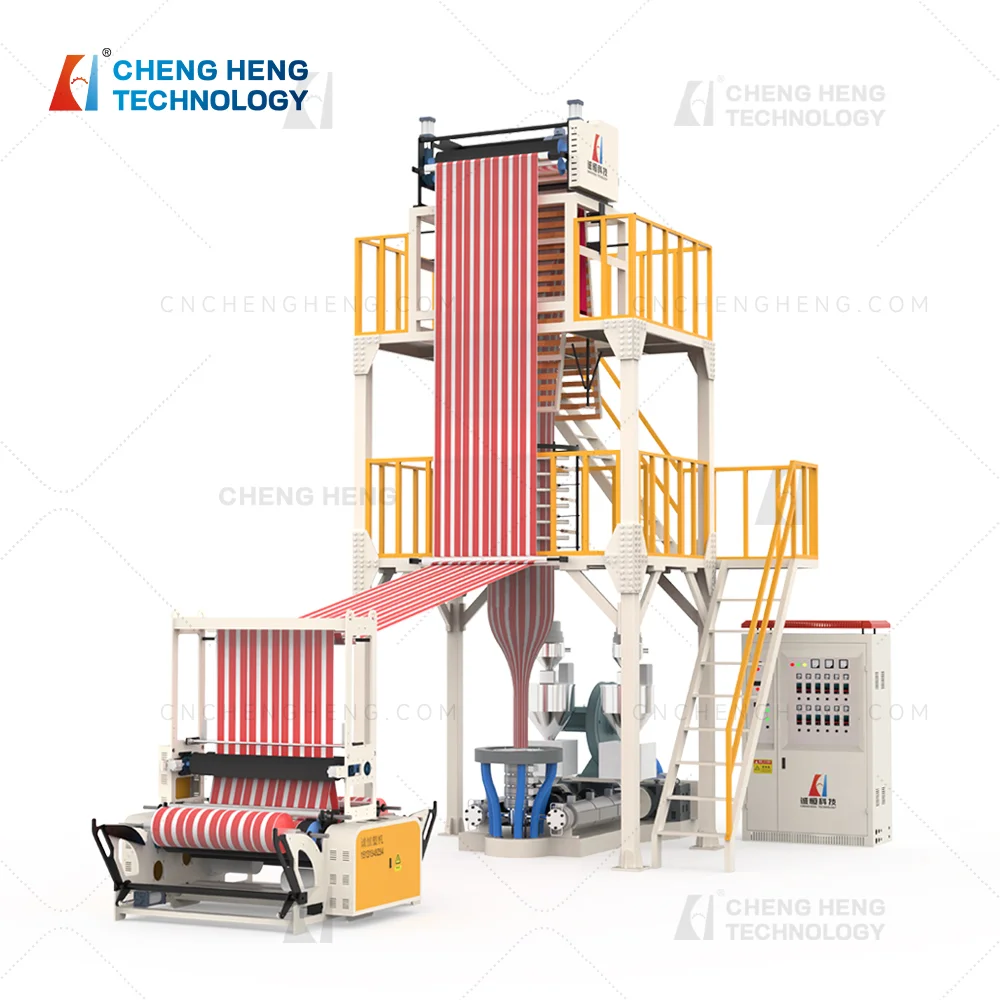
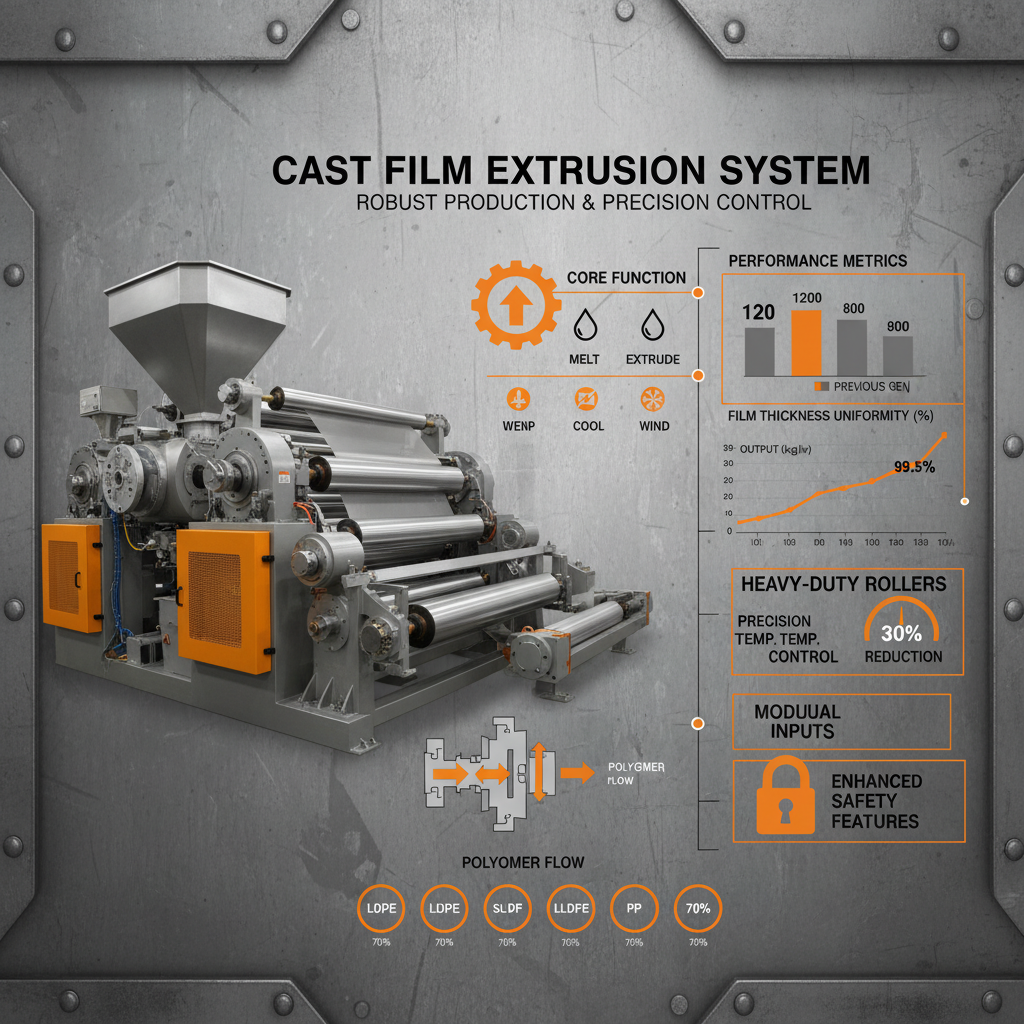
A robust cast film extruder is comprised of several critical components working in harmony. These include the extruder screw (responsible for melting and conveying the resin), the die (which shapes the molten plastic into a film), the chill roll (for rapid cooling), the winding system (for collecting the finished film), and the control system (for monitoring and adjusting process parameters). The extruder screw’s design – single, double, or twin-screw – significantly influences the efficiency and quality of the extrusion process. Precise temperature control systems are also vital throughout the process, ensuring consistent film properties.
Essential Components:
• Extruder Screw
• Die
• Chill Roll
• Winding System
• Control System
Cast Film Extruder Applications Across Industries
The versatility of cast film makes it essential for a diverse array of industries. In the food packaging sector, cast film provides excellent clarity and barrier properties for wrapping fresh produce, snacks, and prepared meals. Agriculture relies on cast film for greenhouse coverings, mulch films, and silage wraps. Industrial applications include protective wraps for goods during transit, release liners for adhesive products, and laminations for specialized materials. The medical industry uses cast film for packaging sterile products and creating medical-grade bags. The demand for high-performance cast film continues to grow as industries seek innovative packaging and material solutions.
Cast Film Extruders: Blown Film Extruders – A Comparative Analysis
While both cast film and blown film extrusion produce plastic films, they differ significantly in their processes and resulting film properties. Blown film uses air to inflate the molten plastic into a bubble, while cast film is cooled on a chilled roller. Cast film generally offers superior clarity, dimensional stability, and surface smoothness, making it ideal for applications requiring high optical quality and precise dimensions. Blown film, on the other hand, is often more cost-effective for producing large volumes of film for less demanding applications. The choice between the two depends on the specific requirements of the end product.
Selecting the Right Cast Film Extruder: Key Considerations
Choosing the right cast film extruder involves carefully evaluating your specific production needs. Consider the types of resins you'll be processing, the desired film thickness range, the required film width, and your anticipated production volume. Also, factor in the level of automation needed, the available floor space, and your budget. Reputable manufacturers like CNCHSJ offer a range of models to suit various applications and production scales. Investing in a high-quality, reliable machine will ensure long-term efficiency and profitability.
Conclusion: Optimizing Your Film Production with the Right Extruder
Investing in a quality cast film extruder is crucial for businesses seeking to produce high-performance plastic films. By understanding the process, key components, and application versatility, you can make an informed decision that aligns with your specific needs and drives production efficiency. CNCHSJ is dedicated to providing innovative extrusion solutions for a wide range of industries.
Frequently Asked Questions (FAQs)
What types of plastics can be processed with a cast film extruder?
Cast film extruders are versatile and can handle a variety of thermoplastic resins. Commonly used materials include polyethylene (PE) – both low-density (LDPE) and linear low-density (LLDPE) – polypropylene (PP), polystyrene (PS), and polyvinyl chloride (PVC). The suitability of a particular resin depends on the extruder's screw design and temperature control capabilities. Specialized extruders can also process engineering plastics like PET and nylon, though these often require more advanced equipment and expertise. Selecting the correct resin is crucial for achieving the desired film properties for your application.
What is the typical output rate of a cast film extruder?
The output rate of a cast film extruder, measured in kilograms per hour (kg/h) or pounds per hour (lbs/hr), varies significantly depending on several factors. These include the type of resin being processed, the film thickness, the film width, the screw speed, and the extruder's overall capacity. Smaller extruders might produce 50-200 kg/h, while larger, high-capacity machines can achieve rates of 500 kg/h or more. A CNCHSJ extruder is designed for consistent, reliable output.
How much maintenance does a cast film extruder require?
Regular maintenance is essential for ensuring the longevity and efficient operation of a cast film extruder. Key maintenance tasks include cleaning the die, checking and replacing wear parts (like the screw and barrel), inspecting and lubricating bearings, and monitoring temperature control systems. Routine preventative maintenance schedules, as recommended by the manufacturer, are vital for minimizing downtime and preventing costly repairs. A well-maintained extruder can provide years of reliable service.
What safety features are important in a cast film extruder?
Safety is paramount when operating a cast film extruder. Essential safety features include emergency stop buttons, safety guards around moving parts (like the screw and rollers), temperature alarms, and overload protection. Proper training for operators is crucial to ensure they understand the potential hazards and safe operating procedures. Adhering to industry safety standards and regulations is also essential for creating a safe working environment.