Exploring the Plastic Blown Film Extrusion Process and Its Applications
Understanding the Plastic Blown Film Extrusion Process
The plastic blown film extrusion process is a widely used manufacturing technique for creating plastic film products. From food packaging to agricultural films and beyond, this process provides a cost-effective and versatile solution. This article will delve into the intricacies of this process, exploring its stages, materials, applications, and advancements. Understanding this process is crucial for businesses involved in plastics manufacturing or seeking custom film solutions. We’ll cover everything from resin selection to quality control, providing a comprehensive guide for both beginners and industry professionals.
The Core Stages of Blown Film Extrusion
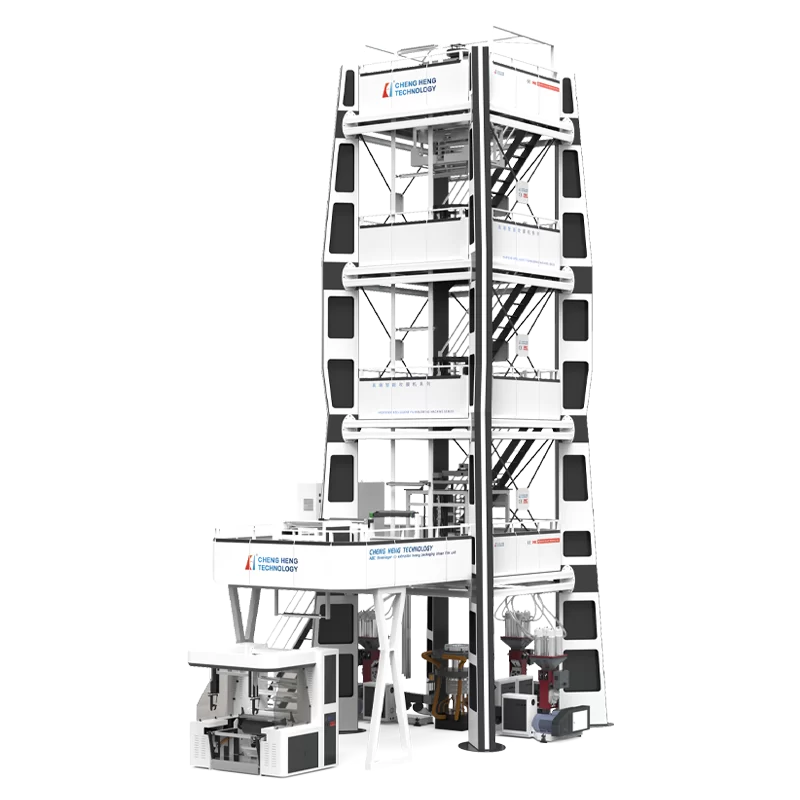
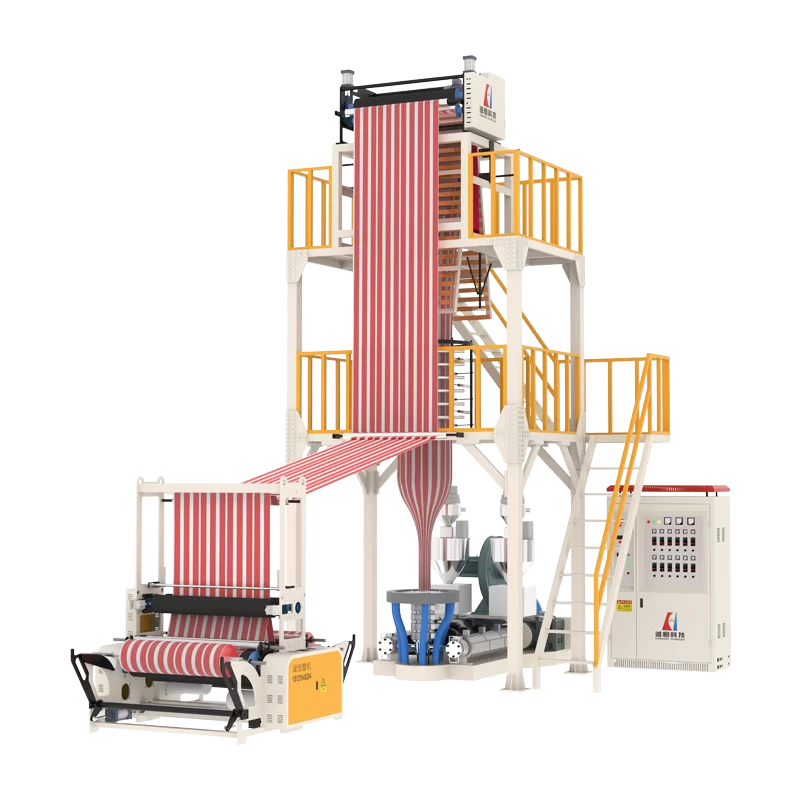
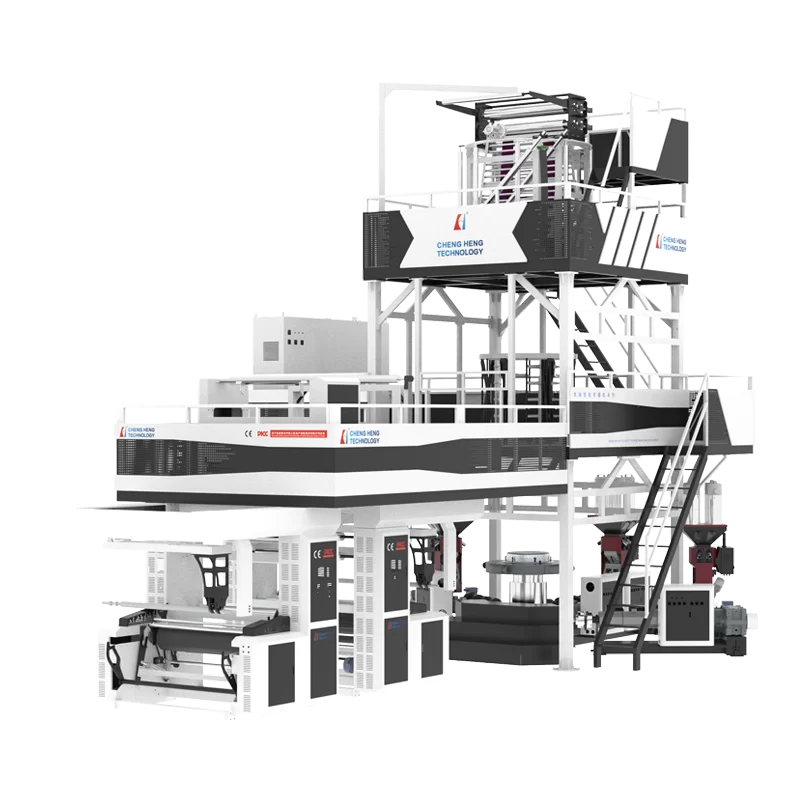
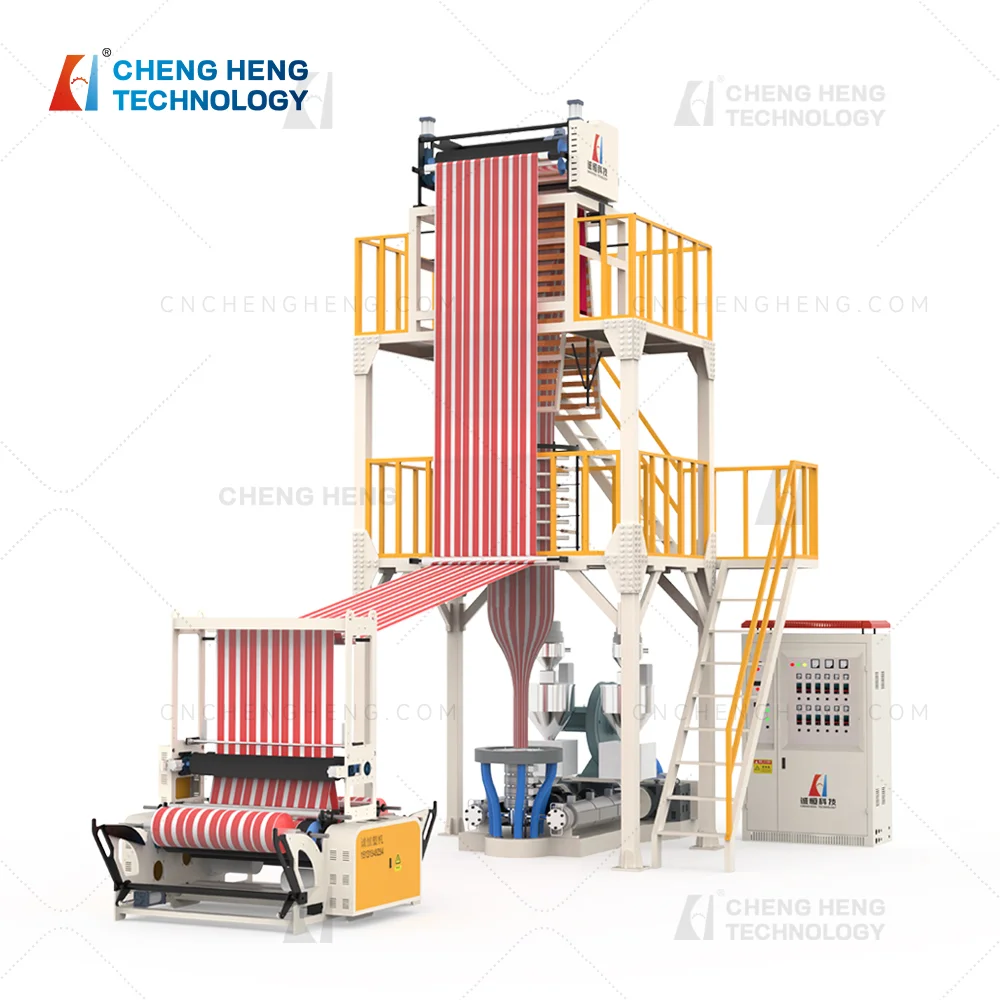
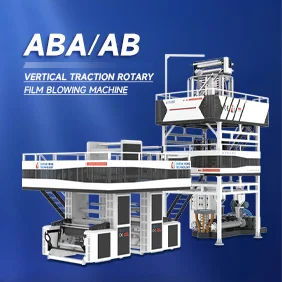
The blown film extrusion process can be broken down into several key stages. First, plastic resin – typically polyethylene (PE), polypropylene (PP), or polyethylene terephthalate (PET) – is fed into an extruder. The extruder melts the resin using heat and pressure. This molten plastic is then forced through a circular die, forming a tube. This tube is inflated with air, expanding it to the desired diameter and thickness. The inflated tube, known as a "bubble," rises vertically and is cooled by air. Finally, the bubble is collapsed, flattened, and wound onto rolls.
Materials Commonly Used in Plastic Blown Film Extrusion
A variety of plastic resins can be used in blown film extrusion, each offering unique properties. Polyethylene (PE), in its low-density (LDPE), linear low-density (LLDPE), and high-density (HDPE) forms, is the most common choice due to its flexibility, affordability, and processability. Polypropylene (PP) offers higher strength and heat resistance. Polyethylene Terephthalate (PET) provides excellent barrier properties and is often used for food packaging. The choice of material depends on the intended application and required film characteristics. CNCHSJ specializes in working with a wide range of materials to meet diverse customer needs.
Comparing Different Plastic Resins for Blown Film
Selecting the right plastic resin is crucial for achieving the desired film properties. Here’s a comparison of common resins:
Applications of Blown Film in Various Industries
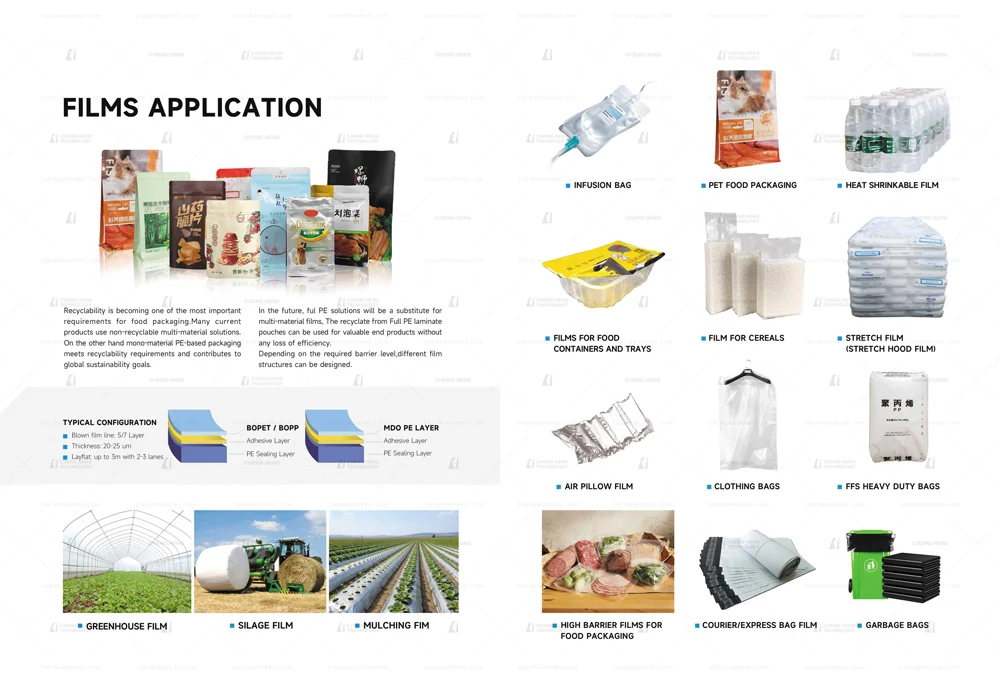
Blown film finds applications across numerous industries. In the packaging sector, it's used for food packaging, shopping bags, and shrink wrap. Agriculture utilizes it for greenhouse films, mulch films, and silage bags. The medical industry relies on it for sterile packaging, while construction uses it for vapor barriers and protective sheeting. The versatility of blown film ensures its continued relevance in a wide range of applications.
Advancements and Future Trends in Blown Film Extrusion
The blown film extrusion industry is constantly evolving. Recent advancements include the development of multilayer films offering enhanced barrier properties and improved performance. Co-extrusion technology allows for the combination of different materials in a single film, creating customized solutions. Furthermore, the industry is focusing on sustainable practices, such as the use of recycled materials and biodegradable polymers.
Conclusion: A Versatile and Evolving Process
The plastic blown film extrusion process remains a cornerstone of the plastics industry, offering a cost-effective and adaptable solution for a wide array of applications. Continuous advancements in materials, technology, and sustainability are driving its evolution, ensuring its continued importance for years to come.
Frequently Asked Questions (FAQs)
What factors influence the thickness of the blown film?
Several factors control the thickness of the blown film. The die gap, air pressure within the bubble, and the extrusion rate all play crucial roles. Increasing the air pressure generally results in a thinner film, while increasing the extrusion rate leads to a thicker film. Precise control of these parameters is essential for achieving consistent film thickness. The material used can also affect the final thickness, with certain resins requiring different processing conditions. A skilled operator and properly calibrated equipment are essential for maintaining optimal thickness control.
What is the role of the air ring in the blown film process?
The air ring is a critical component of the blown film process. Its primary function is to cool the inflated bubble of molten plastic. The air ring directs a uniform flow of air around the bubble, solidifying the plastic and maintaining its shape. The temperature and velocity of the air are carefully controlled to ensure consistent cooling and prevent defects like wrinkling or uneven thickness. Without the air ring, the bubble would be too hot to maintain its form, resulting in a distorted and unusable film.
How does multilayer co-extrusion improve film performance?
Multilayer co-extrusion allows for the combination of multiple plastic resins in a single film, enabling the creation of films with tailored properties. Each layer can be designed to provide a specific function, such as improved barrier protection, increased strength, or enhanced sealability. For example, a film might consist of a layer of PE for sealability, a layer of EVOH for oxygen barrier, and a layer of PP for strength. This approach allows for superior performance compared to single-layer films, making it ideal for demanding applications like food packaging and medical films.