Understanding Blown Film Machine Price and Factors for Your Business
Understanding Blown Film Machine Price and Your Business Needs
Investing in a blown film machine is a significant decision for any packaging or plastic film manufacturer. A key consideration, of course, is the blown film machine price. However, the best price isn’t always the lowest price. It's about finding the optimal balance between cost, quality, features, and long-term value. This article will guide you through the factors influencing blown film machine pricing, helping you make an informed decision that aligns with your specific business requirements. We will explore different machine types, features impacting price, and how to assess the total cost of ownership.
Factors Influencing Blown Film Machine Price
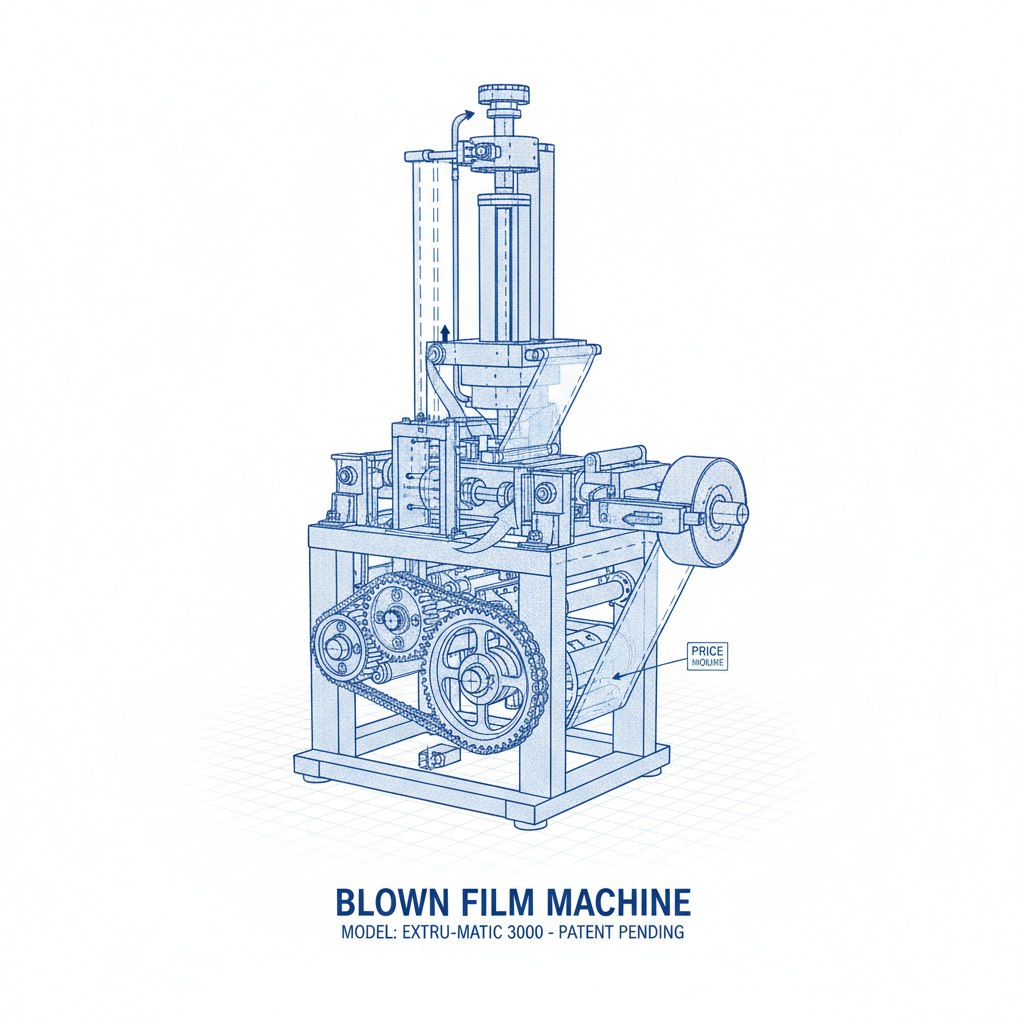
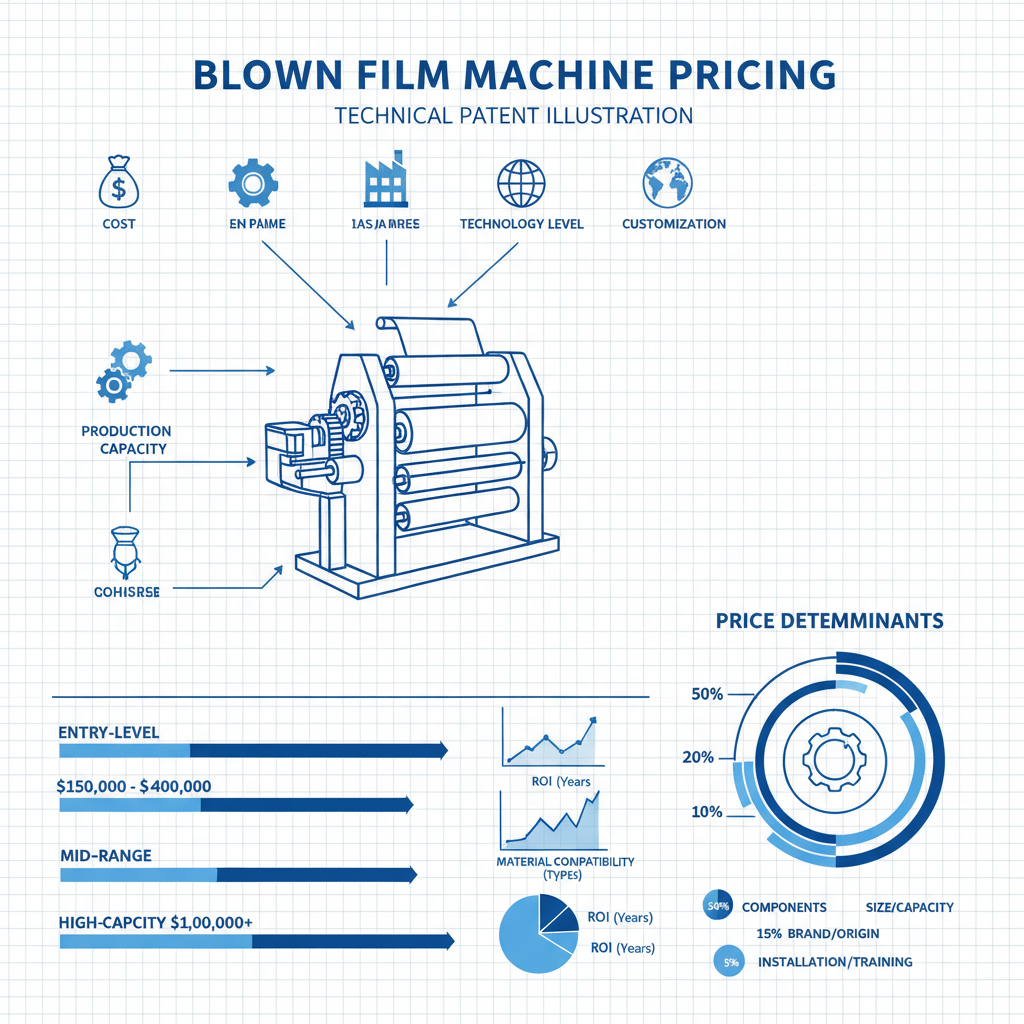
Several elements contribute to the final price tag of a blown film machine. The size of the machine, its production capacity, the level of automation, and the materials it can handle all play a role. Machines designed for larger film widths and higher output volumes naturally command higher prices. Automation features, such as automatic core loading and unloading, and automatic thickness control, also increase the investment. The complexity of the machine’s control system and the quality of its components are other important price drivers. The reputation and after-sales service offered by the manufacturer significantly influence price as well.
Key Price Drivers: Machine size, production capacity, automation level, material compatibility, control system complexity, component quality, and manufacturer reputation.
Types of Blown Film Machines and Their Price Ranges
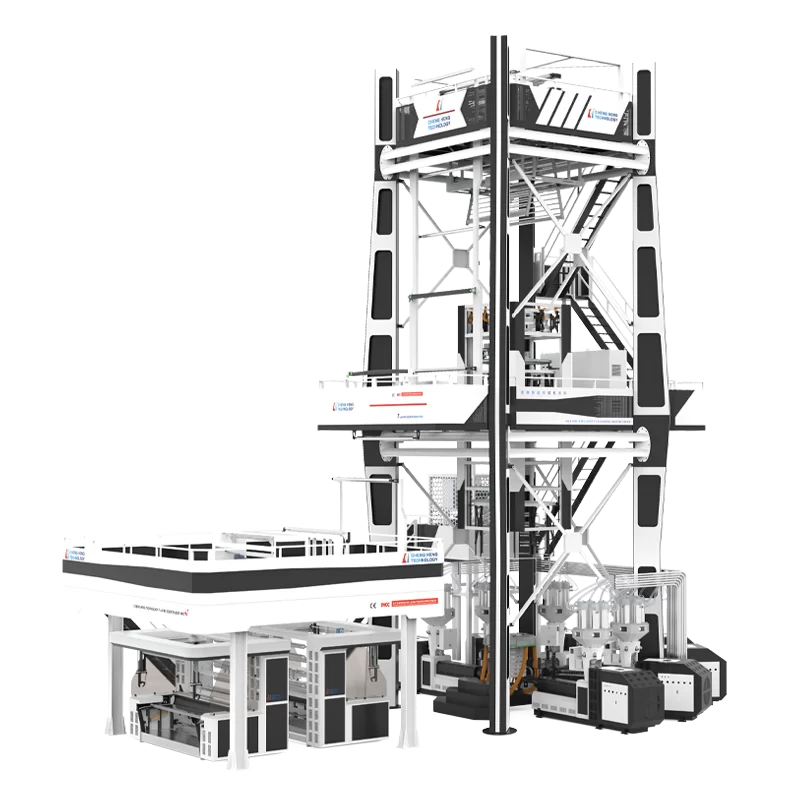
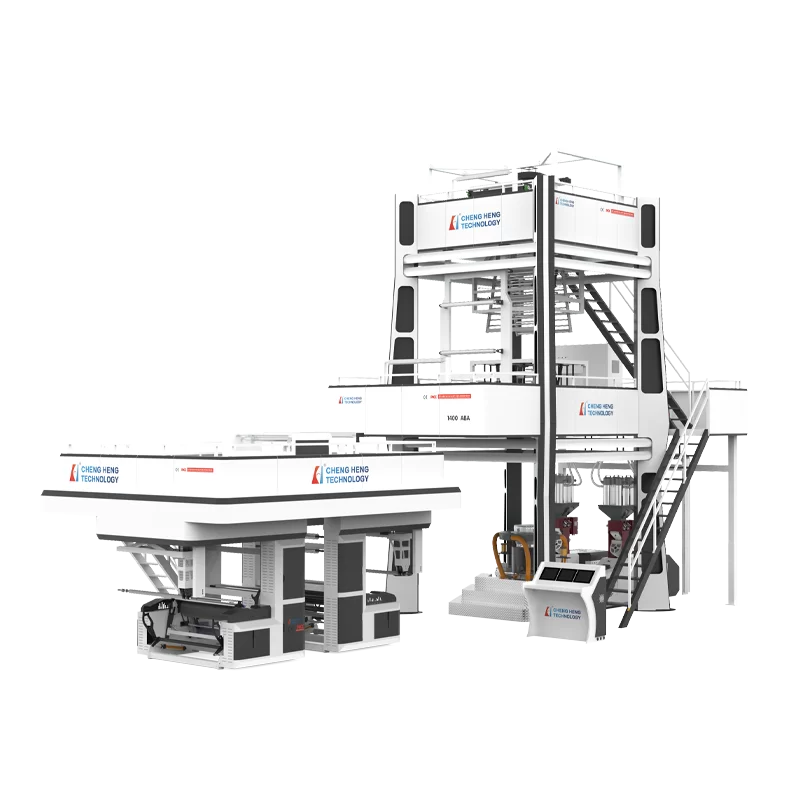
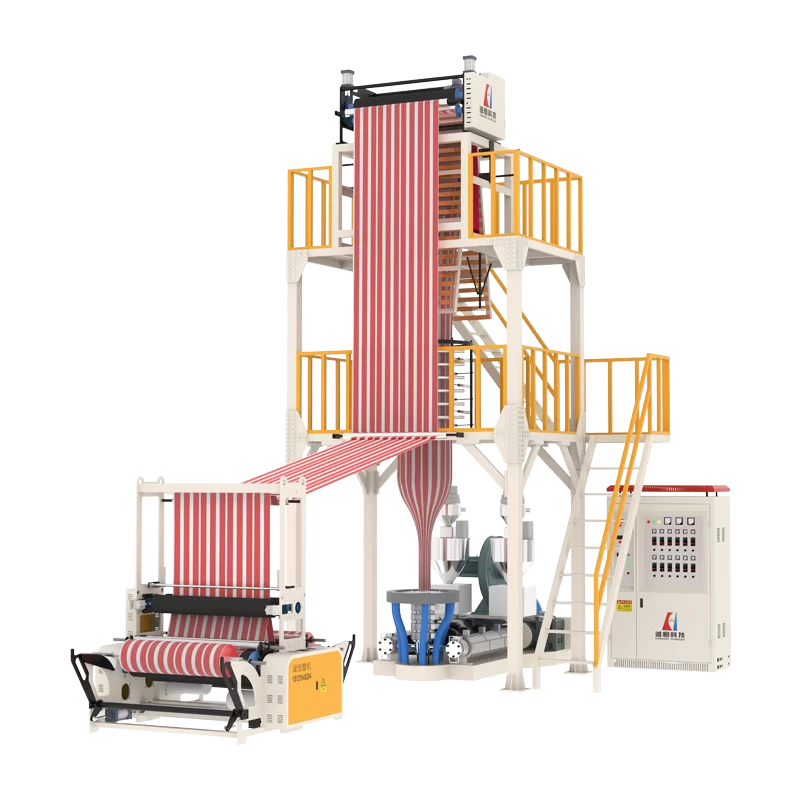
Blown film machines come in various configurations, each catering to specific needs and budgets. Generally, they can be categorized into single-layer, double-layer, and multi-layer machines. Single-layer machines are the most affordable, suitable for simpler film applications. Double-layer machines offer increased functionality and are used for films requiring barrier properties or specific performance characteristics. Multi-layer machines, capable of producing films with three or more layers, are the most expensive but offer the greatest versatility and performance. Here's a general price overview:
Key Features that Impact Blown Film Machine Price
Beyond the basic machine type, several features can significantly affect the blown film machine price. These include the die head type (single-annular, double-annular), the cooling system (air cooling, water cooling), the winding system (automatic, manual), and the control system (PLC-based, computer-controlled). Higher precision die heads, more efficient cooling systems, and fully automated winding systems all add to the cost. The control system is also critical; more sophisticated systems offer better control over film thickness, width, and other parameters.
Evaluating the Total Cost of Ownership
Don't solely focus on the initial blown film machine price. Consider the total cost of ownership, which includes installation, training, maintenance, spare parts, energy consumption, and potential downtime. A cheaper machine might require more frequent maintenance or consume more energy, leading to higher long-term costs. Choose a reputable manufacturer that offers comprehensive after-sales support, including readily available spare parts and skilled technicians.
Choosing the Right Supplier: CNC HSJ
At CNC HSJ, we understand the complexities of blown film machine investment. We offer a wide range of machines to suit diverse needs and budgets, backed by exceptional quality and reliable after-sales support. Our experienced team can help you assess your requirements, select the optimal machine configuration, and provide comprehensive training and maintenance services. We are committed to delivering long-term value and helping our customers achieve their production goals.
Conclusion: Making an Informed Investment
Choosing the right blown film machine requires careful consideration of your specific needs, budget, and long-term goals. By understanding the factors influencing price, evaluating the total cost of ownership, and partnering with a reputable supplier like CNC HSJ, you can make a smart investment that drives your business forward.
Frequently Asked Questions (FAQs)
What is the typical lead time for a blown film machine?
Lead times can vary significantly depending on the machine's complexity, the manufacturer's workload, and current market conditions. Generally, expect a lead time of 3 to 6 months for standard machines. Customized machines or those with specialized features may require longer lead times, potentially up to 9 months or more. It's essential to discuss lead times with the supplier during the initial quotation process to ensure it aligns with your project timeline.
What kind of training is offered with CNC HSJ machines?
CNC HSJ provides comprehensive training programs to ensure your operators can effectively and safely run the machines. Training can be conducted at our facility or at your location. We offer training on machine operation, maintenance, troubleshooting, and safety procedures. Our training is tailored to your specific machine model and your team's skill level. We also provide ongoing technical support and remote assistance.
What materials can be processed on a CNC HSJ blown film machine?
Our blown film machines are designed to process a wide range of thermoplastic materials, including polyethylene (PE), polypropylene (PP), polyvinyl chloride (PVC), and polyethylene terephthalate (PET). We can also customize machines to handle specialized materials based on your requirements. The choice of material will depend on the desired film properties, such as strength, clarity, and barrier performance.
How can I request a quote for a blown film machine?
You can request a quote directly through our website, www.cnchsj.com, by filling out the online inquiry form. Alternatively, you can contact our sales team via email or phone. Please provide details about your desired machine specifications, production capacity, and material requirements so we can provide an accurate and tailored quote.