Comprehensive Guide to Film Extruders Types Applications and Key Components
Understanding Film Extruders: A Comprehensive Guide
Film extruders are essential machinery in the plastics industry, responsible for producing a wide variety of plastic films used in packaging, agriculture, construction, and more. This article provides a detailed overview of film extruders, covering their types, applications, key components, and considerations for selecting the right machine. We’ll explore how CNCHSJ’s film extruders stand out in terms of innovation and performance. Understanding these machines is critical for businesses seeking efficient and high-quality plastic film production.
Types of Film Extruders
There are several types of film extruders, each suited for different applications and materials. The most common types include:
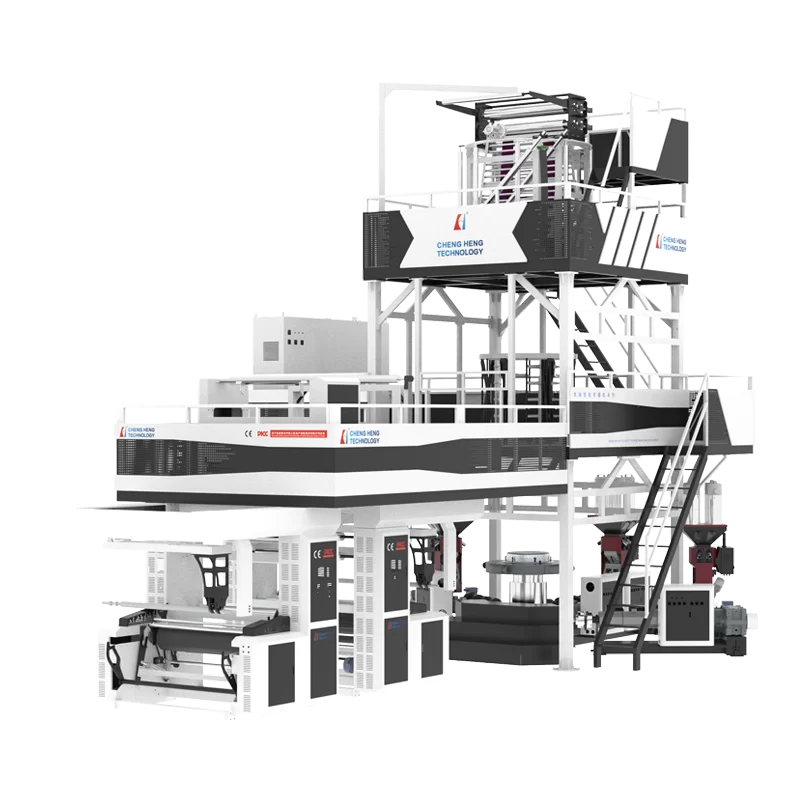
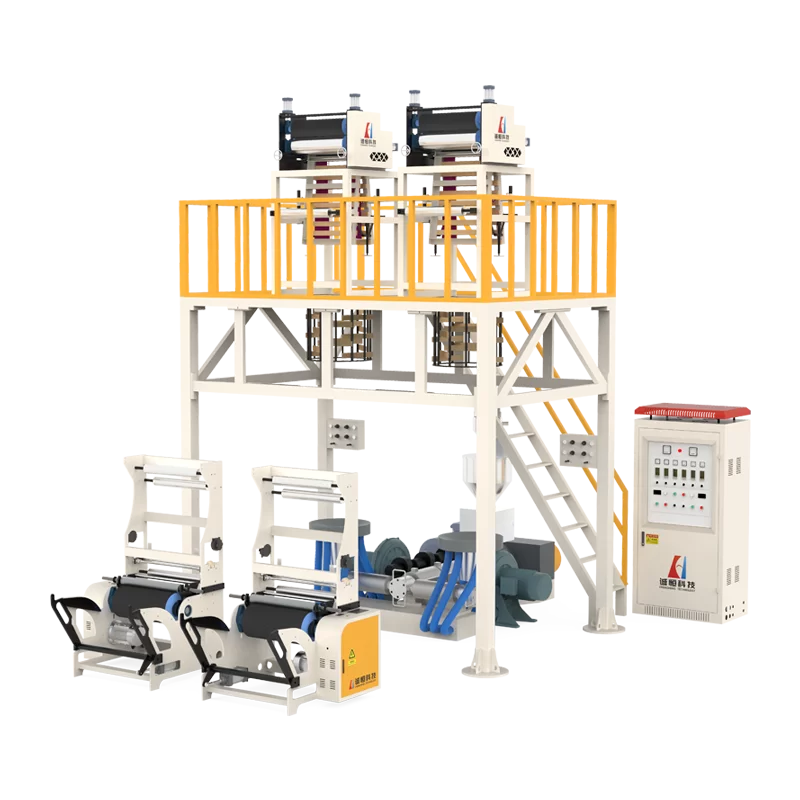
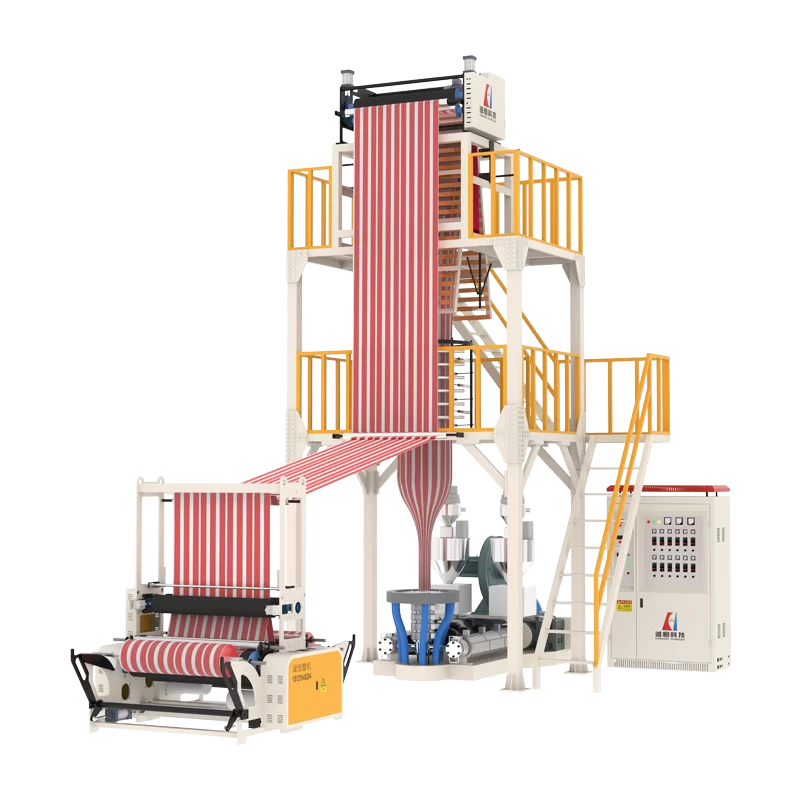
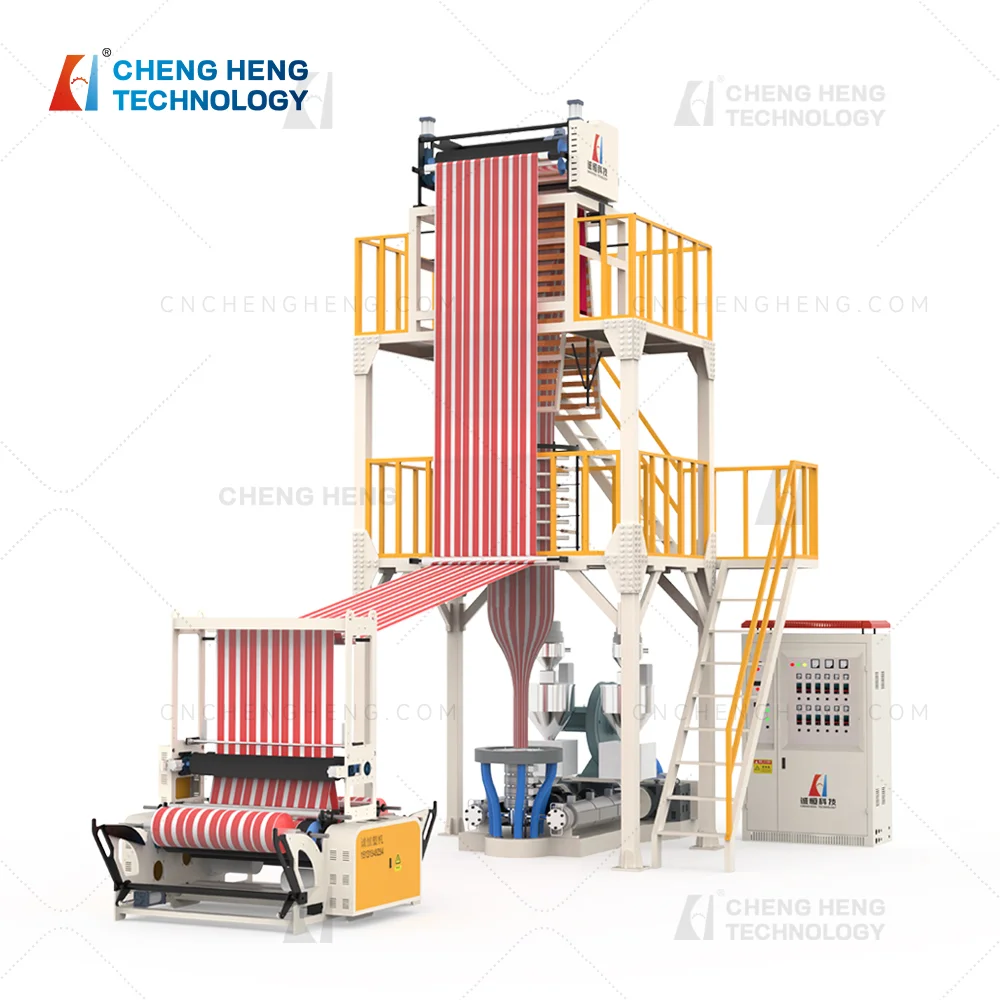
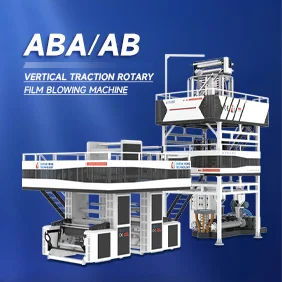
- Blown Film Extruders: These extruders produce film in a tubular form by inflating a plastic bubble. Ideal for producing films for packaging, bags, and liners.
- Cast Film Extruders: Cast film extruders extrude film onto a chilled roller, resulting in a flat film. They’re preferred for applications demanding high clarity and precise thickness control, like food packaging.
- Sheet Extruders: Designed to produce thicker films or sheets, often used for thermoforming or fabrication.
Key Components of a Film Extruder
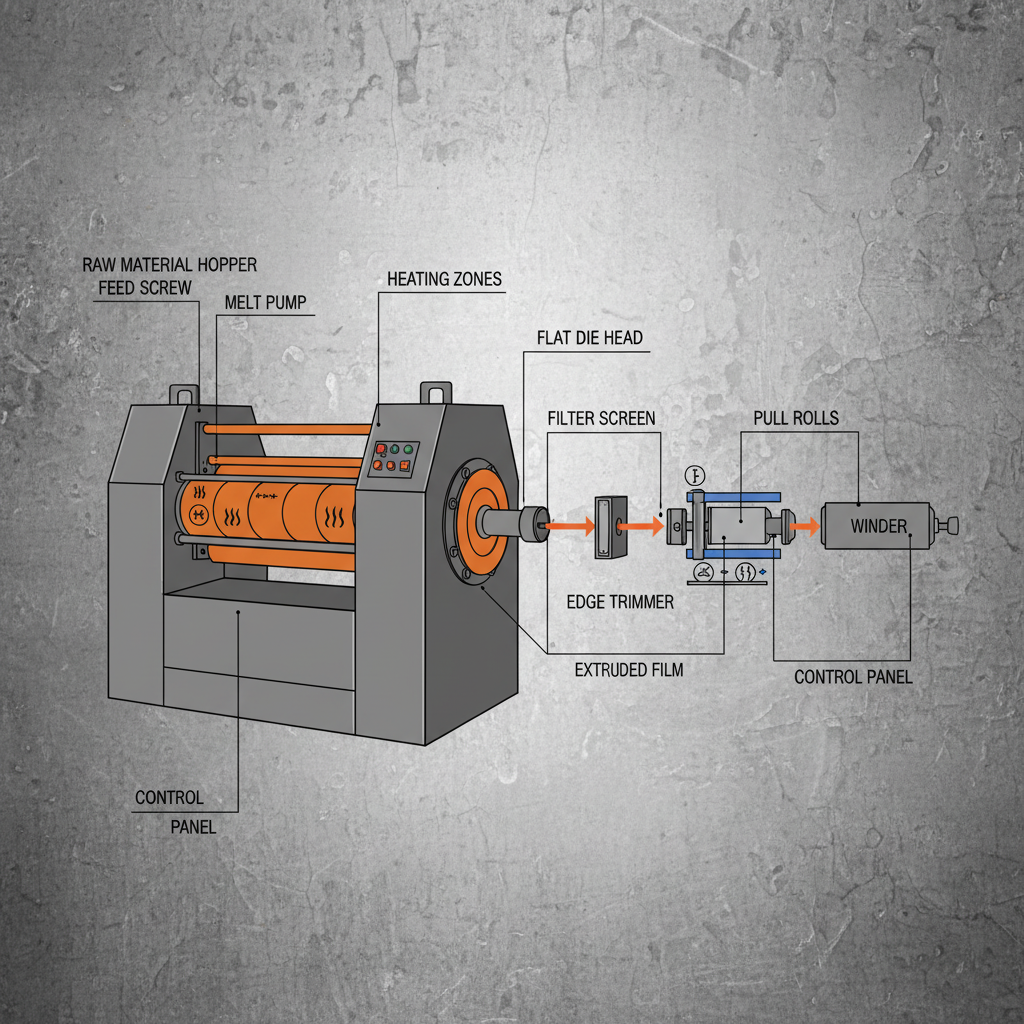
A typical film extruder consists of several key components working in unison. These include the extruder screw, barrel, die, cooling system, take-up unit, and control system. The extruder screw conveys and melts the plastic resin, while the barrel houses the screw and provides heating. The die shapes the molten plastic into the desired film. The cooling system solidifies the film, and the take-up unit winds the finished film onto a roll. A sophisticated control system manages temperature, speed, and other parameters for consistent quality. Choosing a film extruder with robust and reliable components, like those offered by CNCHSJ, is crucial for long-term efficiency.
Key Highlights: Film extruders combine multiple critical components—screws, barrels, dies, cooling, take-up, and controls—to consistently produce high-quality plastic films.
Blown Film vs. Cast Film Extrusion: A Detailed Comparison
Choosing between blown film and cast film extrusion depends on the specific application. Blown film offers higher output rates and lower tooling costs, while cast film excels in clarity, gauge control, and barrier properties. Here’s a detailed comparison:
Applications of Film Extruders
Film extruders are incredibly versatile. Common applications include:
- Packaging: Producing films for food packaging, industrial packaging, and consumer goods.
- Agriculture: Manufacturing agricultural films for greenhouses, mulching, and silage.
- Construction: Creating films for vapor barriers, roofing membranes, and geomembranes.
- Medical: Producing films for medical packaging, sterile wraps, and pouches.
Choosing the Right Film Extruder: Key Considerations
Selecting the right film extruder requires careful consideration of several factors. These include the desired film type, production volume, material compatibility, budget, and after-sales support. CNCHSJ offers a range of film extruders tailored to diverse needs, providing expert guidance and customization options to ensure optimal performance.
Conclusion: Investing in Quality Film Extrusion Technology
Final Thoughts
Investing in a high-quality film extruder is a crucial step for any business involved in plastic film production. The right machine can significantly improve efficiency, product quality, and overall profitability. CNCHSJ’s film extruders are engineered for performance, reliability, and innovation, making them a smart choice for businesses seeking a competitive edge.
Frequently Asked Questions (FAQs)
What materials can film extruders process?
Film extruders can process a wide range of thermoplastic materials, including polyethylene (PE), polypropylene (PP), polyvinyl chloride (PVC), polyethylene terephthalate (PET), and biodegradable polymers like PLA. The specific materials a particular extruder can handle depend on its screw design, barrel heating capabilities, and die configuration. CNCHSJ offers extruders designed for diverse materials, ensuring flexibility and adaptability for various production needs.
What is the typical output rate of a film extruder?
The output rate of a film extruder varies significantly based on the extruder type, material being processed, film thickness, and line speed. Blown film extruders generally have higher output rates than cast film extruders. Output rates can range from a few hundred kilograms per hour for smaller machines to several tons per hour for large, high-capacity extruders.
How much maintenance does a film extruder require?
Film extruders require regular maintenance to ensure optimal performance and longevity. This includes cleaning the extruder screw and barrel, inspecting and replacing wear parts (such as screws, dies, and heating elements), lubricating moving parts, and calibrating control systems. Preventative maintenance schedules are crucial for minimizing downtime and maximizing the extruder's lifespan.
What are the energy efficiency considerations for film extruders?
Energy consumption is a significant factor in film extrusion. Modern extruders incorporate energy-efficient features such as variable frequency drives (VFDs) for motors, optimized heating systems, and improved insulation. Selecting an extruder with energy-saving technologies can significantly reduce operating costs and minimize environmental impact. CNCHSJ focuses on designing energy-efficient film extruders.